

[W]Working Principle and Classification Application of Pneumatic Rice Handling
HeadPowder Engineering Co., Ltd., a leading provider of advanced material handling solutions, specializes in the design and implementation of pneumatic rice handling systems. This article provides an in-depth overview of the working principles and classification applications of pneumatic rice handling technology, highlighting its efficiency and versatility in modern agricultural operations.
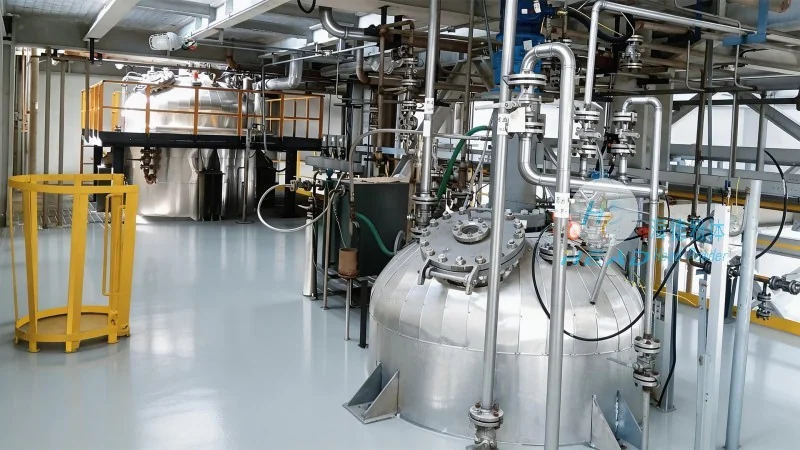
Understanding Pneumatic Rice Handling
Pneumatic rice handling utilizes air pressure to transport rice and other grains through a network of pipes and ducts. This method offers several advantages over traditional mechanical conveying systems, including reduced wear and tear on equipment, lower maintenance costs, and the ability to handle delicate materials like rice without causing damage. The core principle involves creating a pressure differential that propels the rice particles through the system using air flow.
Working Principle of Pneumatic Rice Handling
The working principle of pneumatic rice handling can be broken down into several key components. A typical system includes a hopper for material storage, a feeder to control the flow rate, a blower or compressor to generate the necessary air pressure, and a pipeline network to transport the rice. The feeder ensures a consistent flow of rice into the system, while the blower creates a vacuum or pressure that moves the rice particles. The pipeline network, often made of stainless steel or other corrosion-resistant materials, directs the rice to its destination, such as a storage silo or processing facility. The system may also include cyclones or separators to separate the rice from the air stream, ensuring clean and efficient transport.
Classification of Pneumatic Rice Handling Systems
Pneumatic rice handling systems are classified based on the type of air flow and the method of material transport. The two primary categories are suction (or vacuum) systems and pressure systems.
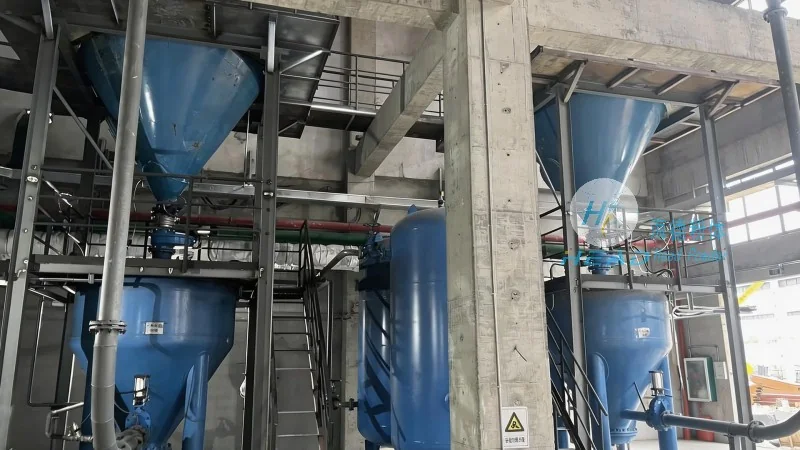
Suction (Vacuum) Systems
Suction systems use a vacuum created by a fan or blower to draw rice from a source, such as a field or storage bin, into the pipeline. These systems are ideal for applications where the rice needs to be moved from a lower elevation or over short distances. The vacuum pulls the rice particles into the pipe, and the air flow carries them to the destination. Suction systems are commonly used in on-farm operations to transfer rice from field bins to processing facilities.
Pressure Systems
Pressure systems use compressed air to push rice through the pipeline. These systems are suitable for longer distances and higher elevations, as the pressure can overcome gravity and resistance in the pipeline. The rice is fed into the pipeline at the inlet, and the compressed air forces it through the system to the outlet. Pressure systems are often used in large-scale processing plants where rice needs to be transported over significant distances or to elevated storage silos.
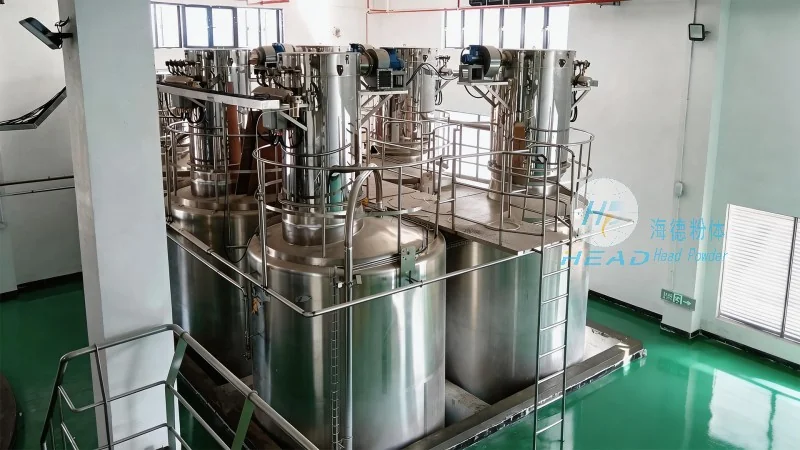
Applications of Pneumatic Rice Handling
Pneumatic rice handling is widely used in various stages of rice processing and storage. In the field, it can be used to transfer harvested rice from field bins to trucks or storage facilities. During processing, it is used to move rice through cleaning, drying, and milling operations. In storage, pneumatic systems can transfer rice from processing plants to silos or distribution centers. The versatility of pneumatic handling allows it to adapt to different operational needs, from small-scale farm operations to large industrial processing facilities.
Advantages of Pneumatic Rice Handling
Compared to traditional mechanical conveying methods, pneumatic rice handling offers several advantages. It reduces the risk of product damage due to minimal contact with equipment. The system is also more hygienic, as it prevents contamination from external sources. Additionally, pneumatic systems are more energy-efficient and can handle a wide range of rice types and sizes. The ability to control the flow rate and pressure allows for precise handling, ensuring consistent quality in the final product.
Conclusion
HeadPowder Engineering Co., Ltd. specializes in providing customized pneumatic rice handling solutions tailored to the specific needs of agricultural operations. By understanding the working principles and classification applications of pneumatic rice handling, farmers and processors can optimize their operations, improve efficiency, and enhance the quality of their rice products. With its headquarters in Shandong, China, HeadPowder Engineering Co., Ltd. leverages advanced technology and engineering expertise to deliver reliable and efficient material handling solutions for the rice industry.