

Principles and Classification Applications of Biomass Pneumatic Conveying
Understanding the fundamental principles and diverse applications of biomass pneumatic conveying is crucial for optimizing material handling processes in various industrial settings. This article provides an in-depth exploration of the mechanisms behind pneumatic conveying systems, along with their classification and practical implementations, tailored to the needs of industries dealing with biomass materials.
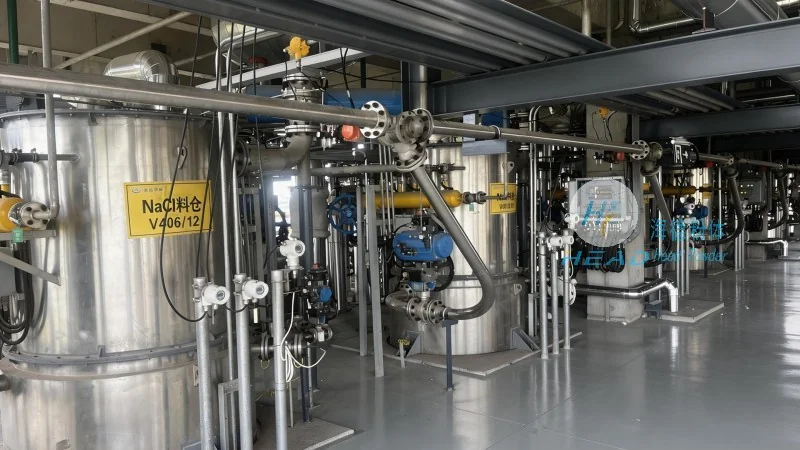
1. Basic Principles of Biomass Pneumatic Conveying
Biomass pneumatic conveying relies on the transport of solid particles, such as wood chips, pellets, or agricultural residues, through a pipeline using a gas stream, typically air. The core principle involves creating a pressure differential that propels the material forward. There are two primary modes of operation: pressure and vacuum systems. In pressure systems, a blower or compressor generates positive pressure to push the material through the pipeline. Vacuum systems, on the other hand, use a vacuum pump to create a negative pressure that draws the material into the system. The choice between these modes depends on factors like material characteristics, distance, and system complexity.
2. Classification of Biomass Pneumatic Conveying Systems
Biomass pneumatic conveying systems can be classified based on several key parameters, including the type of gas flow, particle velocity, and system pressure. The most common classifications are dilute-phase and dense-phase systems.
Dilute-phase systems operate at higher velocities, typically 20-30 meters per second, and lower pressure differentials. This mode is suitable for transporting light, free-flowing materials over longer distances with minimal pressure drop. Dense-phase systems, conversely, operate at lower velocities (5-15 meters per second) and higher pressure differentials, often using a plenum or pulse jet to maintain a higher particle concentration in the gas stream. This approach is ideal for handling cohesive or abrasive materials, as it reduces wear and prevents material degradation.
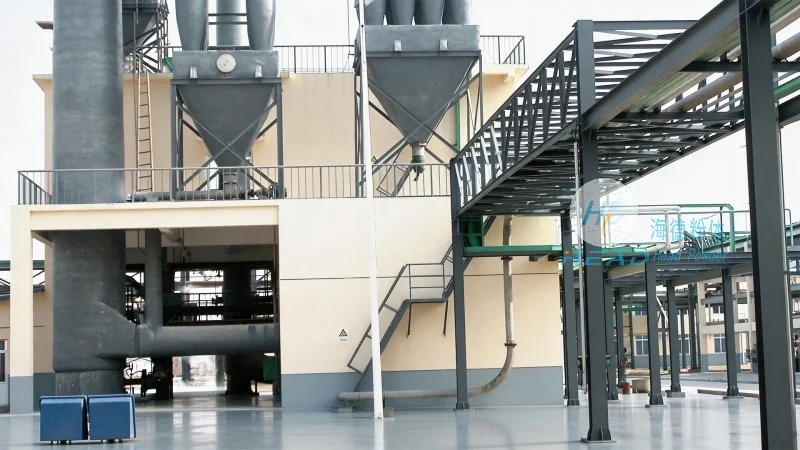
Another classification is based on the direction of gas flow relative to the material. Co-current systems have the gas and material moving in the same direction, which is effective for light materials but can cause segregation. Counter-current systems, where the gas and material move in opposite directions, are better suited for heavy or sticky materials, as they enhance mixing and prevent blockages.
3. Applications of Biomass Pneumatic Conveying
The versatility of biomass pneumatic conveying makes it applicable across multiple industries. In the bioenergy sector, it is widely used for transporting biomass feedstock to power plants, ensuring efficient and continuous fuel supply. The agricultural industry utilizes these systems for moving harvested crops, such as corn stalks or wheat straw, from fields to processing facilities. Additionally, in the manufacturing of biomass-based products, like pellets or briquettes, pneumatic conveying is essential for transporting raw materials to extrusion or compression equipment.
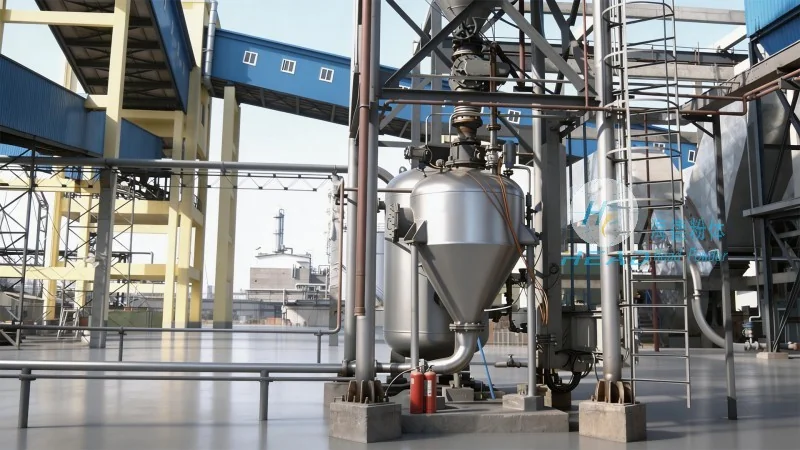
Industrial applications also include the handling of biomass in waste management and recycling processes. For instance, in municipal solid waste (MSW) facilities, pneumatic conveyors can transport organic waste to composting or gasification units. The system's ability to handle a wide range of particle sizes and moisture content makes it adaptable to various waste streams.
4. Company Overview: Shandong HeadPowder Engineering Co., Ltd.
Shandong HeadPowder Engineering Co., Ltd., commonly known as HeadPowder, is a leading provider of advanced material handling solutions, specializing in biomass pneumatic conveying systems. With a strong commitment to innovation and quality, the company has established itself as a trusted partner for industries seeking efficient and reliable biomass transport solutions. HeadPowder's expertise lies in designing customized systems that meet the unique requirements of each client, ensuring optimal performance and durability.
HeadPowder's facilities are located in Shandong, China, where the company leverages local resources and expertise to develop cutting-edge technologies. The company's team of engineers and technicians brings extensive experience in the field, enabling them to address the challenges associated with biomass handling, such as material variability and system maintenance. By focusing on customer needs and technological advancements, HeadPowder continues to enhance its product offerings and support clients in achieving their operational goals.