

Principles and Classification Applications of Malt Pneumatic Conveying
Big malt pneumatic conveying systems are integral to modern industrial processes, particularly in the malt production sector. These systems efficiently transport malt grains and other bulk materials over varying distances with minimal human intervention. The technology behind these systems combines principles of fluid dynamics, material handling, and mechanical engineering to achieve reliable, cost-effective material transport. This article explores the fundamental principles of malt pneumatic conveying, outlines the primary classification methods, and discusses practical applications within the industry.
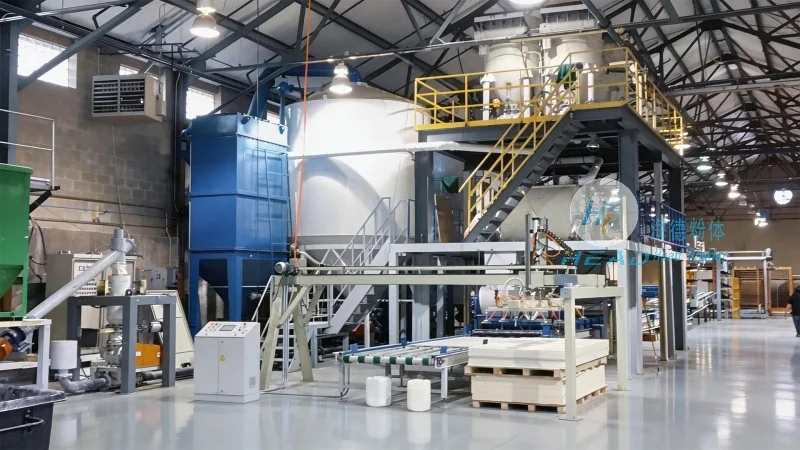
Company Introduction: Shandong HeadPowder Engineering Co., Ltd.
HeadPowder, the brand under Shandong HeadPowder Engineering Co., Ltd., specializes in the design, manufacturing, and implementation of advanced pneumatic conveying solutions tailored for the malt and related industries. With a focus on innovation and customer-centric engineering, HeadPowder delivers systems that enhance operational efficiency, reduce downtime, and ensure compliance with industry standards. The company’s headquarters is located in Shandong, China, where it leverages local expertise and resources to serve global clients.
Principles of Malt Pneumatic Conveying
Malt pneumatic conveying operates on the principle of transporting bulk materials by suspending them in a moving air stream. This method, also known as pneumatic transport, involves creating a flow of air (or other gas) that lifts and propels the malt particles through a pipeline. The core mechanics include generating sufficient air velocity to overcome gravitational forces and friction within the system. Two primary modes of operation define this process: suction (or vacuum) conveying and pressure conveying. Suction systems draw materials from a source using a vacuum pump, while pressure systems force air and material through the pipeline using a blower or compressor.
Classification of Malt Pneumatic Conveying Systems
Malt pneumatic conveying systems are broadly classified based on the air-to-material ratio and the resulting flow characteristics. The main categories include:
1. Dilute Phase Conveying
Dilute phase systems operate with a low air-to-material ratio, typically ranging from 5 to 20 times the material volume. In this mode, the malt particles are suspended in the air stream, creating a relatively low-density mixture. This method is ideal for short to medium-distance transport and is commonly used in applications where the material is light and requires minimal energy input. The system design emphasizes high air velocity to maintain particle suspension and prevent clogging.
2. Dense Phase Conveying
Dense phase systems utilize a higher air-to-material ratio, often between 1 to 5 times the material volume. Here, the material is conveyed in a more compact, slurry-like state, with particles moving in a plug flow. This mode is preferred for longer distances or when transporting delicate materials that are susceptible to abrasion or breakage. The slower air velocity reduces particle impact and friction, preserving the quality of the malt. Dense phase systems typically employ pulse or intermittent operation to control the flow and maintain consistent pressure.
Key Components and Their Functions
Effective malt pneumatic conveying relies on several critical components, each playing a specific role in the system's performance. These include:
1. Feed Hopper and Metering Valve
The feed hopper serves as the initial storage and feeding unit, holding the malt before it enters the conveying line. The metering valve regulates the flow rate of the material, ensuring a consistent and controlled feed into the system. This component is crucial for maintaining system stability and preventing overloading or underloading of the conveyor.
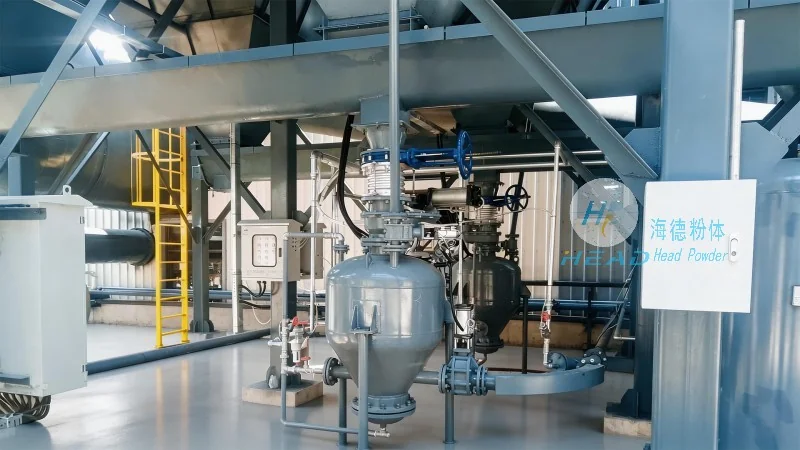
2. Air Supply Unit (Blower or Vacuum Pump)
The air supply unit generates the necessary pressure or vacuum to move the malt. In suction systems, a vacuum pump creates a negative pressure that draws the material into the pipeline. In pressure systems, a blower or compressor provides positive pressure to force the material forward. The choice of equipment depends on the system type, material characteristics, and distance of transport.
3. Conveying Pipeline
The pipeline is the primary pathway for transporting the malt. It is typically made of materials such as stainless steel, PVC, or polyethylene, chosen for their durability, resistance to corrosion, and ability to handle abrasive particles. The pipeline design, including bends, elbows, and straight sections, affects the system's efficiency and energy consumption. Proper sizing and layout are essential to minimize pressure drop and ensure smooth material flow.
4. Separation and Collection Equipment
At the receiving end, separation equipment is used to separate the malt from the air stream. This may include cyclones, filters, or dust collectors, depending on the system configuration. The separated malt is then collected in a storage bin or processing unit, while the air is either recirculated or vented to the atmosphere. This step is vital for maintaining material purity and complying with environmental regulations.
Applications in Malt Production and Processing
Malt pneumatic conveying systems find extensive applications across various stages of malt production and processing. Some key applications include:
1. Raw Material Handling
From the initial reception of raw barley to the processing of malted grains, pneumatic conveying systems efficiently move materials between storage silos, cleaning equipment, and milling machines. This ensures a continuous flow of raw materials, reducing bottlenecks and improving overall production throughput.
2. Malting and Germination Process
During the malting process, systems transport water, air, and malt grains through the germination tanks and washing stages. Pneumatic conveyors help maintain consistent moisture levels and air circulation, which are critical for optimal germination and enzyme activation.
3. Malt Drying and Conditioning
After germination, the malt is dried and conditioned. Pneumatic systems are used to move wet malt from the drying beds to the drying ovens and then to storage. This process requires systems capable of handling high moisture content and ensuring uniform drying to achieve the desired malt quality.
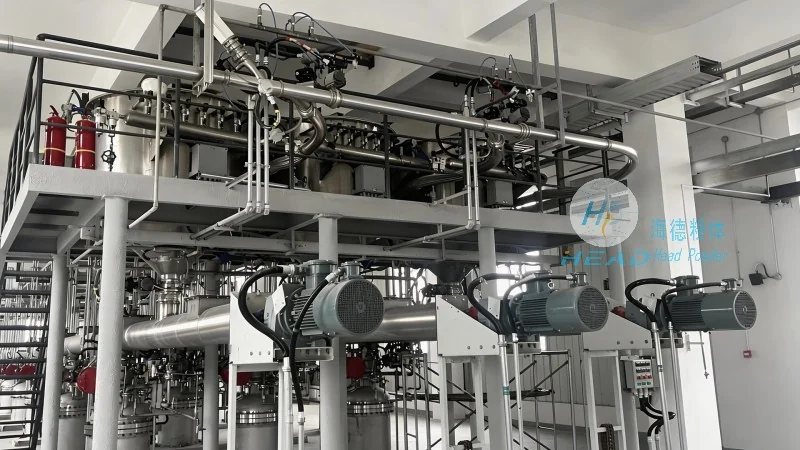
4. Product Packaging and Distribution
In the final stages, pneumatic conveyors transport finished malt products from storage silos to packaging lines. This ensures that the product reaches the packaging equipment without manual handling, maintaining hygiene standards and reducing product contamination.
Advantages of Malt Pneumatic Conveying
Compared to traditional mechanical conveying methods, malt pneumatic conveying offers several advantages that make it a preferred choice in the industry:
1. Reduced Downtime and Maintenance
Pneumatic systems have fewer moving parts compared to belt or screw conveyors, resulting in lower maintenance requirements and reduced downtime. The absence of mechanical components like belts or chains minimizes the risk of wear and tear, leading to longer system lifespans.
2. Improved Material Quality
By minimizing physical contact and abrasion, pneumatic conveying preserves the quality of the malt. This is particularly important for delicate malt varieties that are prone to breakage or loss of enzymatic activity. The gentle handling reduces product degradation and maintains consistent quality throughout the process.
3. Enhanced Hygiene and Safety
Pneumatic systems are enclosed, preventing dust and particles from escaping into the environment. This improves workplace safety and compliance with health regulations. Additionally, the enclosed design reduces the risk of contamination from external sources, ensuring the product remains clean and safe for consumption.
4. Energy Efficiency and Cost Savings
Modern pneumatic conveying systems are designed to optimize energy usage, reducing operational costs. By using appropriate air-to-material ratios and system configurations, companies can achieve significant energy savings compared to traditional methods. The reduced need for manual labor and maintenance further contributes to overall cost efficiency.
Conclusion
Malt pneumatic conveying is a sophisticated and efficient method for transporting bulk materials in the malt industry. By understanding the underlying principles, classification systems, and key components, industry professionals can select and implement the most suitable solutions for their specific needs. Companies like Shandong HeadPowder Engineering Co., Ltd. continue to advance this technology, providing tailored solutions that enhance productivity, quality, and sustainability in malt production. As the industry evolves, the role of pneumatic conveying systems will remain critical in meeting the demands of modern malt processing and distribution.