

Principles and Classification Applications of Peanut Kernels Pneumatic Conveying
HeadPowder, a leading engineering firm based in Shandong, China, specializes in the design and implementation of pneumatic conveying systems for various bulk materials, including peanut kernels. This article provides an in-depth exploration of the fundamental principles behind pneumatic conveying technology and its diverse classification applications in industrial settings.
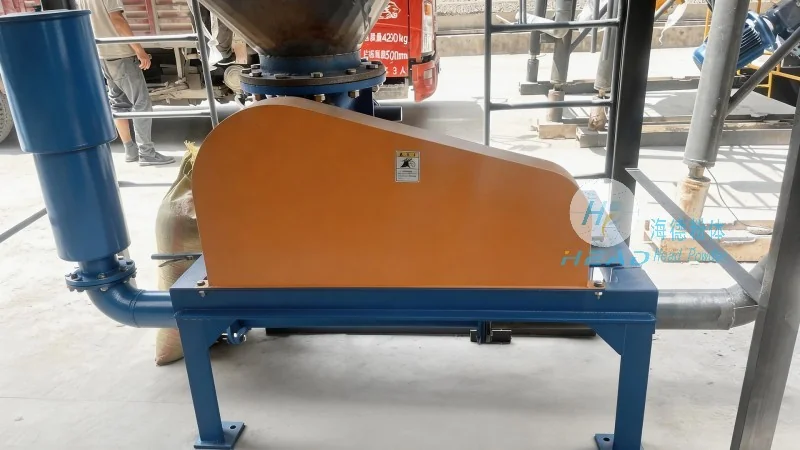
Pneumatic conveying, also known as air conveying, is a method of transporting bulk materials like peanut kernels through a pipeline using a stream of air. The process relies on the principles of fluid dynamics to move particles by either positive pressure (where air is forced into the system) or negative pressure (where air is drawn out, creating a vacuum). For peanut kernels, which are relatively light and have a certain size and shape, selecting the appropriate pneumatic conveying system is crucial for efficiency and material integrity.
One of the primary principles of pneumatic conveying is the balance between air velocity and particle velocity. The air velocity must be sufficient to lift and transport the peanut kernels without causing excessive wear on the system components or damaging the kernels. This balance is achieved through careful calculation of the system's design parameters, including the pipeline diameter, air flow rate, and pressure differentials. HeadPowder engineers employ advanced computational fluid dynamics (CFD) and material testing to optimize these parameters for each specific application.
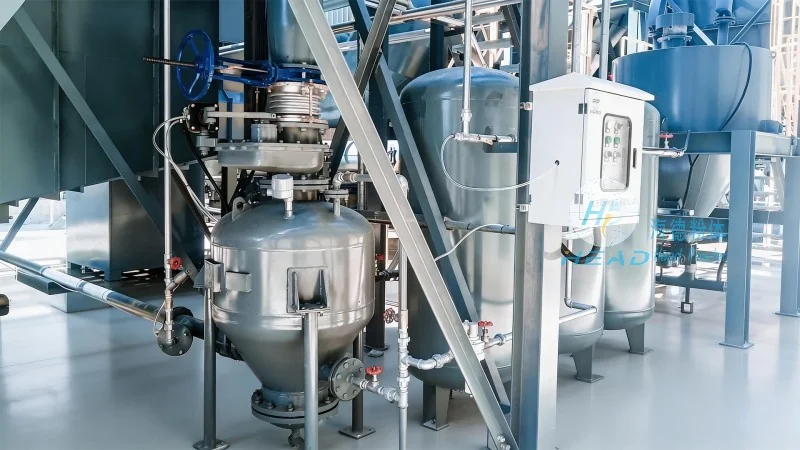
There are two main classifications of pneumatic conveying systems: dilute-phase and dense-phase. Dilute-phase systems operate at higher air velocities, typically transporting particles in a dispersed state, similar to a cloud of dust. This method is suitable for transporting peanut kernels over short to medium distances and is often used in processing facilities where speed and simplicity are prioritized. Dense-phase systems, on the other hand, operate at lower air velocities and higher pressure, moving particles in a more concentrated stream, often with a slurry-like consistency. This approach is ideal for long-distance transport or when maintaining the quality of the peanut kernels is critical, as it reduces the risk of attrition and degradation.
Another key classification is based on the pressure differential within the system. Positive pressure systems use compressed air to push the material through the pipeline, while negative pressure systems use vacuum to pull the material. Positive pressure systems are commonly used for transporting peanut kernels from a storage silo to a processing plant, as they can handle longer distances and are less susceptible to external air infiltration. Negative pressure systems, however, are preferred for applications where dust control is paramount, such as in food processing environments, as they prevent the release of fine particles into the atmosphere.
HeadPowder's expertise lies in customizing pneumatic conveying solutions tailored to the unique characteristics of peanut kernels. The company's engineers consider factors such as kernel size, moisture content, and desired processing outcomes when designing a system. For example, in a peanut processing facility, a dense-phase positive pressure system might be employed to transport kernels from a hopper to a roasting machine, ensuring minimal breakage and consistent quality. Conversely, a dilute-phase negative pressure system could be used for cleaning or transferring peanut shells, where the focus is on efficient material separation rather than product preservation.
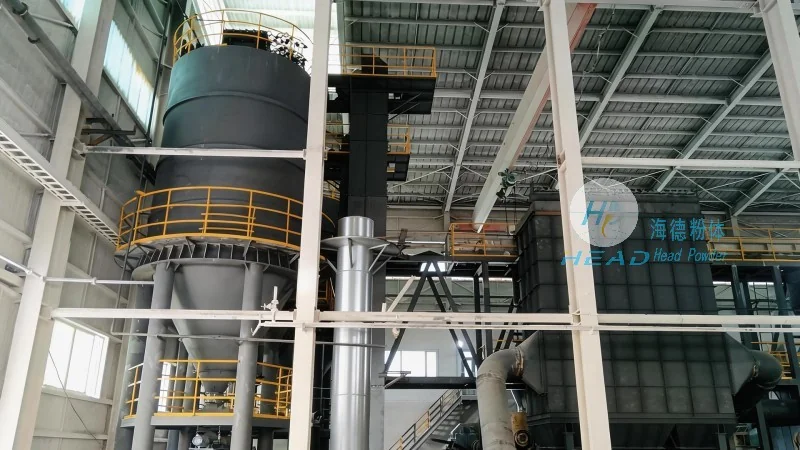
Applications of pneumatic conveying for peanut kernels span multiple stages of the supply chain. In agricultural settings, pneumatic systems are used to transfer harvested peanuts from field bins to storage silos, reducing manual labor and minimizing spoilage. During processing, these systems efficiently move kernels through cleaning, sorting, and roasting operations. In the final stages, pneumatic conveying is utilized to transport roasted peanuts to packaging lines or to distribution centers, ensuring a seamless flow from farm to consumer.
When selecting a pneumatic conveying system for peanut kernels, several factors must be evaluated to ensure optimal performance. The first consideration is the distance and elevation change between the source and destination. Longer distances or significant vertical lifts may require more powerful compressors or additional boosters in the system. The second factor is the material's physical properties, including particle size distribution, bulk density, and abrasiveness. Peanut kernels vary in size and shape, and their density can affect how they behave in the conveying system. HeadPowder conducts thorough material analysis to determine the appropriate system configuration.
Energy efficiency is another critical aspect of pneumatic conveying system design. Modern systems incorporate energy-saving features such as variable frequency drives (VFDs) to adjust air flow rates based on demand, reducing operational costs. Additionally, the use of high-efficiency filters and cyclones in the system helps minimize air loss and maintain consistent pressure levels, further improving overall efficiency.
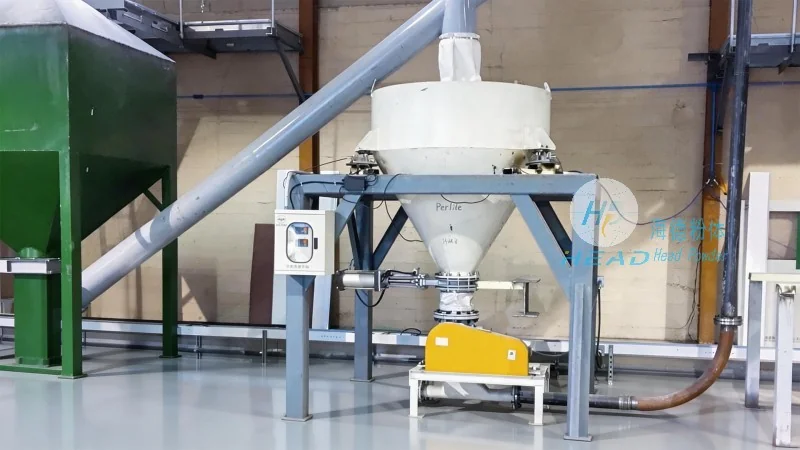
HeadPowder's commitment to quality and innovation is reflected in its approach to pneumatic conveying technology. The company works closely with clients to understand their specific needs and provides comprehensive solutions that include system design, installation, and ongoing maintenance. By leveraging advanced engineering principles and industry best practices, HeadPowder ensures that its pneumatic conveying systems for peanut kernels are reliable, durable, and tailored to meet the demands of modern food processing operations.
As a trusted partner in the bulk material handling industry, HeadPowder continues to advance the application of pneumatic conveying technology for peanut kernels and other agricultural products. The company's expertise in system optimization and material handling ensures that clients receive efficient, cost-effective solutions that enhance productivity and product quality. With a focus on innovation and customer satisfaction, HeadPowder remains at the forefront of pneumatic conveying solutions for the food processing sector.