

Principles and Classification Applications of Glucose Pneumatic Conveying
Glucose, a vital carbohydrate widely used in pharmaceuticals, food processing, and chemical industries, often requires efficient and reliable material handling solutions. Pneumatic conveying, a technology that uses air or gas to transport bulk materials like glucose, offers a flexible and effective method for moving this product. This article explores the fundamental principles of glucose pneumatic conveying, its classification into different systems, and practical applications across various industries.
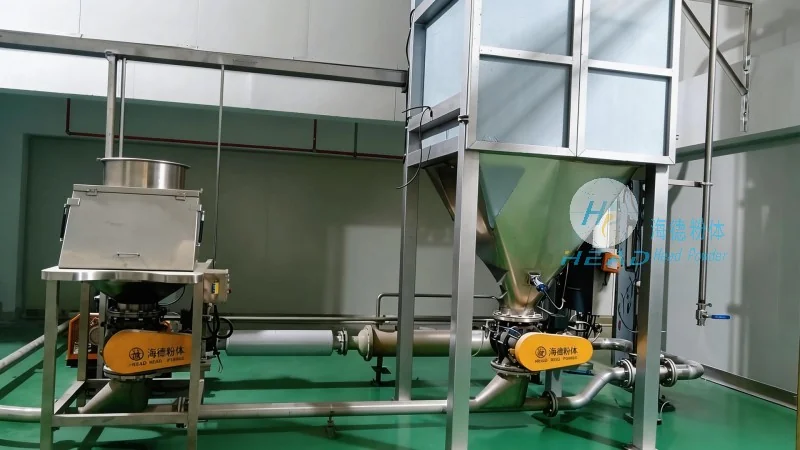
Basic Principles of Pneumatic Conveying for Glucose
The core principle of pneumatic conveying involves the movement of solid particles (in this case, glucose) suspended in a stream of air or gas. The process relies on the differential pressure created by the moving air to transport the material from a source to a destination. Two primary mechanisms are commonly employed: air suction (or aspirating) systems and air pressure (or positive pressure) systems. In suction systems, a vacuum is generated at the material inlet to draw the glucose into the conveying line, while pressure systems use compressed air to push the material forward. The choice between these systems depends on factors such as the distance of transport, the volume of material, and the physical properties of the glucose, including its particle size, moisture content, and tendency to agglomerate.
Classification of Glucose Pneumatic Conveying Systems
Glucose pneumatic conveying systems are typically classified based on the pressure differentials and the direction of material flow. The main categories include:
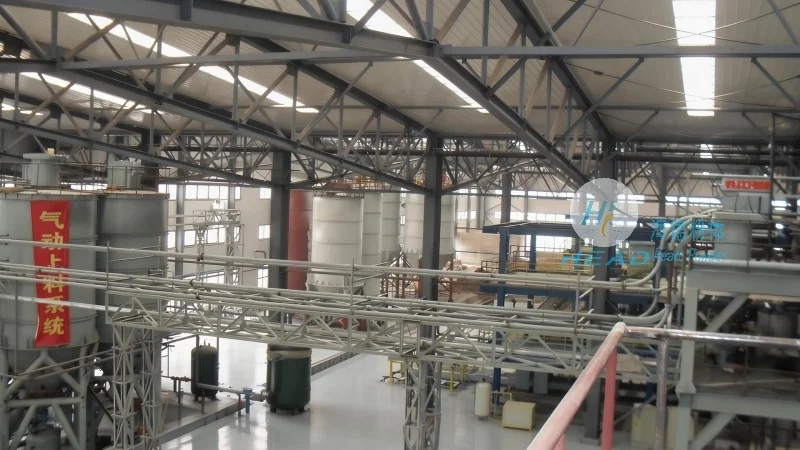
- Air Suction (Aspirating) Systems: These systems operate under negative pressure, drawing glucose from a hopper or storage silo into the conveying line. They are ideal for short to medium distances and are commonly used when the material is to be transported from a low-level source to a higher destination, such as from a warehouse to a processing plant. The suction method minimizes the risk of material spillage and is suitable for handling glucose that may be prone to dust generation or caking.
- Air Pressure (Positive Pressure) Systems: In contrast, pressure systems use positive pressure to push the glucose through the conveying line. They are more suitable for longer distances and can handle higher material loads. These systems are often preferred when the material needs to be transported from a high-level source to a lower destination, or when the conveying line requires multiple branches or bends. Pressure systems are also effective for handling glucose with higher moisture content or larger particle sizes, as the higher air velocity helps maintain particle suspension.
- Combined Systems: Some applications may involve a combination of both suction and pressure elements, such as in a closed-loop system where the material is first drawn into a hopper and then pressurized for further transport. This hybrid approach allows for greater flexibility in handling varying material conditions and transport requirements.
Key Factors Influencing Glucose Pneumatic Conveying Performance
The efficiency and effectiveness of glucose pneumatic conveying depend on several critical factors. The physical properties of the glucose, such as particle size distribution, bulk density, and moisture content, directly impact the conveying velocity and system design. For example, fine glucose particles may require higher air velocities to prevent settling or clogging in the line, while larger particles can be conveyed at lower velocities. The moisture content of the glucose is particularly important, as high moisture levels can lead to agglomeration, which may obstruct the conveying line. Proper drying or conditioning of the glucose before conveying can mitigate this issue. Additionally, the design of the conveying line, including the number and type of bends, the size of the ducts, and the presence of filters or cyclones, plays a crucial role in maintaining system performance and preventing material degradation.
Applications of Glucose Pneumatic Conveying in Different Industries
Glucose pneumatic conveying is widely applied across various industries due to its ability to handle the material efficiently and hygienically. In the pharmaceutical industry, for example, the conveying of glucose is often required for the production of glucose syrups, oral solutions, and other medicinal products. The systems must meet stringent hygiene standards, with materials constructed from stainless steel and equipped with sanitary fittings to prevent contamination. In the food processing industry, glucose is used as a sweetener and preservative in beverages, baked goods, and confectionery products. The pneumatic conveying systems used here are designed to maintain product quality and prevent cross-contamination with other ingredients. The chemical industry also utilizes glucose pneumatic conveying for the production of glucose derivatives, such as glucose syrup and high-fructose corn syrup, where the material may be processed under controlled conditions to ensure consistent quality.
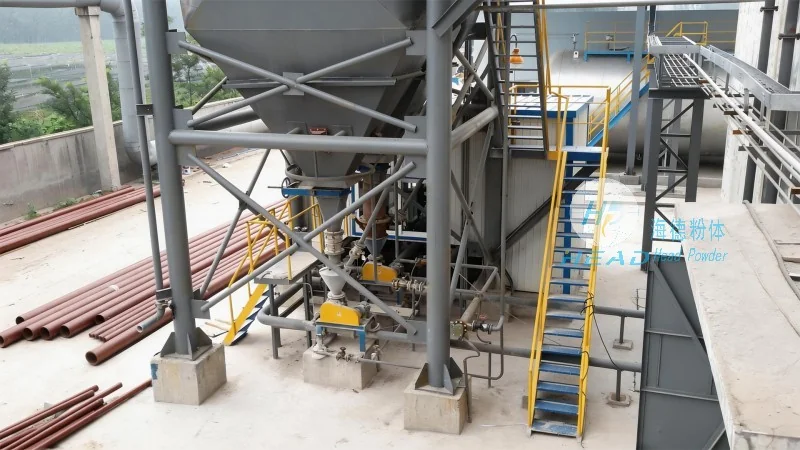
Case Study: Implementing Glucose Pneumatic Conveying in a Food Processing Plant
Shandong HeadPowder Engineering Co., Ltd. (headpowder), a leading provider of material handling solutions, recently completed a project for a food processing plant in China. The plant required an efficient system to transport glucose from storage silos to a production line for the manufacturing of glucose-based beverages. The existing system involved manual handling, which was labor-intensive and prone to contamination. HeadPowder designed and installed a positive pressure pneumatic conveying system tailored to the plant's needs. The system included a stainless steel hopper, a rotary airlock feeder, and a conveying line with multiple bends and a cyclone separator. The air velocity was optimized to handle the fine glucose particles, ensuring smooth transport without clogging. The system reduced material handling time by 60% and improved product quality by minimizing dust and agglomeration. This case study highlights the effectiveness of glucose pneumatic conveying in improving operational efficiency and product quality in food processing applications.
Conclusion and Future Trends
Glucose pneumatic conveying is a reliable and versatile technology for handling this essential carbohydrate in various industrial applications. By understanding the fundamental principles and classification of pneumatic conveying systems, industries can select the most appropriate method to meet their specific requirements. As technology advances, there is a growing emphasis on energy efficiency and sustainability in material handling systems. Future developments may include the integration of automation and control systems to optimize air usage and reduce energy consumption. Additionally, the use of advanced materials and design techniques may further enhance the performance and durability of glucose pneumatic conveying systems. For industries dealing with glucose, investing in a well-designed pneumatic conveying system can lead to improved productivity, reduced operational costs, and enhanced product quality.