

Calcite Pneumatic Conveying: Working Principles and Classification Applications
Calcite, a common calcium carbonate mineral, is widely used in various industrial applications such as construction materials, pharmaceuticals, and chemical manufacturing. The efficient and reliable transport of calcite powder from one location to another is crucial for maintaining production efficiency and minimizing operational costs. Pneumatic conveying systems offer a versatile solution for handling calcite powders, providing advantages like dust-free operation, reduced material degradation, and the ability to transport materials over long distances without the need for complex infrastructure. This article explores the fundamental working principles of calcite pneumatic conveying systems, along with an overview of the different classification applications and their practical implementations.
Working Principles of Pneumatic Conveying for Calcite
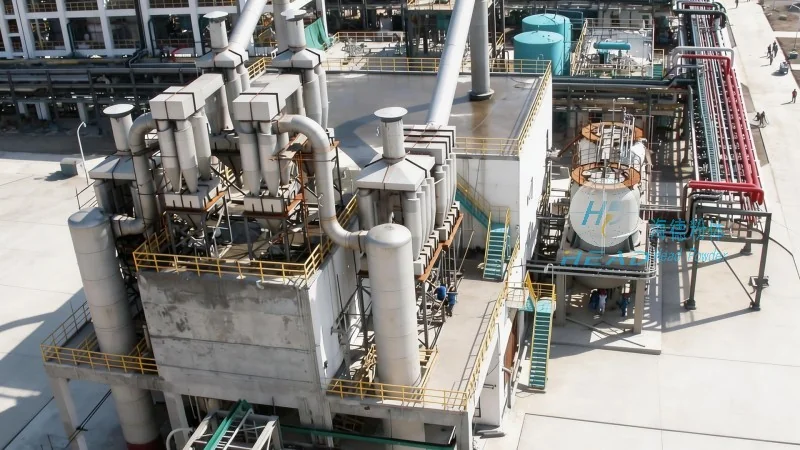
The core mechanism of pneumatic conveying involves the use of air or other gases to transport particulate materials like calcite through a pipeline. There are primarily two types of pneumatic conveying systems: pressure and vacuum systems. In pressure systems, air is compressed and introduced at the discharge end of the pipeline, pushing the calcite particles forward. Conversely, vacuum systems create a negative pressure at the inlet, drawing the material into the pipeline. The selection of a specific system depends on factors such as the distance to be covered, the material's properties (e.g., particle size, density, and moisture content), and the required flow rate. For calcite, which typically consists of fine particles, pressure systems are often preferred due to their ability to handle high flow rates and maintain consistent material transport. The process begins with the calcite material being fed into a hopper or feeder, where it is then introduced into the conveying line. A blower or compressor generates the necessary air pressure, and the calcite particles are entrained by the moving air stream. As the particles travel through the pipeline, they are separated from the air at the receiving end using a separator or cyclone, allowing the calcite to be deposited in the desired location. This method ensures a clean and efficient transfer of calcite, minimizing the risk of contamination and material loss.
Classification of Pneumatic Conveying Applications for Calcite
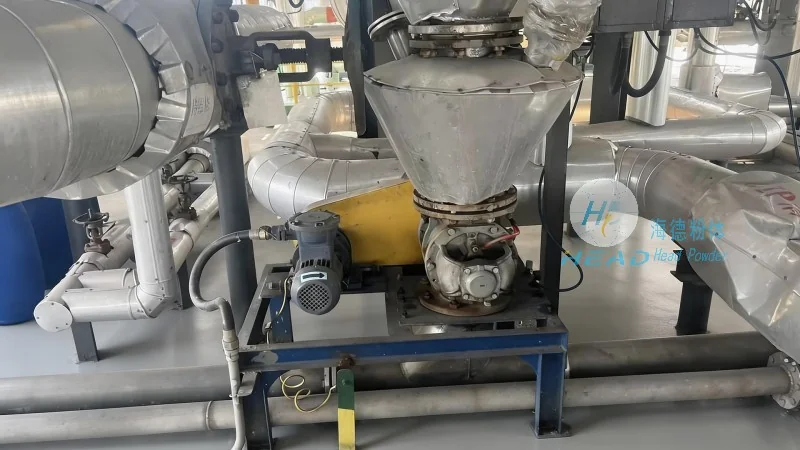
Pneumatic conveying systems for calcite can be classified based on several criteria, including the conveying distance, the type of system (pressure or vacuum), and the specific industrial application. Short-distance conveying systems are commonly used in applications where the calcite is transported within a facility, such as from a storage silo to a processing unit. These systems typically use low-pressure air and are suitable for handling small volumes of material. For longer distances, high-pressure systems are employed, which can transport calcite over several hundred meters or even kilometers. These systems require more robust equipment, including high-capacity blowers and larger diameter pipelines, to maintain the necessary air pressure and prevent material deposition or blockages. Another classification is based on the method of material introduction: dilute-phase and dense-phase conveying. Dilute-phase systems operate at low material-to-air ratios, where the calcite particles are suspended in the air stream, resulting in high flow rates and minimal pressure drop. This is ideal for short-distance transport of fine calcite powders. Dense-phase systems, on the other hand, operate at higher material concentrations, where the calcite particles form a slurry-like mixture with the air. This method is preferred for long-distance transport, as it reduces the risk of material segregation and blockages, ensuring a stable and consistent flow. Additionally, the classification can be based on the application itself, such as bulk material handling in mining operations, pharmaceutical processing, or construction material production. In mining, pneumatic conveying is used to transport calcite from ore processing plants to storage facilities, while in pharmaceuticals, it is employed to move calcite powders for drug formulation. The choice of system and classification depends on the specific requirements of the calcite application, ensuring optimal performance and efficiency.
Practical Implementation and Considerations
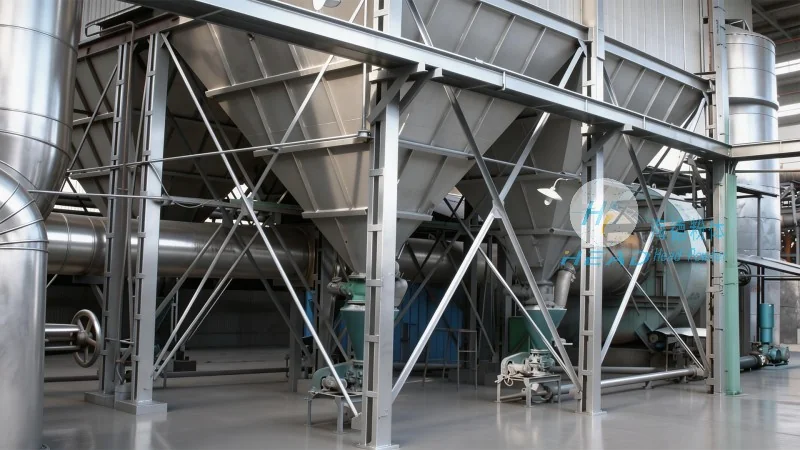
When implementing a pneumatic conveying system for calcite, several factors must be carefully considered to ensure optimal performance and longevity. The first consideration is the material's properties, as calcite's particle size, density, and moisture content directly impact the system's design. Fine calcite powders require more efficient air flow and may necessitate the use of high-pressure systems to prevent clogging. The pipeline design is another critical aspect, as the diameter and length of the pipeline affect the pressure drop and material transport efficiency. Properly sized pipelines minimize energy consumption and maintain consistent material flow. Additionally, the use of appropriate equipment, such as high-quality blowers, feeders, and separators, is essential to handle the calcite's characteristics effectively. Regular maintenance and monitoring of the system are also crucial to prevent issues like blockages, wear, and degradation of the calcite particles. By addressing these considerations, industrial facilities can achieve reliable and efficient calcite transport, reducing operational costs and improving overall productivity. The implementation of a well-designed pneumatic conveying system not only enhances the efficiency of calcite handling but also contributes to a safer and more sustainable industrial operation.
About Shandong HeadPowder Engineering Co., Ltd.
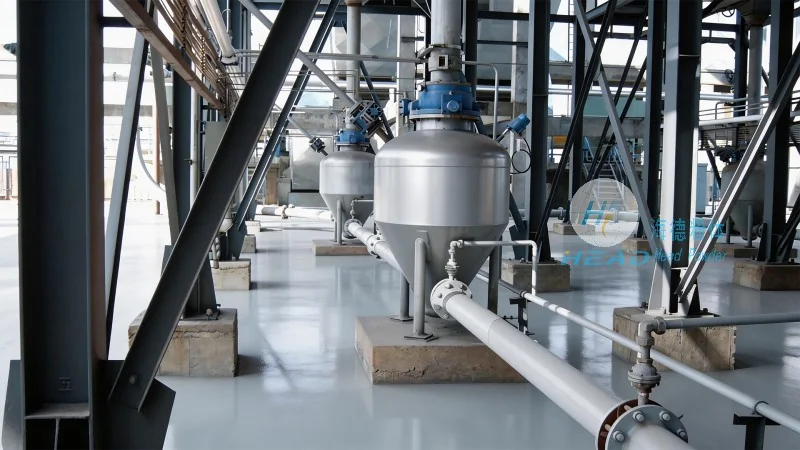
Shandong HeadPowder Engineering Co., Ltd., commonly known as headpowder, is a leading provider of engineering solutions for material handling and processing. With a focus on innovative technologies and customer-centric approaches, the company specializes in designing and manufacturing pneumatic conveying systems tailored to the unique needs of various industries. Headpowder's expertise lies in understanding the specific requirements of materials like calcite, ensuring that their systems are optimized for efficient and reliable transport. The company's headquarters is located in Shandong, China, where it operates a state-of-the-art facility dedicated to research, development, and production. By combining advanced engineering knowledge with practical experience, headpowder delivers high-quality solutions that meet the stringent standards of modern industrial applications. Whether for short-distance or long-distance calcite transport, headpowder's pneumatic conveying systems offer a reliable and efficient solution, helping clients achieve their operational goals while maintaining safety and sustainability.