

Positive Pressure and Negative Pressure Conveying of Solid Powders: A Comparative Analysis of Two Pn
In the industrial material handling field, pneumatic conveying technology is an efficient and flexible solution for solid powder transportation. Positive pressure conveying and negative pressure conveying are two mainstream pneumatic conveying methods, each with unique advantages and application scenarios. This article delves into the working principles, technical characteristics of these two conveying methods, and compares their differences in solid powder transportation to help users choose the most suitable conveying system based on actual needs.
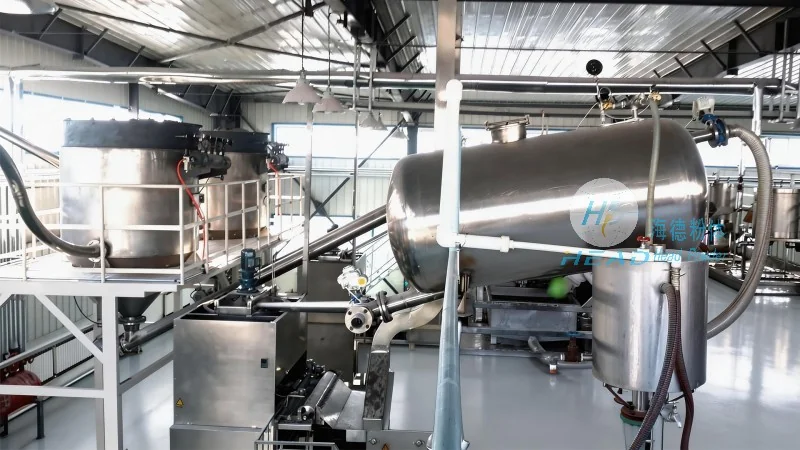
Positive Pressure Conveying System: Working Principle and Characteristics
The positive pressure conveying system maintains an air pressure higher than the ambient pressure inside the conveying pipeline, transporting solid powders from the feeding point to the receiving point. The system typically consists of a feeder, conveying pipeline, separator, fan, and control system. When the fan sends compressed air into the pipeline, the air pressure pushes powder particles along with the air flow. The advantages of positive pressure conveying include longer conveying distances, higher conveying capacity, and good system sealing to prevent dust leakage. Additionally, the positive pressure system usually uses closed pipelines, suitable for transporting flammable, explosive, or environmentally sensitive powders. For example, in the chemical, food, and pharmaceutical industries, positive pressure conveying is often used to transport activated carbon, flour, or pharmaceutical powders, ensuring the material remains pure and stable during transportation.
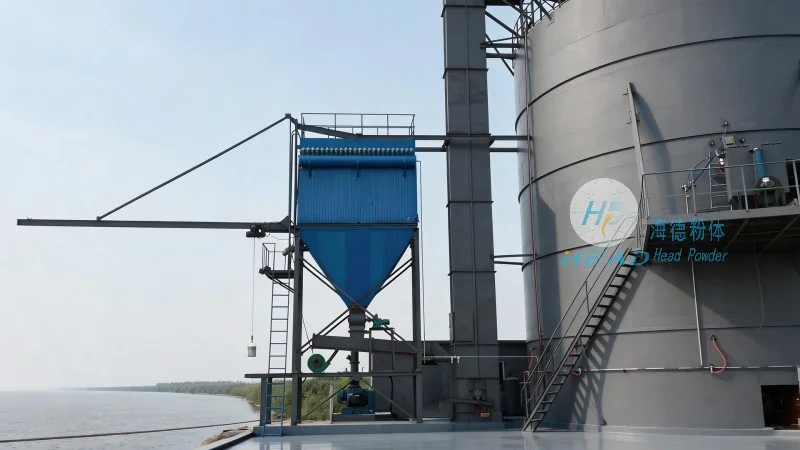
Negative Pressure Conveying System: Working Principle and Characteristics
The negative pressure conveying system maintains an air pressure lower than the ambient pressure inside the conveying pipeline, using negative pressure to draw solid powders from the feeding point into the pipeline and transport them to the receiving point. The system typically includes a feeder, conveying pipeline, separator, fan, and dust hood. When the fan extracts air from the pipeline end, a negative pressure is formed inside the pipeline, drawing powder particles into the air flow. The advantages of negative pressure conveying are minimal environmental impact, as the system usually operates in open or semi-open environments, suitable for transporting powders with less dust or lower environmental requirements. Additionally, the negative pressure system has a relatively simple structure with lower installation and maintenance costs. However, the conveying distance of negative pressure conveying is usually shorter (typically within hundreds of meters) and the conveying capacity is limited, and it is easily affected by external air flow. For example, in the mining, construction, and agricultural fields, negative pressure conveying is often used to transport ore, cement, or grains, suitable for short-distance or local material transfer.
Key Differences Between Positive and Negative Pressure Conveying
There are significant differences between positive pressure and negative pressure conveying in multiple aspects, which directly affect their applicability in different scenarios. First, the pressure difference is the core distinction: the positive pressure system maintains air pressure higher than atmospheric pressure, while the negative pressure system maintains pressure lower than atmospheric pressure. This leads to the positive pressure system requiring more powerful fans and sealing systems to maintain stable pressure; the negative pressure system is more dependent on negative pressure suction with relatively lower fan power requirements. Second, in terms of conveying distance and capacity, positive pressure conveying can achieve longer conveying distances (up to several kilometers) and higher conveying capacity (up to hundreds of tons per hour), suitable for large-scale industrial production; negative pressure conveying is suitable for short-distance conveying (usually within hundreds of meters) and lower conveying volume. Third, environmental impact: the positive pressure system, due to its closed pipeline, can effectively control dust leakage and is environmentally friendly; the negative pressure system, operating in open environments, may cause some dust diffusion and requires additional dust removal measures. Fourth, system complexity and cost: the positive pressure system has a higher initial investment due to the need for high-pressure sealing and complex control, but the operating and maintenance costs are relatively stable; the negative pressure system has a lower initial investment but may require more frequent maintenance and dust removal equipment. Fifth, material adaptability: the positive pressure system is suitable for transporting agglomerating, flammable, or environmentally sensitive powders, while the negative pressure system is more suitable for transporting loose, dry materials. For example, positive pressure conveying is often used in the pharmaceutical industry to transport active pharmaceutical ingredients (API) to ensure purity and safety; negative pressure conveying is used in the agricultural field to transport grains, keeping the material dry and clean.
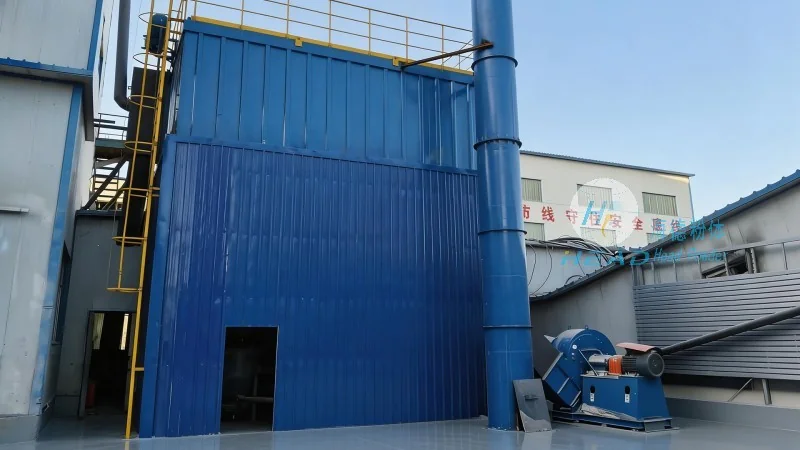
Choosing the Right Conveying Method: Considerations and Recommendations
When choosing a positive or negative pressure conveying system, users need to consider multiple factors to ensure the system operates efficiently and reliably. First, conveying distance and capacity are key factors. For long-distance, large-volume applications, positive pressure conveying is usually the better choice as it provides higher pressure and larger conveying capacity. For short-distance, small-volume applications, negative pressure conveying may be more economical and simple. Second, material characteristics are an important consideration. If the material is prone to agglomeration, flammable, or environmentally sensitive, the closed system of positive pressure conveying is more suitable; if the material is loose and dry and has lower environmental requirements, negative pressure conveying may be more applicable. Third, environmental factors cannot be ignored. If the system needs to strictly prevent dust leakage, the sealed pipeline of positive pressure conveying is ideal; if the environment allows some dust diffusion, the open structure of negative pressure conveying may be more appropriate. Fourth, system cost and operating maintenance are also decision factors. The positive pressure system has a higher initial investment but lower operating and maintenance costs; the negative pressure system has a lower initial investment but may require more dust removal and maintenance work. Fifth, safety requirements: for flammable or explosive materials, the positive pressure system usually equips explosion-proof fans and sealing measures to ensure safety; the negative pressure system may require additional safety measures such as dust hoods and ventilation systems. In practical applications, many users choose hybrid systems, for example, using positive pressure conveying for long-distance material transport and negative pressure conveying at the end to reduce costs. For instance, a chemical company may use positive pressure conveying to transport raw materials from the warehouse to the reactor, and then use negative pressure conveying to transport the post-reaction powder to the packaging equipment to optimize overall conveying efficiency.