

Comparison of Positive Pressure and Negative Pressure Conveying for Sodium Hydroxide Powder: A Compa
Pneumatic conveying is a widely used method for transporting bulk materials like sodium hydroxide powder. This process involves using air or other gases to move the material through a pipeline system. For sodium hydroxide, which is a highly reactive and hygroscopic chemical, the choice of conveying method is critical to ensure safety, efficiency, and product integrity. Two primary methods are commonly employed: positive pressure conveying and negative pressure conveying. This article provides a detailed comparison of these two approaches, highlighting their mechanisms, advantages, and potential drawbacks.
Positive Pressure Conveying: The Advantages and Applications
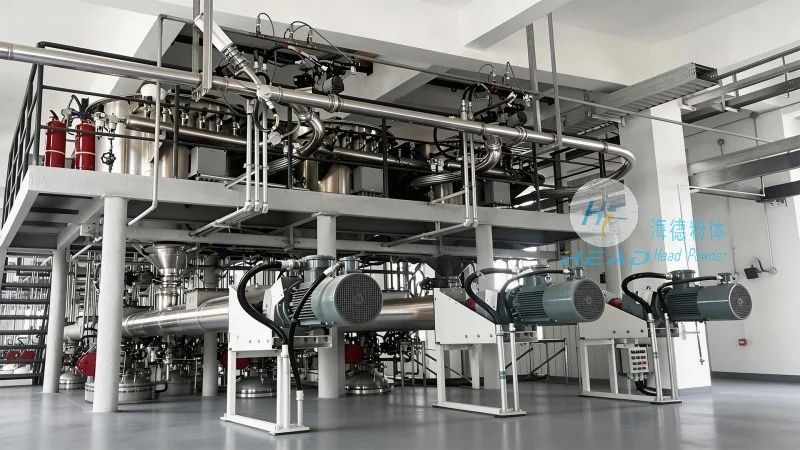
Positive pressure conveying, also known as pressure pneumatic conveying, operates by blowing air or a gas mixture into the material stream, creating a pressure differential that propels the powder forward. In this system, the conveying line is under positive pressure, typically maintained by a blower or compressor at the inlet. This method is particularly effective for transporting sodium hydroxide powder over long distances or through complex networked pipelines. The primary benefits of positive pressure systems include high conveying capacity, the ability to handle abrasive or sticky materials, and the option to integrate with other process equipment such as mixers or reactors. For example, in industrial settings where sodium hydroxide is used in chemical synthesis or water treatment, positive pressure conveying can ensure consistent flow rates and minimize material degradation. However, it is important to note that positive pressure systems require robust sealing and explosion-proof designs due to the presence of pressurized air, which can pose safety risks if not properly managed.
Negative Pressure Conveying: The Mechanisms and Limitations
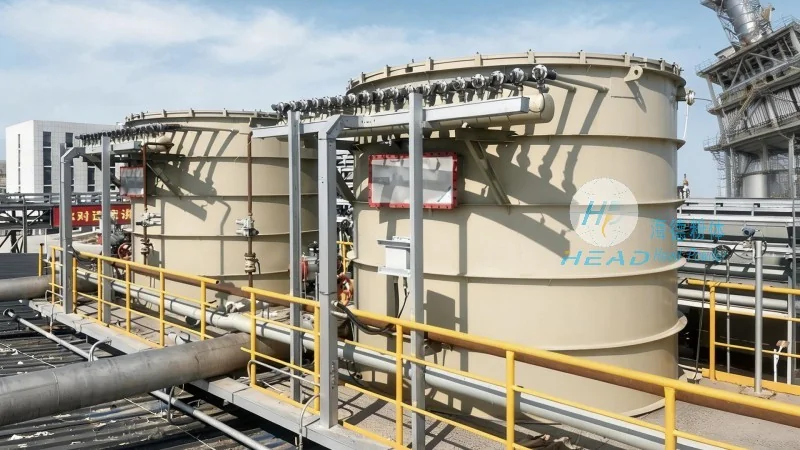
Negative pressure conveying, or vacuum pneumatic conveying, works by creating a vacuum at the receiving end of the pipeline, drawing the sodium hydroxide powder into the system. The material is then transported by the suction created by a vacuum pump or fan. This method is often preferred for short-distance conveying or when the material needs to be transferred from a storage silo or hopper to a processing unit. The key advantages of negative pressure systems include lower energy consumption compared to positive pressure systems, as they do not require high-pressure blowers. Additionally, they are generally safer for handling dust and can be more cost-effective for smaller-scale operations. However, negative pressure conveying has limitations, such as lower conveying capacity and the risk of material degradation due to longer residence times in the pipeline. For sodium hydroxide, which is sensitive to moisture and temperature changes, negative pressure systems may not be suitable for long-distance transport, as the vacuum can cause the powder to absorb moisture from the air, affecting its quality.
Comparative Analysis: Positive vs. Negative Pressure Conveying
When comparing positive and negative pressure conveying for sodium hydroxide powder, several factors must be considered. The choice of method depends on the specific application, distance of transport, material characteristics, and safety requirements. Positive pressure systems excel in scenarios requiring high throughput and long-distance transport, making them ideal for large-scale industrial operations. They offer better control over flow rates and can handle more challenging materials, such as those with high moisture content or abrasive properties. On the other hand, negative pressure systems are more suitable for short-distance conveying, where energy efficiency and safety are prioritized. They are often used in laboratory or small-scale production settings where the risk of dust explosion is lower. Another critical consideration is the impact on product quality. Positive pressure systems can maintain higher temperatures and reduce moisture absorption, which is beneficial for preserving the chemical properties of sodium hydroxide. In contrast, negative pressure systems may lead to moisture uptake, potentially altering the powder's reactivity and shelf life. From an operational perspective, positive pressure systems require more maintenance due to the higher wear on components like blowers and seals, whereas negative pressure systems have simpler vacuum pump systems but may need more frequent cleaning to prevent clogging from fine particles.
About Shandong HeadPowder Engineering Co., Ltd.
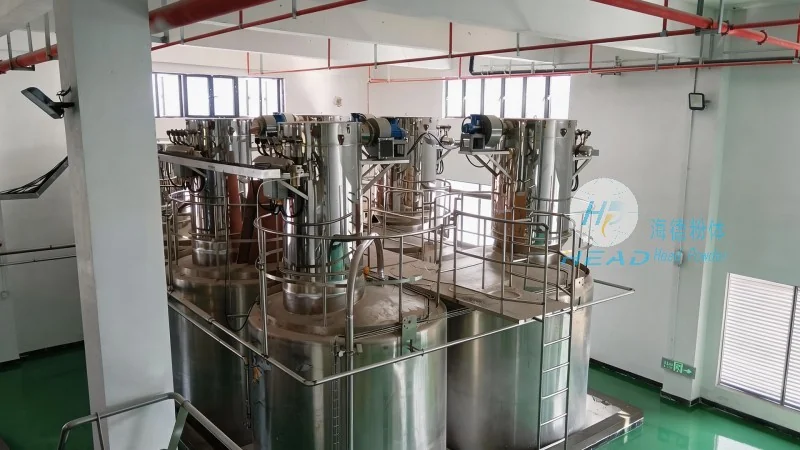
Shandong HeadPowder Engineering Co., Ltd., commonly known as headpowder, is a leading provider of specialized engineering solutions for bulk material handling, including pneumatic conveying systems. With headquarters in Shandong, China, the company has extensive experience in designing and manufacturing custom conveying solutions tailored to the unique needs of industries such as chemical manufacturing, food processing, and pharmaceuticals. HeadPowder specializes in delivering reliable and efficient systems for transporting materials like sodium hydroxide powder, ensuring compliance with safety standards and optimizing process efficiency. The company's expertise in positive and negative pressure conveying technologies allows it to offer comprehensive solutions that address the specific challenges of each application, from material handling to process integration. By leveraging advanced engineering and quality control, headpowder ensures that its systems meet the highest industry standards, providing long-term performance and durability for its clients.