

Positive Pressure and Negative Pressure Conveying of Catalyst Powders: A Comparative Analysis of Two
In the chemical and pharmaceutical industries, the efficient and safe conveying of catalyst powders is a critical aspect of production processes. Pneumatic conveying technology is favored for handling fragile, high-purity, or corrosive powder materials due to its ability to transport them without direct contact with mechanical components. This article delves into two mainstream pneumatic conveying methods—positive pressure conveying and negative pressure conveying—and compares their advantages and disadvantages when transporting catalyst powders, to help industry users select the most suitable conveying solution.
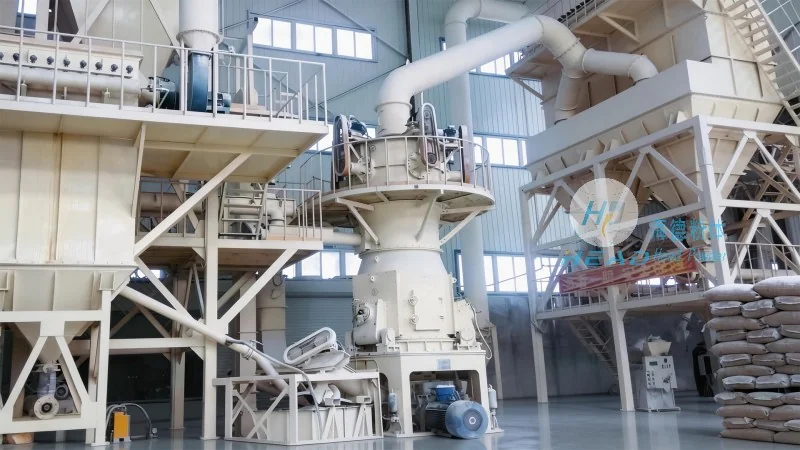
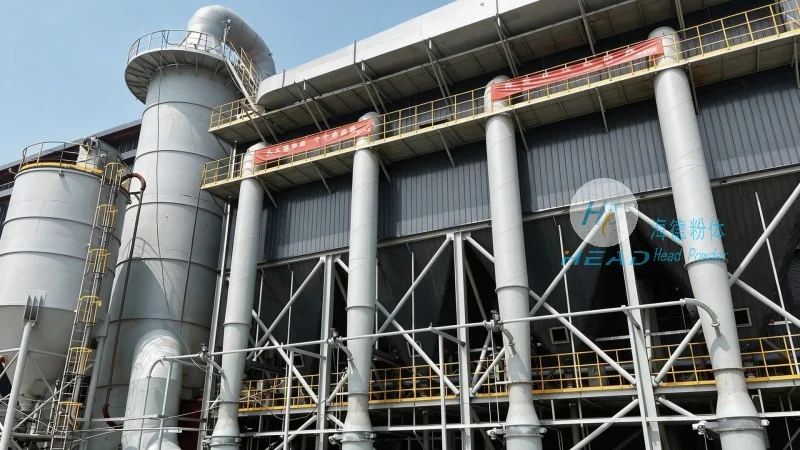
Positive Pressure Conveying: High-Pressure Airflow Driven Transport
Positive pressure systems push powder materials through pipelines by maintaining an air pressure higher than the ambient environment. Typically using compressed air or inert gases as the conveying medium, these systems move materials from the feed point to the receiving point. For high-value, easily contaminated catalyst powders, positive pressure conveying offers significant benefits. First, the stable air pressure in positive systems ensures materials remain suspended during transport, reducing friction between the material and pipeline walls and minimizing the risk of material breakage or agglomeration. Second, the closed pipeline system effectively prevents dust leakage, protecting operators and the environment. Additionally, positive pressure systems have lower requirements for humidity control, suitable for transporting dry catalyst powders.
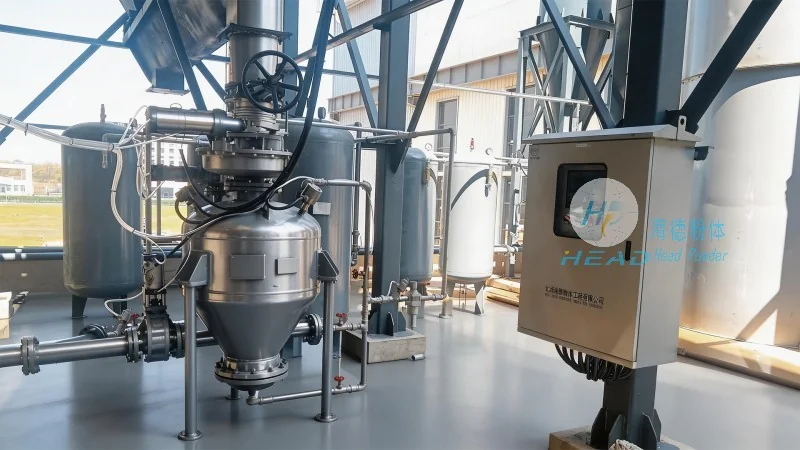
Negative Pressure Conveying: Suction Driven Transport
Negative pressure systems, in contrast, draw materials into pipelines using the suction of external air by maintaining a pressure lower than the ambient environment. Unlike positive systems, negative pressure typically operates in open or semi-open environments, collecting materials from multiple dispersed feed points and then concentrating them for transport. For certain catalyst powders, negative pressure may be more appropriate. For example, when materials need to be collected from multiple dispersed feed points, negative systems offer flexibility. Another advantage of negative pressure is lower energy consumption, as it does not require high-pressure airflow for the entire pipeline system. However, negative pressure systems have higher requirements for dust control, as the negative pressure state can cause dust leakage if seals are poor, affecting the operating environment. Furthermore, negative pressure conveying may be more sensitive to material moisture, with high humidity potentially causing pipeline blockages or material adhesion.
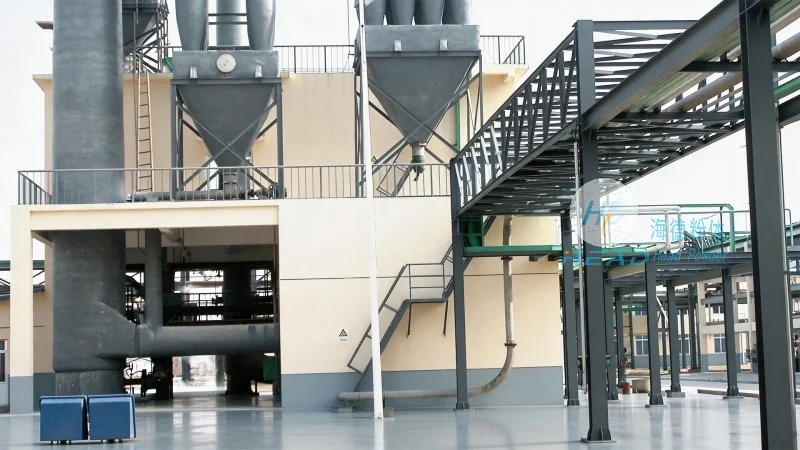
Comparison Analysis of Positive and Negative Pressure Conveying
When comparing positive and negative pressure conveying, multiple key factors must be considered, including material properties, conveying distance, system cost, and operating environment. For high-purity, fragile catalyst powders, positive pressure conveying is generally more advantageous. The high-pressure airflow in positive systems ensures stable transport, reducing breakage, while the closed system effectively prevents contamination. In contrast, negative pressure conveying, though energy-efficient, may lack sufficient dust control and material protection capabilities for high-value materials. Additionally, equipment investment and maintenance costs for positive pressure systems are typically higher than for negative systems, but the total cost of ownership may be more favorable in the long run due to low material loss and high system efficiency. For long-distance conveying scenarios, the high-pressure airflow in positive pressure systems can more effectively overcome pipeline resistance, whereas negative pressure systems may require more complex pipeline design and higher fan power. In practical applications, the choice between positive and negative pressure conveying depends on specific production needs, such as material physical properties, conveying distance, system budget, and operational requirements. Shandong HeadPowder Engineering Co., Ltd., a professional engineering company based in Shandong, China, has extensive experience in the design, manufacturing, and installation of catalyst powder conveying systems. It can provide customized positive or negative pressure conveying solutions according to customer needs, ensuring the safe, efficient, and reliable transport of materials.