

Comparison of Positive Pressure and Negative Pressure Conveying for Zinc Oxide
When it comes to transporting zinc oxide, selecting the right pneumatic conveying method is crucial for efficiency, cost-effectiveness, and operational safety. Two primary approaches dominate the industry: positive pressure conveying and negative pressure conveying. This article provides a detailed comparison of these two methods, focusing on their applications, advantages, and considerations for the transportation of zinc oxide, a critical material in various industrial processes. HeadPowder, a leading provider of material handling solutions, specializes in designing and implementing these systems to meet the unique demands of zinc oxide transportation.
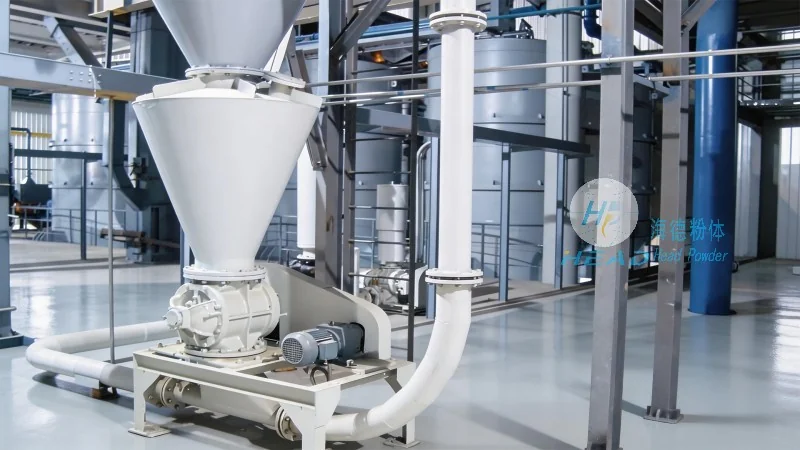
Introduction to Pneumatic Conveying Methods
Pneumatic conveying systems use air or gas to move bulk materials like zinc oxide through a pipeline. The choice between positive and negative pressure systems depends on factors such as material characteristics, distance, and the need for containment. Understanding the differences between these two approaches is essential for optimizing material handling in industrial settings.
Positive Pressure Conveying of Zinc Oxide
Positive pressure conveying involves blowing air or gas into the conveying line, creating a pressure higher than the ambient air pressure. This method is commonly used for transporting zinc oxide over longer distances or in systems where the material is sensitive to moisture or contamination. The high-pressure air forces the material through the pipeline, ensuring consistent flow and minimal particle degradation. HeadPowder, with its expertise in material handling, has developed advanced positive pressure systems tailored to the specific requirements of zinc oxide. These systems are engineered to maintain optimal pressure levels, ensuring efficient and reliable transportation of this valuable material. The positive pressure approach is particularly effective when dealing with fine powders like zinc oxide, as it minimizes the risk of clogging and maintains the material's integrity throughout the conveying process.
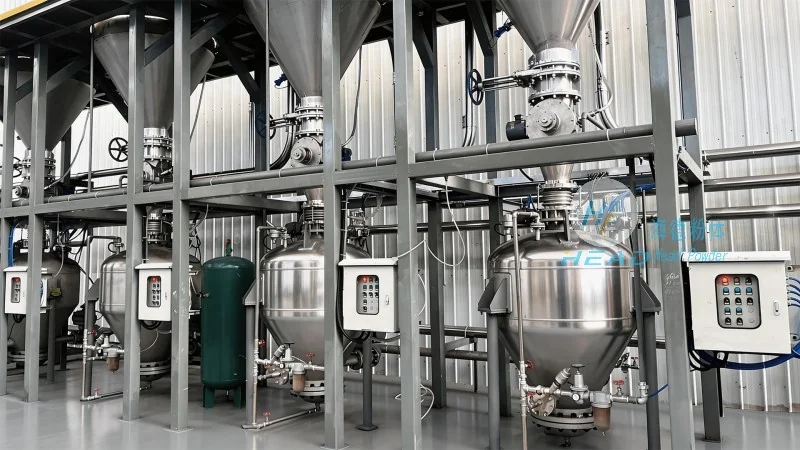
Negative Pressure Conveying of Zinc Oxide
Contrary to positive pressure systems, negative pressure conveying operates by creating a vacuum in the conveying line, drawing the material and air mixture into the system. This method is often preferred for shorter distances or when the material is less abrasive and less prone to generating dust. The vacuum pulls the zinc oxide particles along the pipeline, making it suitable for applications where the material needs to be collected from multiple points or where the system is integrated with existing ventilation infrastructure. HeadPowder also offers negative pressure conveying solutions designed to handle the specific properties of zinc oxide. Our systems are equipped with advanced filtration and dust control mechanisms to ensure compliance with environmental regulations and to protect the material from contamination. The negative pressure approach is particularly advantageous in environments where dust suppression is a priority, as it reduces the risk of airborne particle release and maintains a cleaner working environment.
Key Differences and Performance Metrics
Several factors differentiate positive and negative pressure conveying systems, including pressure requirements, energy consumption, and material handling capabilities. Positive pressure systems typically require higher energy input due to the need to generate and maintain elevated pressure, but they offer greater control over the conveying process and are more suitable for long-distance transport. Negative pressure systems, on the other hand, consume less energy and are more cost-effective for shorter distances, but they may be less efficient in handling fine powders and are more susceptible to clogging. For zinc oxide, the choice between positive and negative pressure conveying often depends on the specific application and operational constraints. Positive pressure systems are ideal for large-scale production facilities where the material needs to be transported over significant distances, while negative pressure systems are better suited for smaller-scale operations or where the material is handled in a controlled environment with minimal dust generation.
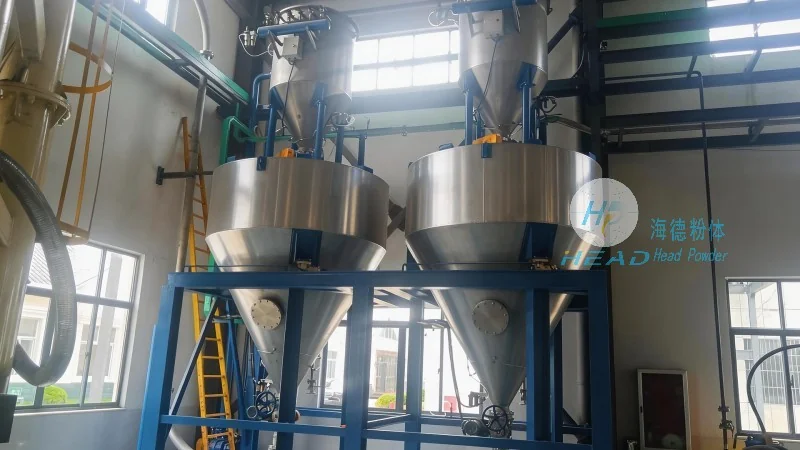
Advantages and Considerations for Each Method
Both positive and negative pressure conveying methods have distinct advantages and considerations that must be evaluated when selecting a system for zinc oxide transportation. Positive pressure systems offer superior control over the conveying process, ensuring consistent flow rates and minimal material degradation. They are also more reliable in handling abrasive or sticky materials, which is common in zinc oxide applications. However, these systems require more maintenance due to the higher pressure components and may generate more noise and vibration. Negative pressure systems, while more energy-efficient, are more prone to clogging and may require more frequent cleaning and maintenance. They are also less effective in handling fine powders, as the vacuum can cause the particles to stick to the pipeline walls. Additionally, negative pressure systems may pose higher safety risks due to the potential for dust explosions if not properly ventilated and equipped with explosion-proof components.
Application Examples and Case Studies
HeadPowder has successfully implemented both positive and negative pressure conveying systems for zinc oxide in various industrial applications. For example, a large chemical plant in China used our positive pressure system to transport zinc oxide from a storage silo to a processing facility over a distance of 500 meters, achieving a consistent flow rate of 10 tons per hour with minimal material loss. The system was designed with advanced pressure control and filtration to ensure the material remained free from contamination and to comply with local environmental regulations. In another case, a pharmaceutical manufacturer opted for a negative pressure conveying system to transport zinc oxide to a mixing unit within a controlled environment. The system was integrated with the facility's existing ventilation system, allowing for efficient dust collection and minimizing the risk of airborne particle exposure. HeadPowder's expertise in designing customized conveying solutions ensured that the system met all safety and regulatory requirements while maintaining optimal performance.