

Airborne Conveying in the Bulk Handling of Lithium Hydroxide
When it comes to the efficient and reliable transport of bulk materials like lithium hydroxide, the choice of conveying system plays a critical role in ensuring operational efficiency, safety, and cost-effectiveness. Airborne conveying, also known as pneumatic conveying, has emerged as a preferred solution for many industries due to its ability to handle materials in a closed system, minimizing dust exposure and environmental impact. In this context, Shandong HeadPowder Engineering Co., Ltd. specializes in providing advanced air conveying systems tailored to the unique requirements of lithium hydroxide handling.
Key Advantages of Airborne Conveying for Lithium Hydroxide
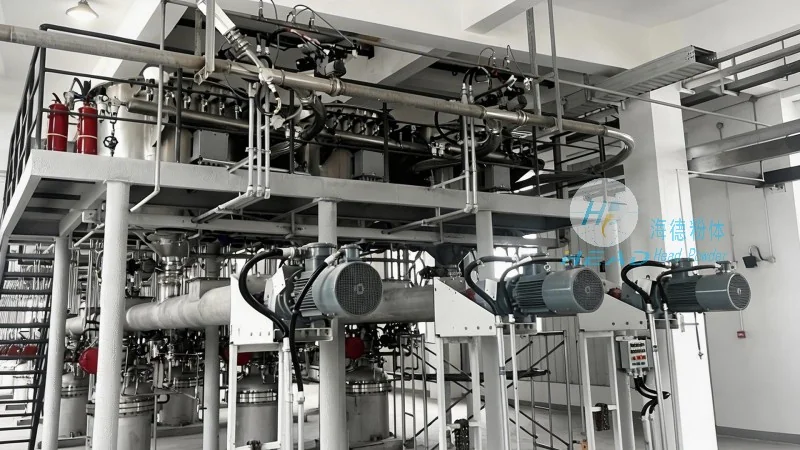
One of the primary benefits of using airborne conveying for lithium hydroxide is the reduction of dust generation. Lithium hydroxide is a fine powder that can be hazardous if inhaled, and traditional methods like belt conveyors or bucket elevators often lead to significant dust emissions. Airborne conveying systems operate by transporting the material in a sealed pipeline using compressed air, effectively containing the material and preventing dust from escaping into the environment. This not only enhances workplace safety but also complies with stringent environmental regulations, making it an ideal choice for modern industrial applications.
Another advantage is the flexibility and scalability of air conveying systems. Unlike traditional mechanical conveyors that require complex infrastructure and may be limited in their ability to change routes or handle varying material volumes, air conveying can be easily reconfigured to accommodate different production needs. This adaptability is particularly valuable in industries where material flow patterns may change over time, such as in lithium hydroxide production facilities. Additionally, the system can handle a wide range of material characteristics, including different particle sizes, moisture content, and bulk densities, without compromising performance.
Technical Specifications and Design Considerations
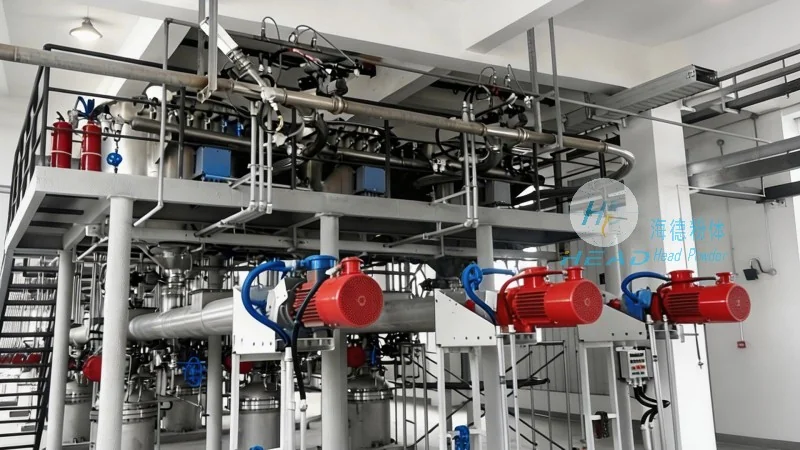
Shandong HeadPowder Engineering Co., Ltd. designs and manufactures air conveying systems that are specifically engineered for lithium hydroxide. The systems typically consist of a series of components, including a material feed hopper, a rotary airlock valve, a conveying pipeline, and a receiver or discharge point. The rotary airlock valve is a critical component that ensures a continuous and controlled flow of material into the pipeline, preventing backflow and maintaining system pressure. The conveying pipeline is often made of stainless steel or other corrosion-resistant materials to withstand the chemical properties of lithium hydroxide and ensure long-term durability.
The selection of the appropriate conveying velocity is another key design consideration. Different materials have optimal conveying velocities to achieve efficient transport without causing excessive pressure drops or material degradation. For lithium hydroxide, the system is designed to operate at a velocity that balances efficiency with energy consumption. This optimization ensures that the system operates at peak performance while minimizing operational costs. Furthermore, the system incorporates features such as pressure sensors and flow meters to monitor performance in real-time, allowing for immediate adjustments if any issues arise.
Application Scenarios and Case Studies
The application of airborne conveying in lithium hydroxide bulk transport is widespread across various industries. For instance, in lithium battery manufacturing plants, the material is often transported from storage silos to processing lines, and then to packaging units. The air conveying system ensures a seamless and dust-free transfer of lithium hydroxide, maintaining product quality and reducing downtime. Similarly, in chemical processing facilities, the material may be conveyed from reaction vessels to storage tanks or to downstream processing equipment. The closed system design of the air conveying system prevents contamination and ensures that the material remains in its original state throughout the transport process.
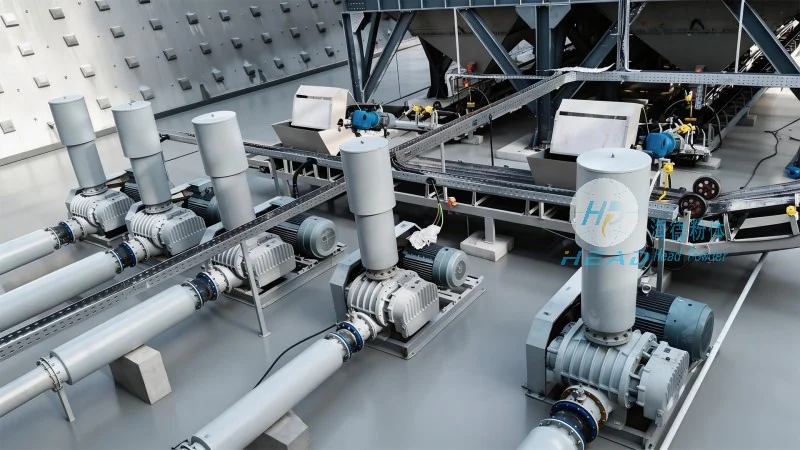
Case studies from Shandong HeadPowder Engineering Co., Ltd. have demonstrated the effectiveness of their air conveying systems in improving operational efficiency. One client, a lithium hydroxide producer, reported a 20% reduction in material handling time and a 15% decrease in energy consumption after implementing the company's air conveying solution. Another client, a battery manufacturer, noted that the system reduced dust-related maintenance costs by 30% and improved product purity by maintaining a clean environment. These results highlight the tangible benefits of using advanced air conveying technology for lithium hydroxide transport.
Conclusion and Future Outlook
As the demand for lithium hydroxide continues to grow, the importance of efficient and reliable bulk transport systems becomes increasingly critical. Airborne conveying, with its inherent advantages in dust control, flexibility, and scalability, remains a top choice for many industrial applications. Shandong HeadPowder Engineering Co., Ltd. plays a key role in providing these advanced systems, leveraging its expertise and technical capabilities to meet the evolving needs of the industry. By investing in air conveying technology, companies can enhance their operational performance, ensure compliance with environmental regulations, and ultimately improve their bottom line. The future of lithium hydroxide bulk transport is undoubtedly shaped by such innovative solutions, and Shandong HeadPowder Engineering Co., Ltd. is at the forefront of this technological advancement.