

Types and Characteristics of PP Pneumatic Conveying Systems and Their Application Ranges
PP (polypropylene) is a widely used thermoplastic polymer known for its excellent chemical resistance, high strength, and low density. Pneumatic conveying systems utilizing PP materials offer efficient and reliable solutions for handling PP powders and granules in various industrial applications. This article explores the different types of PP pneumatic conveying systems, their key features, and the diverse application ranges where they are commonly employed, with a focus on the solutions provided by Shandong HeadPowder Engineering Co., Ltd.
Types of PP Pneumatic Conveying Systems
PP pneumatic conveying systems can be categorized based on the conveying principle and the pressure used. The primary types include:
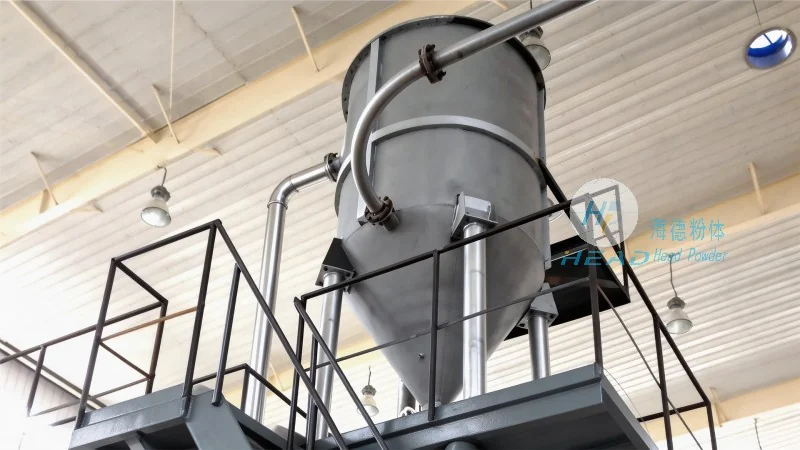
- Positive Pressure Conveying: This system uses a blower or compressor to generate positive pressure, pushing the material through the pipeline. It is suitable for long-distance and high-capacity conveying of PP powders.
- Negative Pressure Conveying: Also known as vacuum conveying, this system creates a negative pressure to draw the material into the pipeline. It is ideal for handling fine powders and granules, especially when the material needs to be transported from a lower elevation.
- Combined Pressure Conveying: A hybrid system that combines both positive and negative pressure to optimize conveying efficiency. It is often used for complex conveying routes with varying elevations and distances.
Each type of PP pneumatic conveying system has its own advantages and is selected based on the specific requirements of the application, such as the material characteristics, conveying distance, and system layout.
Key Features of PP Pneumatic Conveying Systems
PP pneumatic conveying systems are designed with several key features to ensure efficient and reliable operation:
- Corrosion Resistance: PP materials are highly resistant to chemical corrosion, making them suitable for conveying PP powders that may be exposed to acidic or alkaline environments.
- Low Friction and Wear Resistance: PP has low friction coefficients and good wear resistance, reducing the wear on the pipeline and components over time.
- Lightweight and Easy to Install: PP components are lightweight, which simplifies installation and reduces the overall system weight, making it easier to handle and maintain.
- Energy Efficiency: Modern PP pneumatic conveying systems are designed to be energy-efficient, with optimized blower and compressor designs that minimize energy consumption while maintaining high conveying capacity.
- Customizable Design: The systems can be customized to meet specific application requirements, including different pipeline configurations, material handling capacities, and control systems.
Application Ranges of PP Pneumatic Conveying Systems
PP pneumatic conveying systems find extensive applications in various industries due to their versatility and efficiency. The main application ranges include: