

Types and Applications of Feed Pneumatic Conveying Systems
Feed pneumatic conveying systems are essential equipment in the animal feed processing industry, designed to transport bulk materials like feed pellets, powders, and other raw ingredients efficiently and reliably. Understanding the different types, key features, and practical applications of these systems is crucial for optimizing feed production processes and ensuring consistent quality. This article explores the various aspects of feed pneumatic conveying, highlighting the technological advancements and operational benefits that make them indispensable in modern feed mills.
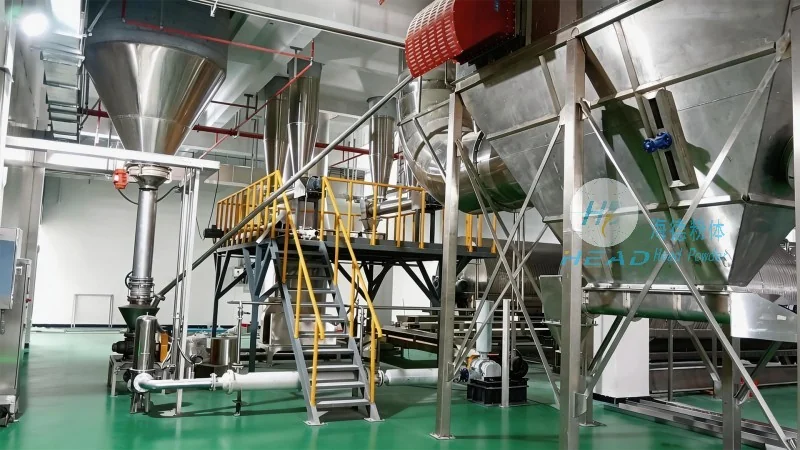
Types of Feed Pneumatic Conveying Systems
Feed pneumatic conveying systems can be broadly categorized into two main types: pressure and vacuum systems. Each type operates on different principles and is suited to specific material handling requirements.
1. Pressure Pneumatic Conveying Systems
Pressure systems use compressed air to push material through a pipeline. They are typically used for short to medium-distance transport and are ideal for handling materials that are free-flowing and non-abrasive. The primary components of a pressure system include a positive displacement blower, a hopper, and a pipeline network. The compressed air is introduced at the discharge end, creating a pressure differential that propels the material forward. This method is particularly effective for transporting feed from storage silos to processing units or for moving materials between different stages of the feed production line.
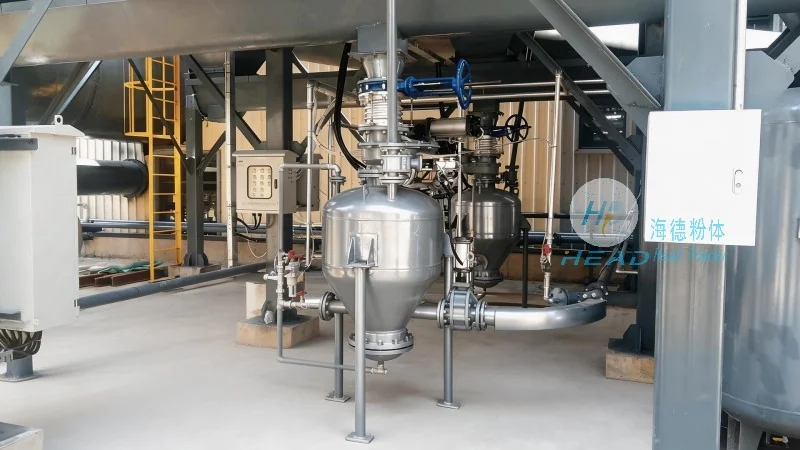
2. Vacuum Pneumatic Conveying Systems
Vacuum systems, on the other hand, use a vacuum to draw material into a pipeline. They are commonly used for longer distances and for handling materials that are more cohesive or have a higher moisture content. The system consists of a vacuum pump, a hopper, and a collection point where the material is discharged. The vacuum is created at the intake end, pulling the material into the pipeline and transporting it to the desired location. Vacuum systems are often preferred for applications where the feed needs to be transported from multiple points to a central processing area, such as in large-scale feed mills.
Key Features of Feed Pneumatic Conveying Systems
Regardless of the type, modern feed pneumatic conveying systems share several key features that enhance their performance and reliability. These include:
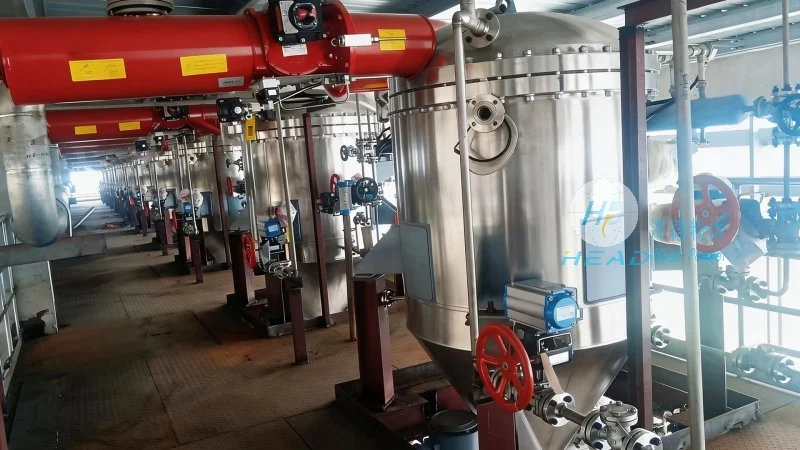
1. Material Handling Efficiency
Efficiency is a critical feature of feed pneumatic conveying systems. They can transport large volumes of material quickly and with minimal downtime. The ability to handle various feed types, from fine powders to larger pellets, makes them versatile and adaptable to different production needs. This efficiency is achieved through the use of high-performance blowers and optimized pipeline designs that minimize pressure losses and ensure consistent material flow.
2. Low Maintenance Requirements
Another important feature is the low maintenance requirements of these systems. Unlike mechanical conveyors, which may require frequent adjustments and repairs, pneumatic systems have fewer moving parts and are less prone to wear and tear. This reduces operational costs and increases the overall lifespan of the equipment. Regular maintenance, such as cleaning the filters and checking the blower performance, is typically all that is needed to keep the system running smoothly.
3. Hygienic and Sanitary Design
Hygiene is a top priority in the feed industry, and pneumatic conveying systems are designed with this in mind. The equipment is constructed from materials that are easy to clean and sanitize, such as stainless steel, and features smooth surfaces that prevent material buildup and contamination. This design helps maintain the quality and safety of the feed, which is essential for animal health and consumer trust.
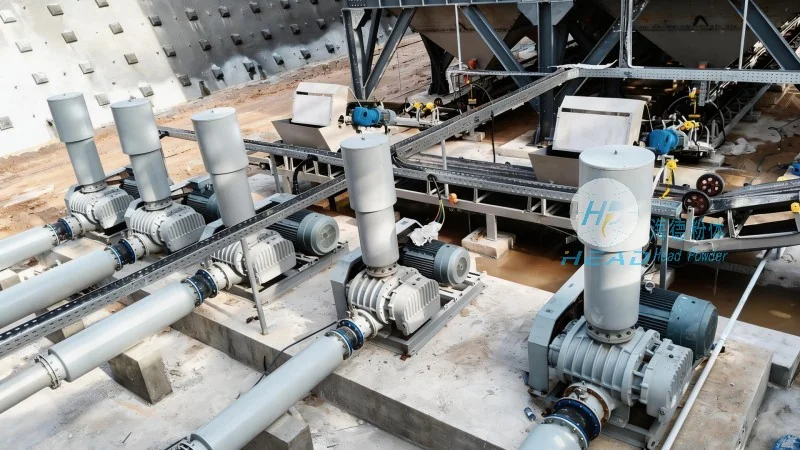
4. Energy Efficiency
Energy efficiency is a key consideration for feed processing facilities, and modern pneumatic conveying systems are designed to minimize energy consumption. Advanced blower technologies, such as variable frequency drives, allow for precise control of air pressure and flow, reducing energy waste. This not only lowers operational costs but also aligns with the industry's commitment to sustainable practices.
Applications of Feed Pneumatic Conveying Systems
The applications of feed pneumatic conveying systems are diverse and cover various stages of the feed production process. They are used in both small-scale and large-scale feed mills, and their versatility makes them suitable for a wide range of feed types and processing requirements.