

Types, Features, and Application Ranges of Chromic Oxide Pneumatic Conveying
Chromic oxide, a vital industrial chemical, is commonly transported via pneumatic conveying systems due to its specific characteristics and the necessity for efficient, dust-free handling. These systems are engineered to accommodate the material's properties, ensuring safe and effective transport. This article delves into the types, key features, and application ranges of chromic oxide pneumatic conveying systems, offering insights into their operational advantages and practical applications.
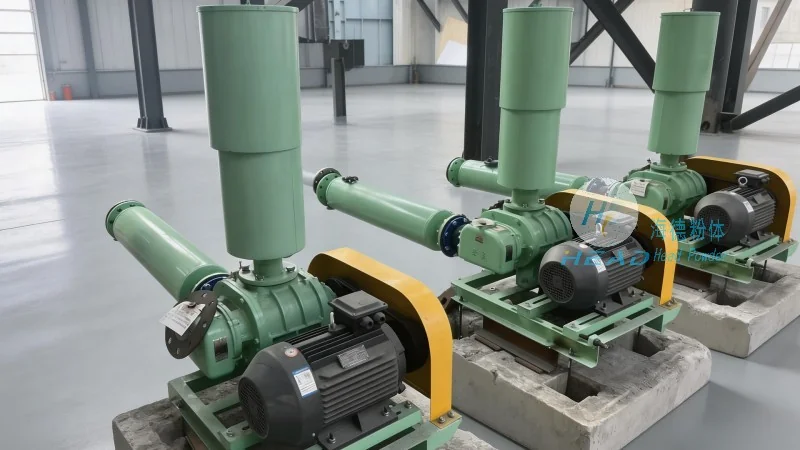
Company Overview: Shandong HeadPowder Engineering Co., Ltd.
Shandong HeadPowder Engineering Co., Ltd., branded as headpowder, specializes in the design, manufacturing, and implementation of advanced material handling solutions. With a focus on industrial chemical processing, the company has developed expertise in handling challenging materials like chromic oxide. Headpowder's commitment to quality and innovation positions it as a trusted partner in the chemical and processing industries, providing tailored solutions that meet specific operational requirements.
Types of Chromic Oxide Pneumatic Conveying Systems
Chromic oxide pneumatic conveying systems are classified based on the conveying principle and system design. The main types include pressure and vacuum systems, each with distinct characteristics suited to different operational scenarios. Pressure systems utilize compressed air to push the material through the pipeline, while vacuum systems employ suction to draw the material from the source. Additionally, hybrid systems combine elements of both pressure and vacuum to optimize performance. The selection of a system type depends on factors such as material properties, distance, and system complexity.
Key Features of Chromic Oxide Pneumatic Conveying Systems
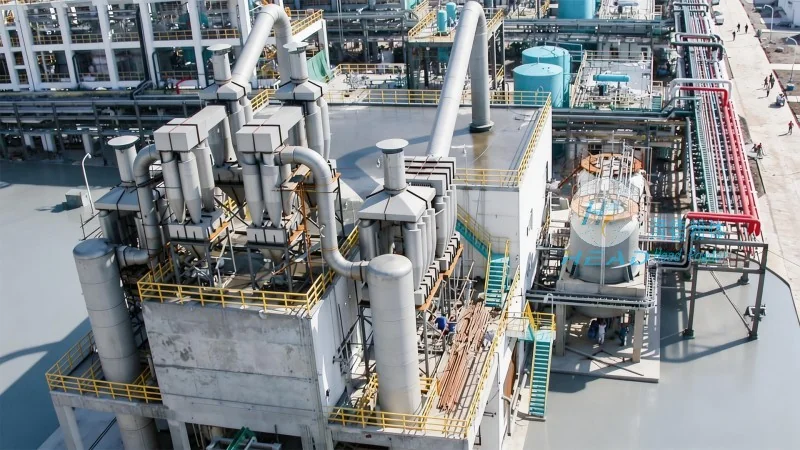
Effective chromic oxide pneumatic conveying systems exhibit several critical features that enhance performance and safety. These include high material transport efficiency, minimal product degradation, and robust dust control mechanisms. The systems are designed to handle the abrasive nature of chromic oxide, ensuring long-term operational reliability. Advanced filtration and separation technologies are integrated to prevent material loss and maintain air quality. Furthermore, the systems are equipped with monitoring and control features that allow for real-time adjustments, optimizing the conveying process and reducing downtime. The use of corrosion-resistant materials in the construction of the conveying lines and components is also a key feature, as chromic oxide can be corrosive to certain metals.
Application Ranges of Chromic Oxide Pneumatic Conveying Systems
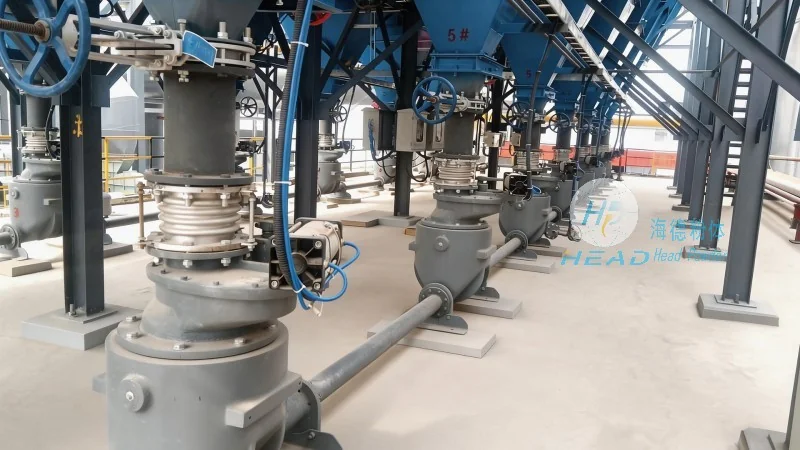
Chromic oxide pneumatic conveying systems are utilized across various industrial sectors, primarily for transporting the material from storage to processing units or between different production stages. In the chemical industry, these systems are employed in the production of pigments, where chromic oxide serves as a key component. They are also used in the manufacturing of ceramics and glass, where the material acts as a coloring agent or additive. Additionally, in the metal finishing and plating industries, chromic oxide is used as an oxidizing agent, and the conveying systems ensure its safe and efficient transport to application areas. The systems are suitable for both batch and continuous production processes, adapting to the varying demands of industrial operations.
Operational Advantages and Considerations
The implementation of chromic oxide pneumatic conveying systems offers several operational advantages, including improved safety, reduced labor costs, and enhanced process control. By eliminating manual handling, the systems minimize the risk of exposure to the material, which can be hazardous. The automated nature of the systems also reduces the need for human intervention, leading to lower labor costs and increased productivity. However, the implementation of these systems requires careful consideration of the material's properties and the operational environment. Factors such as the material's flowability, moisture content, and potential for caking must be evaluated to ensure the system's effectiveness. Additionally, the system design must account for the material's corrosive nature, requiring the use of appropriate materials for the conveying components to prevent degradation and ensure longevity.