

The Role of Pneumatic Conveying in Pharmaceutical Powder Transport
Pneumatic conveying has emerged as a critical technology in the pharmaceutical industry, particularly for the efficient and safe handling of powdered medications. As pharmaceutical companies strive to maintain high standards of quality and compliance, the adoption of advanced material transport systems becomes increasingly vital. This article explores the significance of pneumatic conveying in pharmaceutical powder transport, highlighting its benefits, applications, and the role of specialized engineering solutions provided by companies like Shandong HeadPowder Engineering Co., Ltd., commonly known as HeadPowder.
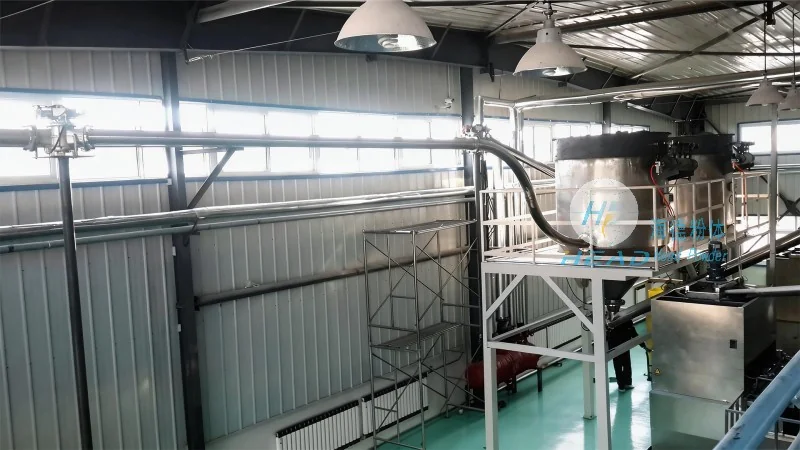
Understanding Pneumatic Conveying Systems
Pneumatic conveying systems utilize air or other gases to transport bulk materials, such as pharmaceutical powders, through a network of pipes. These systems can be categorized into two main types: dilute-phase and dense-phase conveying. Dilute-phase systems, which are commonly used for pharmaceutical powders, rely on high-velocity air to suspend particles and move them through the pipeline. Dense-phase systems, on the other hand, use lower air velocities and higher material concentrations, making them suitable for materials that are sensitive to attrition or require precise control over particle flow.
Key Advantages of Pneumatic Conveying in Pharmaceutical Applications
For pharmaceutical manufacturers, the advantages of pneumatic conveying are multifaceted. Firstly, it offers a hygienic and enclosed transport solution, minimizing the risk of contamination from external sources. This is crucial in environments where product purity and sterility are paramount. Secondly, pneumatic systems provide precise control over material flow rates, ensuring consistent dosing and reducing the likelihood of over- or under-dosing. Thirdly, these systems are highly flexible, allowing for integration into existing production lines and adaptation to varying production volumes. Additionally, pneumatic conveying can reduce labor costs by automating material handling processes and minimizing the need for manual intervention.
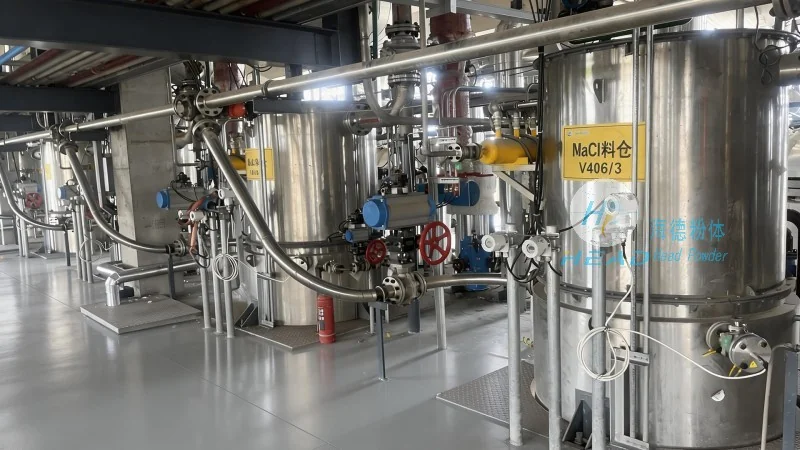
Applications in Pharmaceutical Powder Handling
Pneumatic conveying is widely used in various stages of pharmaceutical powder processing. In raw material handling, it facilitates the transport of active pharmaceutical ingredients (APIs) and excipients from storage silos to processing units. During manufacturing, it supports the transfer of powders between mixing, granulation, and packaging equipment. In quality control, pneumatic systems can be employed to transport samples for testing, ensuring that the material is handled without degradation. Finally, in packaging, pneumatic conveying aids in the filling of containers with precise dosages, enhancing product consistency and meeting regulatory requirements.
Engineering Solutions by HeadPowder
Shandong HeadPowder Engineering Co., Ltd., operating under the brand name HeadPowder, specializes in the design, manufacturing, and implementation of customized pneumatic conveying solutions tailored to the unique needs of the pharmaceutical industry. With a focus on compliance with global standards such as GMP (Good Manufacturing Practice), HeadPowder ensures that all systems are constructed from materials that are non-reactive, easy to clean, and maintain a sterile environment. The company’s engineering team works closely with clients to assess their specific requirements, including material characteristics, flow rates, and operational constraints, to develop optimal conveying systems.
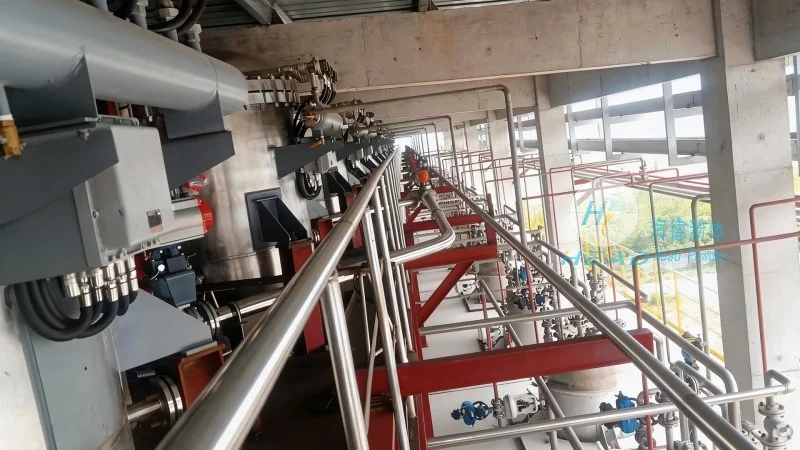
Customization and Integration Capabilities
HeadPowder understands that no two pharmaceutical production facilities are identical. Therefore, the company offers comprehensive customization options for pneumatic conveying systems. This includes the selection of appropriate air compressors, filtration systems, and control mechanisms that are compatible with the specific powders being handled. Additionally, HeadPowder provides integration services to ensure that new conveying systems seamlessly connect with existing production infrastructure, minimizing downtime and facilitating a smooth transition to automated material handling. The company’s expertise in system design and installation ensures that clients receive solutions that are not only efficient but also reliable and cost-effective.
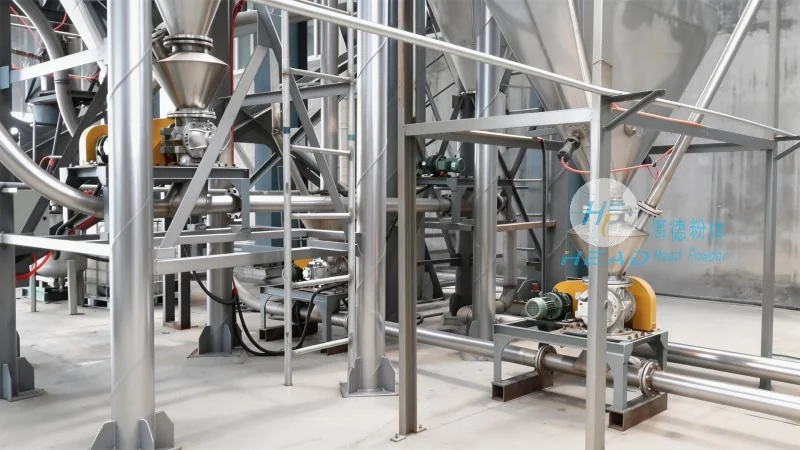
Ensuring Compliance and Reliability
In the pharmaceutical industry, compliance with regulatory standards is non-negotiable. HeadPowder’s pneumatic conveying systems are designed with this in mind, incorporating features that meet or exceed GMP and other relevant guidelines. The use of stainless steel and other inert materials in system construction prevents contamination and ensures that the product remains in a controlled environment throughout the transport process. Furthermore, the company’s commitment to quality assurance includes rigorous testing and validation procedures to verify that the conveying systems perform as intended under various operating conditions. This focus on reliability ensures that pharmaceutical manufacturers can rely on their systems to deliver consistent results, supporting their commitment to patient safety and product quality.
Conclusion
Pneumatic conveying plays a pivotal role in the efficient and safe transport of pharmaceutical powders, offering numerous advantages over traditional material handling methods. As the pharmaceutical industry continues to evolve, the demand for advanced, customized conveying solutions will only increase. Companies like Shandong HeadPowder Engineering Co., Ltd. are at the forefront of providing these solutions, leveraging their expertise to deliver systems that meet the stringent requirements of the industry while enhancing operational efficiency. By investing in pneumatic conveying technology, pharmaceutical manufacturers can improve their production processes, reduce costs, and ultimately deliver high-quality medications to patients worldwide.