

Role of Pneumatic Conveying in Coal Powder Transportation
For industrial applications involving coal powder handling, the selection of an efficient and reliable transport method is crucial. Pneumatic conveying systems have emerged as a preferred solution, offering significant advantages over traditional methods such as belt conveyors or bucket elevators. This article explores the critical role of pneumatic conveying in coal powder transportation, highlighting its benefits, technical considerations, and practical applications.
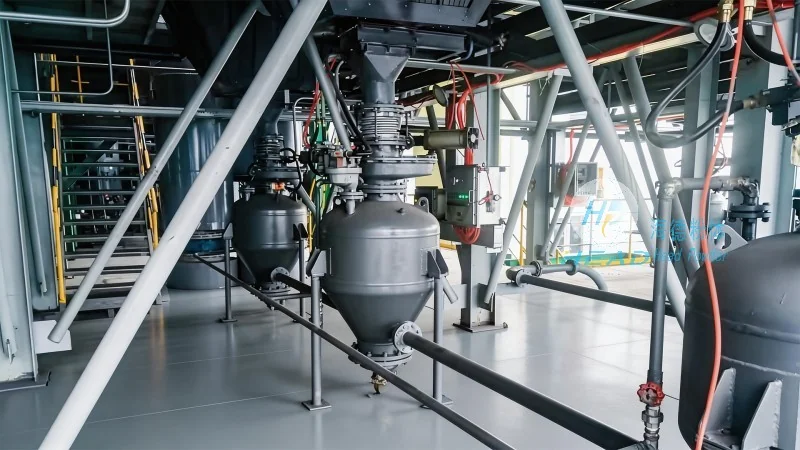
Understanding Pneumatic Conveying for Coal Powder
Pneumatic conveying utilizes compressed air or gas to transport bulk materials like coal powder through a pipeline system. Unlike mechanical systems that rely on physical contact and friction, pneumatic systems operate by suspending the powder particles in a moving air stream. This method is particularly effective for handling fine, dusty, or abrasive materials, which are common characteristics of coal powder. The technology allows for a closed system, minimizing dust emissions and improving safety in industrial environments.
Key Advantages of Pneumatic Conveying in Coal Powder Transport
One of the primary benefits of pneumatic conveying for coal powder is its ability to handle materials with high moisture content or sticky properties. Traditional mechanical conveyors may suffer from blockages or reduced efficiency when dealing with such materials, whereas pneumatic systems can maintain consistent flow rates by adjusting air pressure and velocity. Additionally, the closed pipeline design prevents dust contamination of the surrounding environment, which is essential for compliance with environmental regulations and maintaining workplace safety.
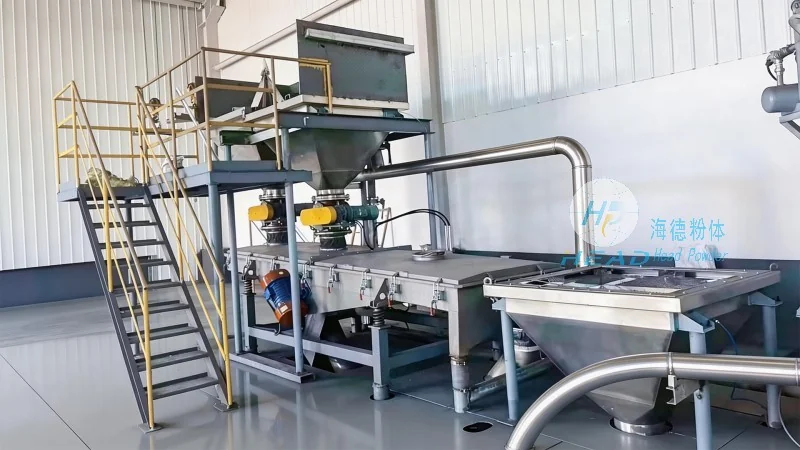
Another advantage is the flexibility of pneumatic conveying systems. They can be easily integrated into existing industrial setups, with the ability to transport coal powder over long distances or to multiple destinations from a single source. This flexibility is particularly valuable in power plants, where coal is transported from storage silos to boilers or other processing units. The system can also accommodate changes in material flow rates, making it adaptable to varying production demands.
Technical Considerations for Pneumatic Coal Powder Conveying
Implementing an effective pneumatic conveying system for coal powder requires careful consideration of several technical factors. The choice of conveying type—such as dilute-phase or dense-phase—depends on the specific application and material characteristics. Dilute-phase systems use higher air velocities to keep particles suspended, suitable for short to medium distances and low to medium material loads. Dense-phase systems, on the other hand, use lower air velocities and higher material-to-air ratios, ideal for longer distances and higher material loads, as they reduce particle degradation and energy consumption.
System design also involves selecting appropriate equipment, including air compressors, filters, and material separators. Air compressors must provide sufficient pressure and volume to maintain the desired conveying velocity, while filters are essential to remove contaminants from the air stream, preventing clogging and ensuring system longevity. Material separators, such as cyclones or bag filters, are used to separate the coal powder from the air at the discharge point, allowing for clean material recovery and air recirculation.
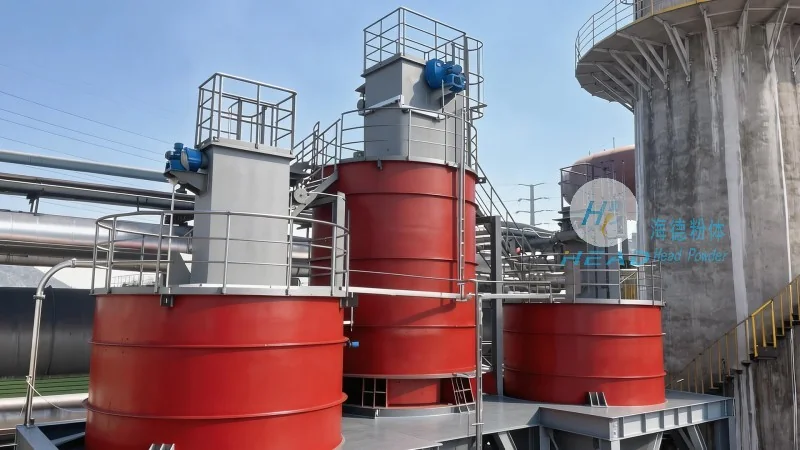
Applications of Pneumatic Conveying in Coal Powder Handling
Pneumatic conveying is widely used in various coal-related industries, including power generation, cement production, and chemical processing. In power plants, it is commonly employed to transport coal from storage silos to boilers, ensuring a continuous and controlled supply of fuel. The system can handle large volumes of coal powder, with some systems capable of transporting thousands of tons per hour, meeting the high demand of modern power generation facilities.
In cement plants, pneumatic conveying is used to transport raw materials like limestone and coal to the kilns, where they are processed into clinker. The technology allows for precise control over material flow, which is critical for maintaining the quality and consistency of the final product. Additionally, the closed system helps prevent dust contamination of raw materials, ensuring the purity of the cement production process.
Chemical processing industries also benefit from pneumatic conveying for coal powder applications, particularly in the production of coal-based chemicals or as a fuel source for industrial furnaces. The ability to transport coal powder efficiently and safely makes it an attractive option for facilities requiring high material throughput and minimal environmental impact.
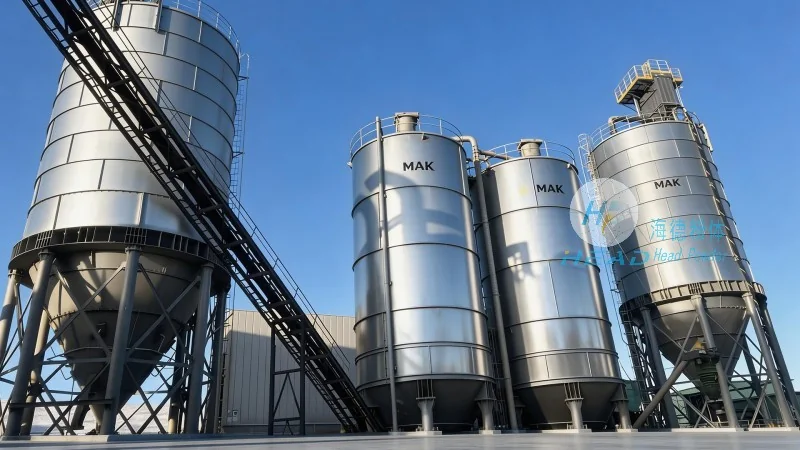
Conclusion: The Importance of Pneumatic Conveying in Coal Powder Transport
As industrial demands for efficient and sustainable material handling increase, pneumatic conveying systems have become indispensable in coal powder transportation. The technology offers numerous advantages, including improved safety, reduced environmental impact, and enhanced operational flexibility. By understanding the technical considerations and selecting the appropriate system design, industries can optimize their coal powder handling processes, ensuring reliability and efficiency in their operations.
Shandong HeadPowder Engineering Co., Ltd., a leading provider of pneumatic conveying solutions, specializes in designing and manufacturing customized systems tailored to the specific needs of coal powder transport applications. With a focus on innovation and quality, the company delivers reliable and efficient solutions that meet the demands of modern industrial operations. Based in Shandong, China, HeadPowder Engineering Co., Ltd. serves clients globally, providing expertise and support to enhance their material handling processes.