

Classification and Application Analysis of Caustic Soda Pneumatic Conveying Systems
Caustic soda, also known as sodium hydroxide, is a widely used chemical in various industrial processes. The efficient and safe transportation of caustic soda from production sites to processing units is crucial for maintaining operational efficiency and ensuring product quality. Pneumatic conveying systems have emerged as a preferred method for handling caustic soda due to their ability to transport materials in a closed system, minimizing exposure to the environment and reducing the risk of contamination. This article provides a detailed classification of caustic soda pneumatic conveying systems and analyzes their practical applications in industrial settings.
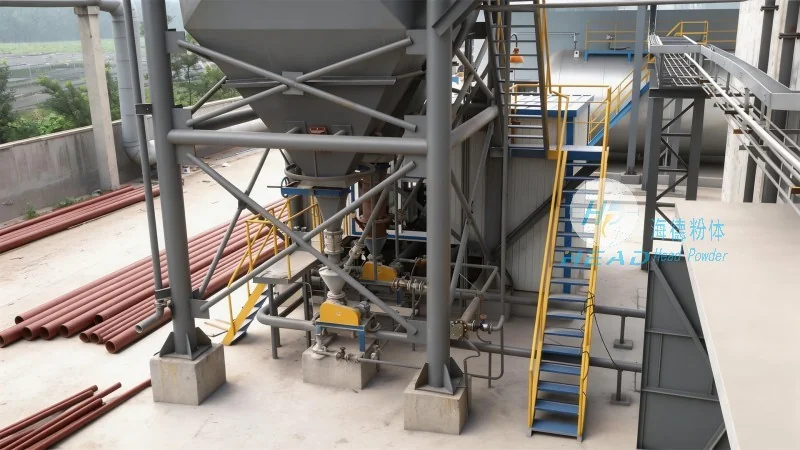
Introduction to Caustic Soda Pneumatic Conveying Systems
Caustic soda is a highly reactive and corrosive chemical, making its handling and transportation require specialized equipment. Pneumatic conveying systems utilize air or other gases to move solid materials like caustic soda through pipelines. These systems are designed to operate under controlled conditions, ensuring the safe and efficient transfer of the material. The primary advantages of pneumatic conveying for caustic soda include reduced labor costs, minimized material loss, and enhanced safety compared to traditional methods such as bucket elevators or belt conveyors.
Classification of Pneumatic Conveying Systems for Caustic Soda
Pneumatic conveying systems for caustic soda can be broadly classified into two main categories: suction (or negative pressure) systems and pressure (or positive pressure) systems. Each type has distinct characteristics and is suitable for different operational requirements.
Suction (Negative Pressure) Pneumatic Conveying Systems
Suction systems operate by creating a negative pressure at the material inlet, drawing the caustic soda into the system using a vacuum. These systems are typically used for short to medium-distance transportation and are ideal for applications where the material is to be collected from multiple sources or from a hopper. The key components of a suction system include a vacuum pump, a material feed hopper, and a pipeline network. The vacuum pump generates the necessary negative pressure to draw the caustic soda, while the feed hopper ensures a consistent flow of material into the system. Suction systems are particularly effective for handling fine powders or granules of caustic soda, as they can maintain a stable flow without causing excessive pressure buildup.
Pressure (Positive Pressure) Pneumatic Conveying Systems
Pressure systems, on the other hand, operate by creating positive pressure at the material source, pushing the caustic soda through the pipeline. These systems are commonly used for longer-distance transportation and are suitable for applications where the material needs to be delivered to multiple destinations or over elevated areas. The primary components of a pressure system include a blower or compressor, a material feed hopper, and a pipeline network. The blower or compressor provides the necessary pressure to move the caustic soda, while the feed hopper ensures a consistent supply of material. Pressure systems are generally more robust and can handle higher material loads compared to suction systems, making them ideal for large-scale industrial operations.
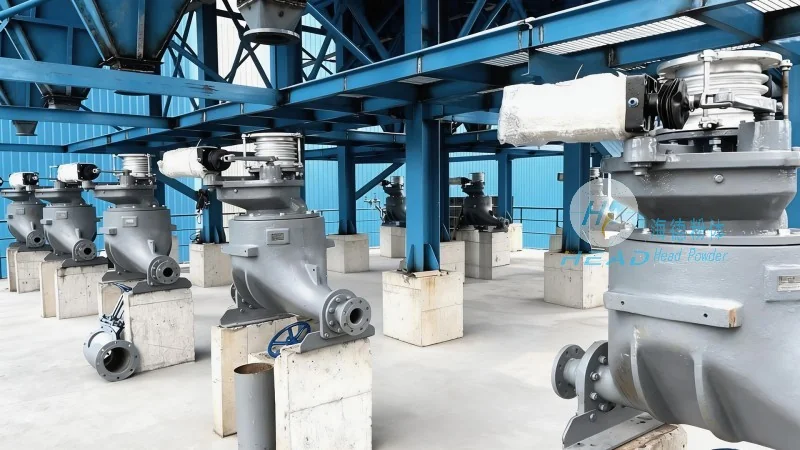
Key Components and Design Considerations for Caustic Soda Pneumatic Conveying Systems
The effectiveness and reliability of a caustic soda pneumatic conveying system depend on the proper selection and integration of key components. These components include material feeders, pipelines, air movers (vacuum pumps or blowers), and control systems. Material feeders are critical for maintaining a consistent flow of caustic soda into the system, preventing blockages and ensuring smooth operation. The choice of feeder type, such as rotary valves or screw feeders, depends on the material characteristics, such as particle size and flowability. Pipelines are typically made of corrosion-resistant materials like stainless steel or polyethylene to withstand the chemical properties of caustic soda. Air movers are selected based on the required pressure and flow rate, with suction systems using vacuum pumps and pressure systems using blowers or compressors. Control systems are essential for monitoring and regulating the system's operation, ensuring safe and efficient material transport.
Applications of Caustic Soda Pneumatic Conveying Systems
Caustic soda pneumatic conveying systems are widely used in various industries that rely on caustic soda as a raw material or processing agent. Some of the key applications include:
Chemical Manufacturing
In the chemical industry, caustic soda is used in the production of various chemicals, including paper, textiles, and detergents. Pneumatic conveying systems are used to transport caustic soda from storage tanks to reactors or processing units. The closed system design minimizes the risk of chemical exposure and ensures that the material is delivered to the processing equipment in a controlled manner. This is particularly important in large-scale chemical plants where the safe handling of caustic soda is critical for both operational efficiency and worker safety.
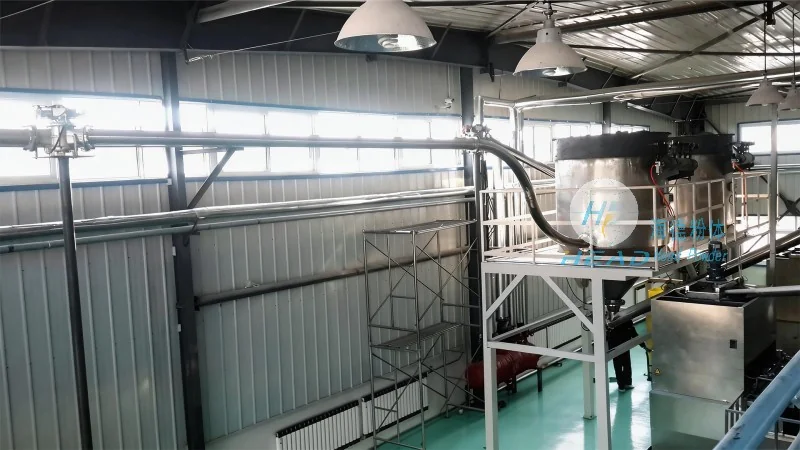
Paper and Pulp Industry
The paper and pulp industry is a major consumer of caustic soda, which is used in the bleaching and pulping processes. Pneumatic conveying systems are used to transport caustic soda from storage to the bleaching towers or pulping reactors. The systems are designed to handle high volumes of material and maintain a consistent flow, ensuring that the bleaching process is efficient and effective. The closed pipeline system also helps to prevent the caustic soda from coming into contact with the environment, reducing the risk of pollution and environmental impact.
Textile Industry
In the textile industry, caustic soda is used in the processing of fibers and fabrics, particularly in the mercerization process. Pneumatic conveying systems are used to transport caustic soda from storage to the processing equipment. The systems are designed to handle fine powders and maintain a consistent flow, ensuring that the fibers are properly treated. The closed system design also helps to protect workers from exposure to the caustic soda, enhancing workplace safety.
Food and Beverage Industry
While caustic soda is used in some food processing applications, such as the production of certain food additives, the use of pneumatic conveying systems is more common in the handling of caustic soda for industrial purposes. However, in food-related processing, the systems are designed to meet strict hygiene standards, ensuring that the material is handled in a clean and safe manner.
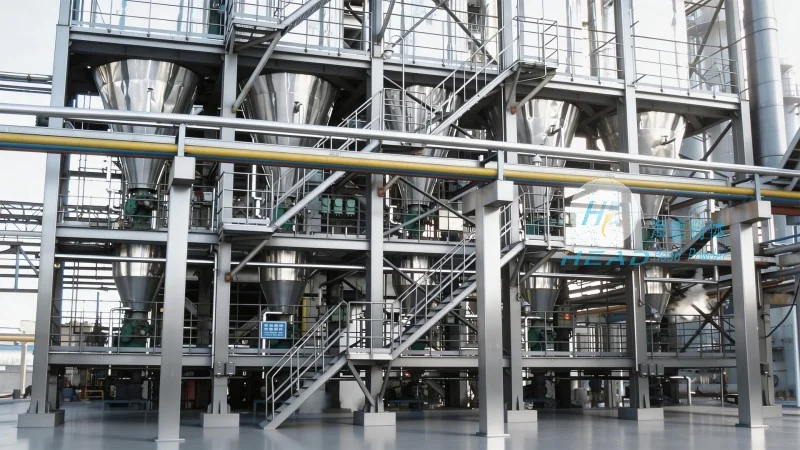
Advantages and Challenges of Caustic Soda Pneumatic Conveying Systems
Pneumatic conveying systems for caustic soda offer several advantages, including improved safety, reduced material loss, and enhanced operational efficiency. However, there are also challenges that need to be addressed, such as system maintenance, corrosion resistance, and material handling efficiency.
Advantages
The primary advantage of pneumatic conveying systems is the closed system design, which minimizes the risk of chemical exposure and reduces the risk of contamination. This is particularly important for caustic soda, which is highly corrosive and can cause severe burns if it comes into contact with skin or eyes. The closed system also helps to prevent the release of dust or fumes into the environment, reducing the risk of air pollution and environmental damage. Additionally, pneumatic conveying systems can handle high volumes of material with minimal labor, reducing operational costs and increasing productivity.
Challenges
One of the main challenges of pneumatic conveying systems is the need for regular maintenance to ensure the system operates efficiently. The components, such as pipelines and air movers, are subject to wear and tear due to the corrosive nature of caustic soda. Regular inspection and replacement of worn parts are necessary to prevent system failures and ensure safe operation. Another challenge is the selection of appropriate materials for the system components, as caustic soda can corrode many common materials. Stainless steel and polyethylene are commonly used for pipelines and other components due to their corrosion resistance. Additionally, the system design must consider the flow characteristics of caustic soda, as fine powders can cause blockages if not handled properly.
Conclusion
Pneumatic conveying systems are a critical component in the efficient and safe handling of caustic soda in various industrial applications. The classification of these systems into suction and pressure types allows for the selection of the most appropriate system based on operational requirements. Key components such as material feeders, pipelines, and air movers are essential for the system's performance and reliability. The applications of caustic soda pneumatic conveying systems span across multiple industries, including chemical manufacturing, paper and pulp, and textiles, where the systems contribute to operational efficiency and safety. While there are challenges related to maintenance and corrosion resistance, the advantages of pneumatic conveying systems make them a preferred choice for caustic soda transportation. As industrial processes continue to evolve, the development of more advanced and efficient pneumatic conveying systems will further enhance the handling of caustic soda and contribute to the growth of industries that rely on this essential chemical.