

Classification and Application Analysis of Pneumatic Conveying Systems for Rice
HeadPowder, a leading engineering firm based in Shandong, China, specializes in the design, manufacturing, and implementation of advanced pneumatic conveying systems tailored for rice processing industries. This article provides a comprehensive overview of the classification of these systems and their practical applications, highlighting the technical advancements and operational efficiencies they offer.
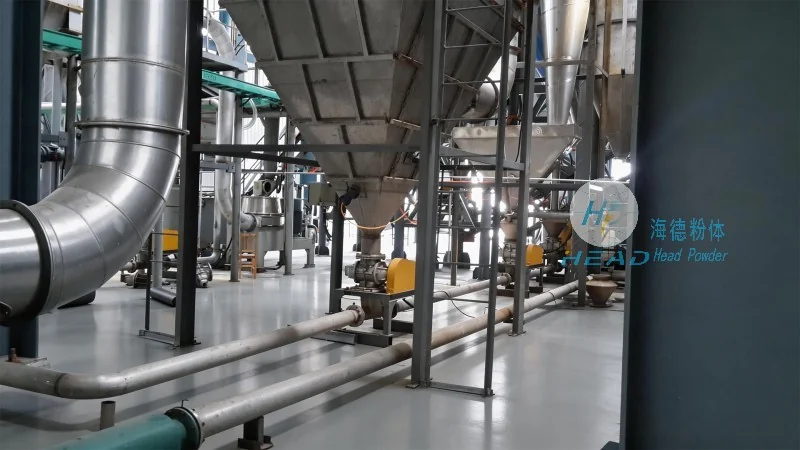
Overview of Pneumatic Conveying Systems for Rice
Pneumatic conveying systems are essential for the efficient handling of rice grains from storage to processing stages. These systems utilize air pressure to transport rice, offering advantages such as reduced labor costs, minimized contamination risks, and improved process control compared to traditional mechanical conveyors. The classification of rice pneumatic conveying systems is primarily based on the air flow direction and the method of material transport, which includes positive pressure, negative pressure, and hybrid systems.
Classification of Pneumatic Conveying Systems for Rice
1. Positive Pressure Systems: In positive pressure systems, air is forced through the conveying line under pressure, carrying rice particles. This method is suitable for short to medium-distance transport and is commonly used in rice mills for transferring rice from storage silos to processing units. The system operates by injecting air into the conveying line, creating a positive pressure that propels the rice forward. Key components include air blowers, conveying pipes, and separation equipment to prevent material buildup and ensure smooth flow.
2. Negative Pressure (Vacuum) Systems: Negative pressure systems use a vacuum to draw rice particles into the conveying line. This approach is ideal for long-distance transport and for handling materials that are prone to dust or require gentle handling. The system works by creating a low-pressure environment at the inlet, which pulls rice from the source into the pipe. It is particularly effective for transporting rice from field storage to processing facilities or for moving rice over elevated distances. The components typically include vacuum pumps, inlet hoppers, and filtration systems to maintain air quality and prevent dust contamination.
3. Hybrid (Combined) Systems: Hybrid systems combine elements of both positive and negative pressure methods. They are designed to optimize performance for varied operational conditions, such as handling different rice types or varying particle sizes. These systems can switch between positive and negative pressure modes depending on the transport requirements, offering flexibility in application. For instance, a hybrid system might use positive pressure for short segments and negative pressure for longer segments, or vice versa, to achieve the most efficient transport. This flexibility makes hybrid systems suitable for complex rice processing plants with multiple handling points.
Key Applications of Pneumatic Conveying Systems in Rice Processing
Pneumatic conveying systems for rice find extensive application across various stages of the rice processing workflow. These systems are integral to the efficient movement of raw rice from storage to milling, and subsequently to packaging and distribution. The following are key applications where these systems enhance operational efficiency and product quality:
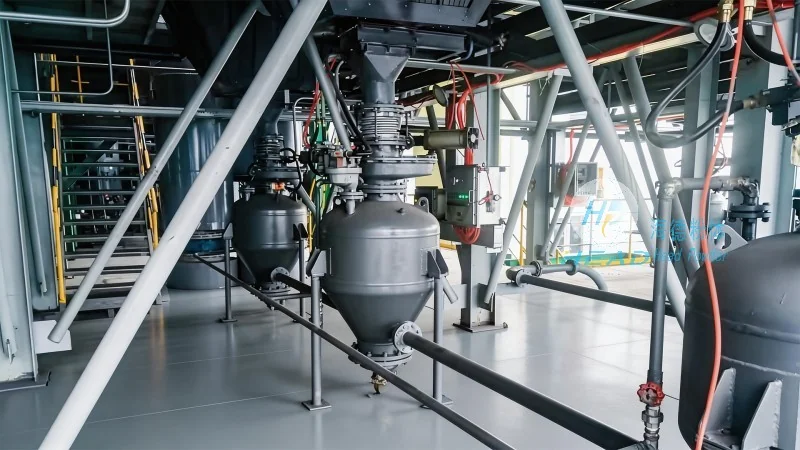
1. Raw Rice Transport from Storage Silos to Milling Facilities: One of the primary applications is the transfer of raw rice from large storage silos to the milling plant. Positive pressure systems are often employed here due to the relatively short distance and the need for high material throughput. The system ensures that rice is moved quickly and without damage, maintaining its quality for subsequent processing steps. The design of the conveying line, including the use of flexible hoses and appropriate pipe diameters, is critical to prevent clogging and ensure consistent flow rates.
2. Internal Milling Process Conveying: Within the rice mill, pneumatic conveying systems are used to transport rice through various processing stages, including cleaning, husking, milling, and polishing. Each stage may require a different type of system, such as a combination of positive and negative pressure to handle different particle sizes and moisture content. For example, after husking, the system may use a negative pressure to collect the husks and a positive pressure to move the paddy to the milling stage. This integration ensures that each processing step is connected seamlessly, minimizing downtime and maximizing productivity.
3. Byproduct Handling and Waste Management: Rice processing generates byproducts such as husks, bran, and broken grains. Pneumatic conveying systems are used to collect and transport these byproducts to storage or disposal areas. Negative pressure systems are often preferred for this application as they can handle fine particles and prevent dust dispersion. The systems are designed to capture the byproducts at the source, such as the husk separator or bran collector, and transport them to a designated storage silo or waste treatment facility. This ensures that the byproducts are managed efficiently and do not contaminate the main processing environment.
4. Product Packaging and Distribution: After the rice has been milled and polished, it needs to be packaged for distribution. Pneumatic conveying systems can be used to transfer the finished rice from the processing line to the packaging area. Positive pressure systems are typically used here to move the rice into packaging machines, ensuring a continuous and controlled flow. The system helps maintain the product's quality by preventing exposure to air and moisture, which could affect the rice's texture and shelf life. Additionally, the systems can be integrated with automated packaging lines to enhance the overall efficiency of the packaging process.
Technical Advantages and Considerations in Rice Pneumatic Conveying
The adoption of pneumatic conveying systems in rice processing offers several technical advantages that contribute to improved operational performance and cost savings. However, the selection and implementation of these systems require careful consideration of specific operational parameters and material characteristics.
1. Efficiency and Throughput: Pneumatic conveying systems can achieve high material throughput rates, often several tons per hour, depending on the system design and the type of rice being transported. This efficiency is particularly beneficial in large-scale rice mills where high production volumes are required. The systems can handle a wide range of particle sizes and moisture contents, making them versatile for different rice varieties.
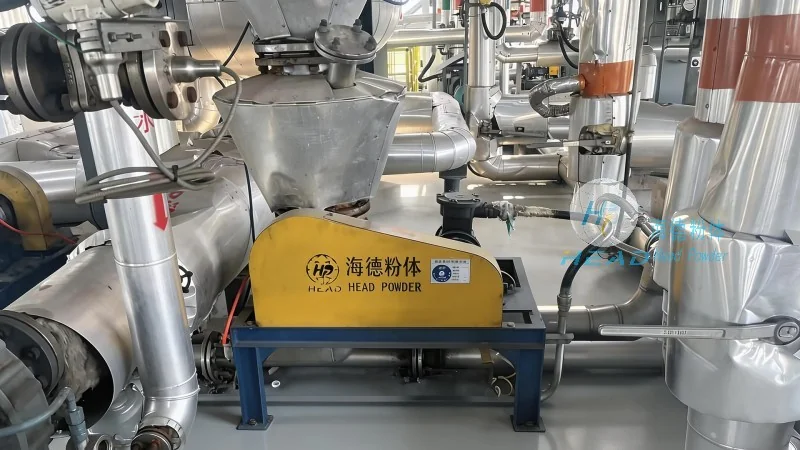
2. Reduced Labor and Maintenance Costs: Compared to traditional mechanical conveyors, pneumatic systems require less manual labor for operation and maintenance. The absence of moving parts in the conveying line reduces the risk of mechanical failure and the need for frequent repairs. Additionally, the systems are designed to minimize material buildup and clogging, which further reduces maintenance requirements and associated costs.
3. Improved Product Quality and Hygiene: Pneumatic conveying systems are enclosed, which helps maintain a clean and hygienic environment, reducing the risk of contamination from external sources. The systems also minimize product exposure to air and moisture, which can affect the rice's quality and shelf life. This is particularly important for premium rice varieties that require strict quality control.
4. Space Efficiency: Pneumatic conveying systems are flexible in terms of layout and can be installed in confined spaces, making them suitable for facilities with limited floor space. The use of flexible hoses and vertical conveying lines allows for the optimization of available space, ensuring that the system can be integrated into existing plant layouts without significant modifications.
5. Energy Consumption: While pneumatic systems offer operational advantages, they do consume energy, primarily from the air blowers or vacuum pumps. The energy efficiency of the system depends on the design, including the type of air mover, the conveying line length, and the material being transported. Modern systems often incorporate energy-saving features, such as variable speed drives and optimized pipe diameters, to reduce energy consumption and operating costs.
Conclusion
Pneumatic conveying systems represent a critical technology in the modern rice processing industry, offering efficient, hygienic, and flexible solutions for material handling. The classification of these systems—positive pressure, negative pressure, and hybrid—provides tailored options for different operational needs, from short-distance transport to long-distance handling. The applications of these systems span from raw rice transfer to byproduct management and product packaging, enhancing overall plant efficiency and product quality. As rice processing facilities continue to evolve, the adoption of advanced pneumatic conveying systems will remain essential for maintaining competitiveness and meeting the demands of a growing global market. HeadPowder, with its expertise in engineering and manufacturing, plays a vital role in providing customized solutions that optimize the performance of rice pneumatic conveying systems, supporting the sustainable growth of the rice industry.