

Classification and Application Analysis of Expanded Clay Aggregate Pneumatic Conveying Systems
Expanded clay aggregate pneumatic conveying systems represent a critical technology in material handling, particularly for the efficient transport of lightweight, granular materials like expanded clay aggregates. These systems utilize air as the primary medium to move materials from one location to another, offering advantages such as reduced mechanical wear, lower maintenance costs, and the ability to handle materials in hazardous or confined environments. The classification and application of such systems are essential for understanding their suitability across various industrial sectors.
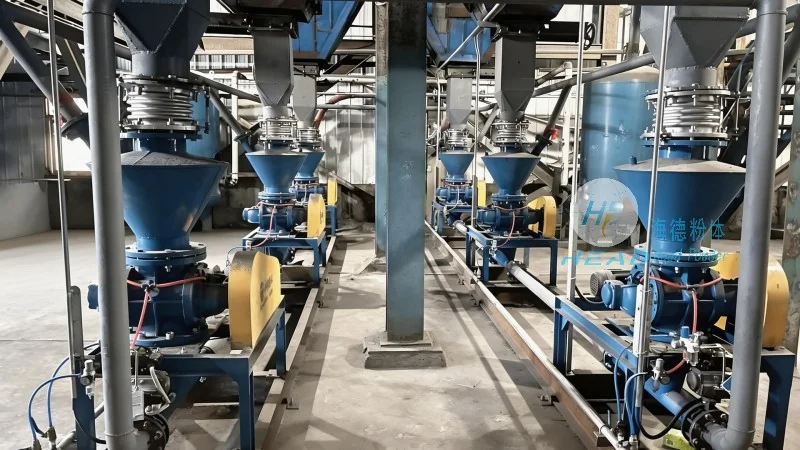
System Classification Based on Conveying Principle
Expanded clay aggregate pneumatic conveying systems can be broadly classified based on the conveying principle, which determines the system's design, performance, and application. The primary classifications include pressure systems, vacuum systems, and combined pressure-vacuum systems. Pressure systems, also known as positive pressure systems, operate by blowing air or gas into the conveying line, creating a pressure differential that propels the material. This type is commonly used for long-distance or high-capacity conveying, as it can maintain consistent material flow and handle abrasive or sticky materials. Vacuum systems, or negative pressure systems, create a vacuum in the receiving end, drawing material from the source through the conveying line. These systems are ideal for short-distance conveying or when the material needs to be collected from multiple points. Combined systems integrate both pressure and vacuum capabilities, allowing for flexible operation and the ability to handle both loading and unloading processes in a single setup. Each classification has distinct advantages and is selected based on factors like material characteristics, distance, and system complexity.
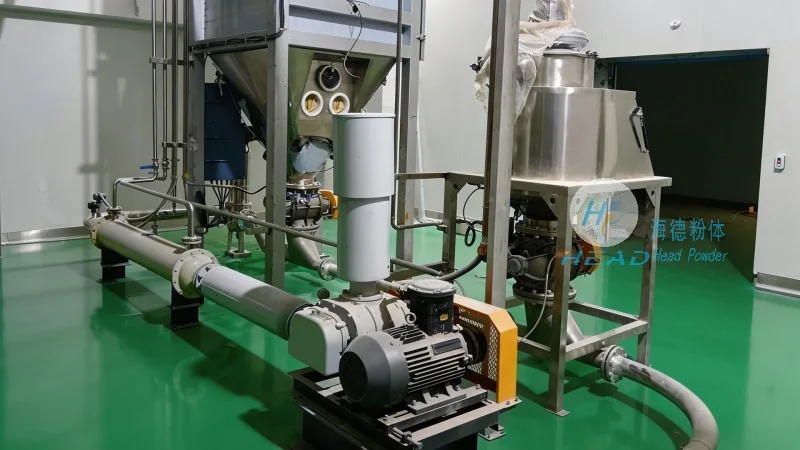
Key Components and Their Functions
The effectiveness of an expanded clay aggregate pneumatic conveying system depends on several key components, each playing a crucial role in the material transport process. The primary components include the material feed hopper, which stores and feeds the expanded clay aggregate into the system; the air compressor or vacuum pump, which generates the necessary pressure or vacuum; the conveying line, typically made of flexible or rigid tubing, which transports the material and air mixture; the separator, which separates the material from the air at the receiving end; and the material discharge hopper, which collects the conveyed material. The material feed hopper is designed to maintain a consistent flow rate, preventing blockages and ensuring smooth material introduction. The air compressor or vacuum pump must be appropriately sized to handle the system's air volume and pressure requirements, ensuring efficient material transport without excessive energy consumption. The conveying line's material and diameter are critical, as they affect the system's resistance to wear and its ability to maintain material flow. The separator is a vital component, as it must effectively separate the expanded clay aggregate from the air, minimizing material loss and ensuring the air is clean for re-use or discharge. The material discharge hopper is designed to handle the received material, preventing spillage and allowing for easy collection. Proper maintenance and operation of these components are essential to ensure the system's longevity and performance.
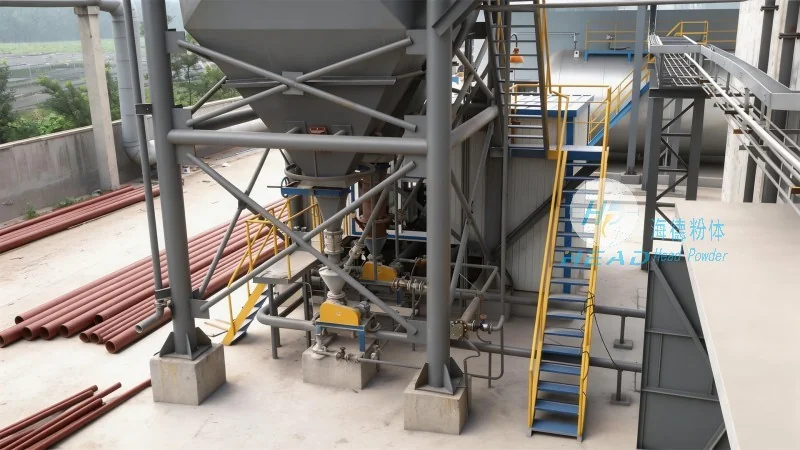
Application Analysis in Industrial Sectors
Expanded clay aggregate pneumatic conveying systems find wide application across various industrial sectors due to their adaptability and efficiency. In the construction industry, these systems are used to transport expanded clay aggregates for lightweight concrete production, providing a cost-effective and sustainable solution for building materials. The aggregates are conveyed from storage facilities to mixing plants, ensuring consistent material quality and reducing manual handling. In the agricultural sector, pneumatic conveying systems are employed to transport expanded clay aggregates used as soil amendments or mulch, facilitating the distribution of these materials across large agricultural areas. The systems allow for precise application rates, improving soil health and crop yields. In the chemical industry, these systems handle expanded clay aggregates used as filtration media or catalyst supports, transporting them from processing units to storage or application points. The systems' ability to handle abrasive materials without significant wear ensures long-term operational efficiency. In the mining industry, pneumatic conveying is used to transport expanded clay aggregates used as backfill or as a component in mine rehabilitation projects. The systems' flexibility in handling varying material sizes and moisture content makes them suitable for diverse mining applications. Each application leverages the system's ability to efficiently transport lightweight, granular materials while maintaining material integrity and system efficiency.
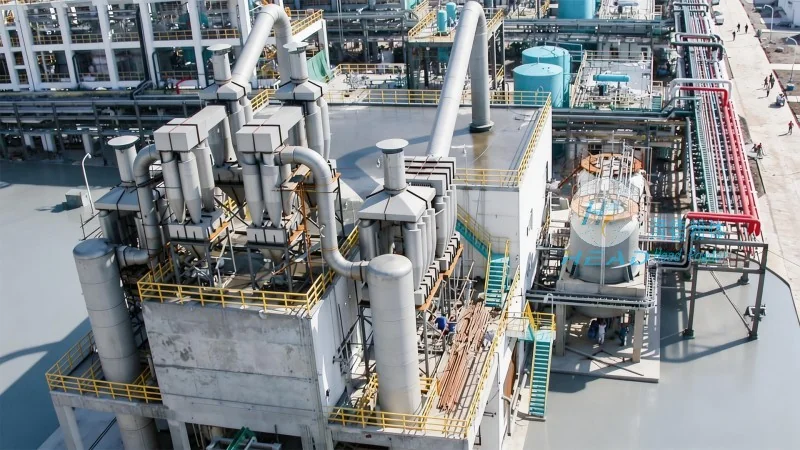
Advantages and Considerations for System Selection
When selecting an expanded clay aggregate pneumatic conveying system, several advantages and considerations must be evaluated. The primary advantages include reduced labor costs due to automated material handling, lower maintenance costs compared to mechanical systems, and the ability to handle materials in hazardous environments without exposing personnel to the material. The systems also offer flexibility in terms of layout and material handling, allowing for integration into existing industrial processes. However, there are considerations to keep in mind, such as the initial investment cost, which can be higher than traditional mechanical systems. The system's energy consumption must also be considered, as high air volume requirements can increase operational costs. Material characteristics, such as particle size, moisture content, and abrasiveness, significantly impact system performance and require careful system design. The distance and layout of the conveying route also influence system selection, as different classifications may be more suitable for specific distances. Environmental regulations regarding air emissions and material handling must also be considered, as some systems may require additional filtration or control measures. Overall, the selection of an expanded clay aggregate pneumatic conveying system requires a thorough analysis of operational needs, material characteristics, and cost factors to ensure optimal performance and efficiency.