

Classification and Application Analysis of Potash Fertilizer Pneumatic Conveying Systems
Potash fertilizer, a critical component in modern agricultural practices, requires efficient and reliable transportation systems to ensure optimal distribution and usage. Pneumatic conveying systems have emerged as a preferred solution for handling potash due to their ability to transport bulk materials with minimal dust, reduced labor costs, and enhanced safety. This article provides a comprehensive classification of potash fertilizer pneumatic conveying systems and analyzes their practical applications in various industrial and agricultural settings.
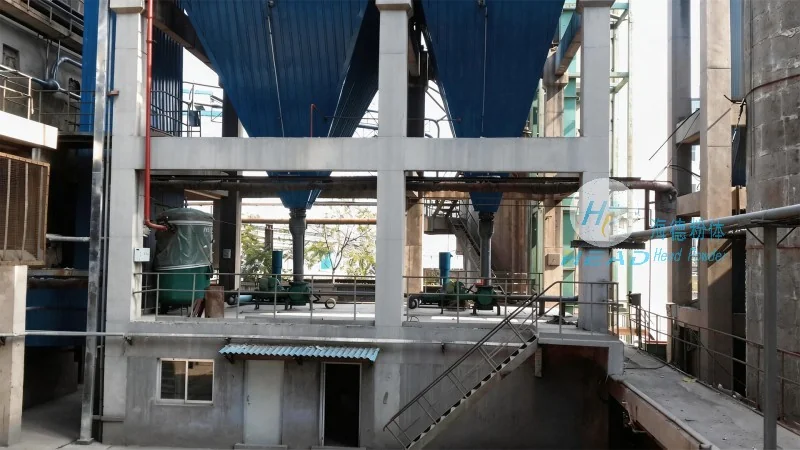
Introduction to Potash Fertilizer Pneumatic Conveying Systems
Potash, derived from potassium salts, is essential for plant growth and soil fertility. Traditional methods of transporting potash, such as trucks or belt conveyors, often face challenges like material degradation, high dust emissions, and operational inefficiencies. Pneumatic conveying systems offer a more advanced approach by utilizing air pressure to move potash particles through pipelines, addressing these issues effectively. These systems are designed to handle the unique characteristics of potash, including its granular or powder form, and ensure consistent flow rates and material quality.
Classification of Potash Fertilizer Pneumatic Conveying Systems
Potash fertilizer pneumatic conveying systems can be broadly classified into two main categories based on the air pressure used: positive pressure systems and negative pressure systems. Each type has distinct characteristics and is suitable for different operational requirements.
Positive Pressure Pneumatic Conveying Systems
Positive pressure systems operate by blowing air into the conveying line, creating a pressure higher than the ambient air pressure. This method is ideal for long-distance or high-capacity transport of potash. The system typically includes a blower, a material feed hopper, and a discharge unit. The positive pressure helps maintain the material's integrity and prevents contamination from external air. These systems are commonly used in large-scale fertilizer production facilities where bulk potash needs to be moved from storage to processing units or to distribution centers.
Negative Pressure Pneumatic Conveying Systems
Negative pressure systems, also known as vacuum conveying systems, operate by creating a vacuum in the conveying line, drawing potash particles into the system. This approach is suitable for shorter distances or when the material needs to be transported from a lower elevation to a higher one. Negative pressure systems are often preferred for handling fine potash powders or when the system requires a cleaner environment, as they minimize dust emissions at the source. They are commonly used in processing plants where potash is being transferred from hoppers to mixing or packaging equipment.
Hybrid Pneumatic Conveying Systems
Hybrid systems combine elements of both positive and negative pressure methods. They may use a positive pressure blower to move material over longer distances and then switch to a negative pressure section for fine-tuning or to handle specific challenges, such as changes in material flow or pipeline configuration. This flexibility makes hybrid systems suitable for complex potash transportation networks that require both high capacity and precise control.
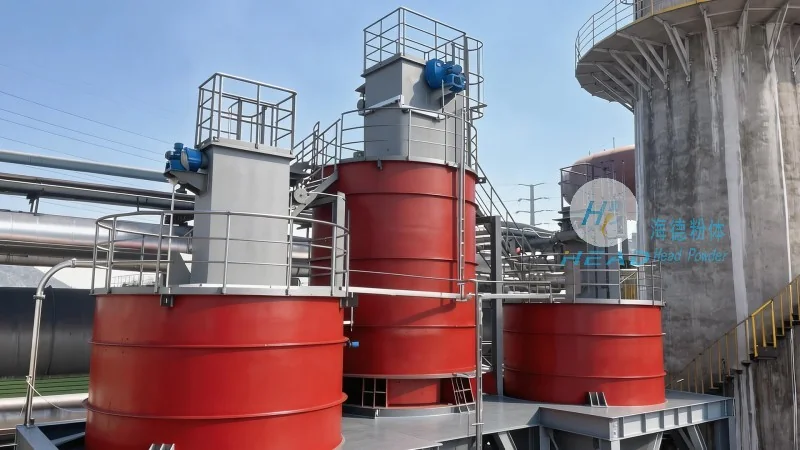
Application Analysis of Potash Fertilizer Pneumatic Conveying Systems
The choice of a pneumatic conveying system for potash depends on several factors, including the scale of operation, the type of potash (granular or powder), the distance of transport, and the specific requirements of the end application. The following sections analyze the typical applications of each system type in real-world scenarios.
Application in Large-Scale Fertilizer Production
In large-scale fertilizer production facilities, potash is often stored in bulk storage silos and needs to be conveyed to processing units for mixing with other nutrients. Positive pressure pneumatic conveying systems are commonly employed here due to their high capacity and ability to handle long distances. For example, a facility in China may use a positive pressure system to transport 100 tons of granular potash per hour from a storage silo to a mixing plant, ensuring a continuous and efficient production flow. The system's design, including a robust blower and a well-maintained pipeline network, minimizes downtime and maximizes operational efficiency.
Application in Agricultural Distribution Centers
For agricultural distribution centers, the need is to transport potash from production sites to various farms or retail outlets. Negative pressure systems are often preferred in this context, especially when the distance is shorter and the material is in powder form. These systems are used to move potash from a central warehouse to loading trucks or to storage bins at farms. The vacuum operation helps maintain the purity of the potash and reduces the risk of dust exposure for workers. A typical application might involve a negative pressure system transporting 20 tons of fine potash powder over a distance of 500 meters, ensuring that the material reaches its destination without degradation or contamination.
Application in Processing and Packaging
In the processing and packaging stages of potash, pneumatic conveying systems are used to transfer material from processing equipment to packaging machines. Hybrid systems are particularly useful here, as they can handle both the high-volume transport from processing units and the precise dosing required for packaging. For instance, a processing plant may use a hybrid system to move potash from a grinding mill to a packaging line, where the positive pressure section moves the bulk material and the negative pressure section ensures accurate dosing into bags or containers. This combination enhances the overall efficiency of the packaging process and reduces material waste.
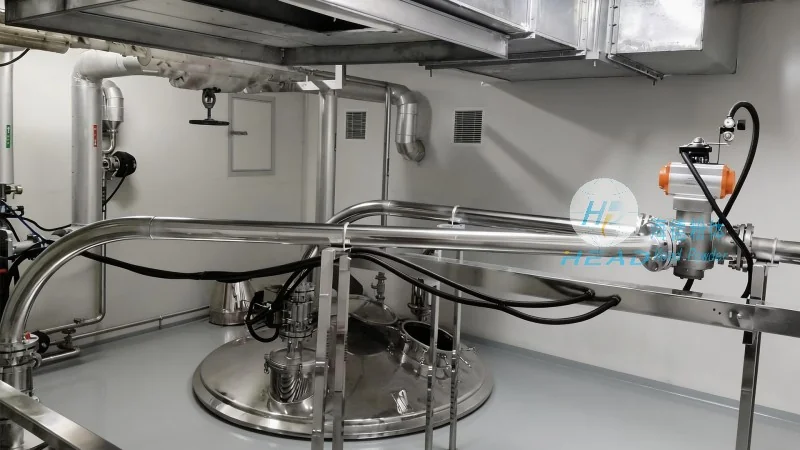
HeadPowder Engineering: Expert Solutions for Potash Pneumatic Conveying
Shandong HeadPowder Engineering Co., Ltd., a leading provider of industrial conveying solutions, specializes in designing and manufacturing customized potash pneumatic conveying systems. With a focus on innovation and customer-centric design, HeadPowder offers tailored solutions that meet the specific needs of potash handling operations. The company's expertise lies in understanding the unique properties of potash and developing systems that ensure optimal performance, reliability, and safety.
Customized System Design
HeadPowder engineers work closely with clients to understand their operational requirements, including the type of potash, production capacity, and transportation distances. Based on this information, they design systems that are optimized for efficiency and durability. For example, a client in China may require a system that handles both granular and powder potash, and HeadPowder will design a hybrid system that combines positive and negative pressure components to meet these dual needs. The company's design process includes detailed calculations of air flow rates, pipeline dimensions, and material flow characteristics to ensure the system operates at peak performance.
Advanced Technology and Materials
HeadPowder utilizes advanced technology and high-quality materials in the construction of its pneumatic conveying systems. The company employs state-of-the-art blower technology, such as centrifugal or positive displacement blowers, to ensure consistent air pressure and flow. The pipelines and components are made from corrosion-resistant materials, such as stainless steel or special alloys, to withstand the chemical properties of potash and prevent material degradation. Additionally, the company incorporates features like dust collection and filtration systems to maintain a clean and safe working environment.
Reliability and Maintenance
Reliability is a key consideration for potash pneumatic conveying systems, as downtime can lead to significant production losses. HeadPowder designs systems with built-in redundancy and easy maintenance features. The company provides comprehensive maintenance services, including regular inspections, component replacement, and system upgrades, to ensure the longevity and optimal performance of the equipment. This commitment to reliability has made HeadPowder a trusted partner for many potash handling operations in China and beyond.
Conclusion
Potash fertilizer pneumatic conveying systems play a vital role in modern agriculture by enabling efficient and safe transportation of this essential nutrient. The classification of these systems into positive, negative, and hybrid types allows for tailored solutions to meet diverse operational needs. The applications of these systems, ranging from large-scale production to agricultural distribution and processing, highlight their versatility and importance. With the expertise of companies like Shandong HeadPowder Engineering Co., Ltd., the industry can continue to advance, ensuring that potash is handled and distributed effectively to support global food production.