

Classification and Application Analysis of Rare Earth Crystal Powder Pneumatic Conveying Systems
HeadPowder, a leading enterprise in the field of material handling technology, specializes in the design, manufacturing, and application of pneumatic conveying systems for rare earth crystal powders. This article provides a comprehensive classification of these systems and an analysis of their practical applications, highlighting the technical advancements and industrial significance in handling such specialized materials.
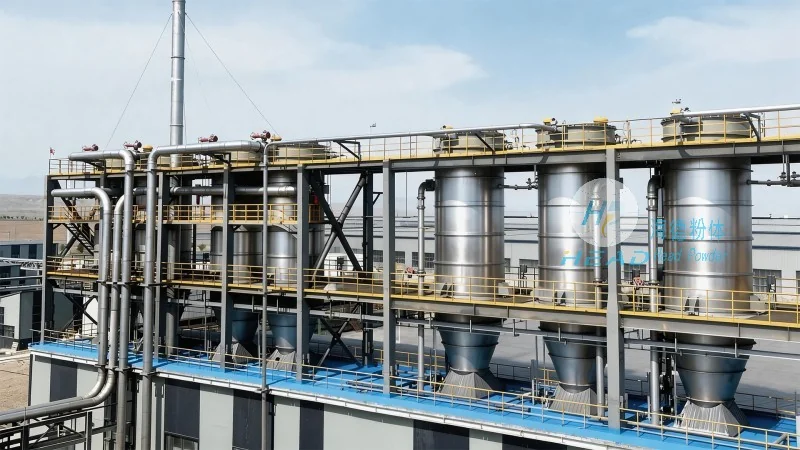
Classification of Pneumatic Conveying Systems for Rare Earth Crystal Powders
Based on the principles of air flow and material transport mechanisms, rare earth crystal powder pneumatic conveying systems can be broadly categorized into several types. The primary classification includes positive pressure systems, negative pressure systems, and hybrid systems. Each type has distinct characteristics and is suitable for different operational scenarios and material properties.
Positive pressure systems, as the name implies, operate by blowing air into the conveying line, creating a pressure higher than the ambient air. This method is effective for conveying materials over long distances and through complex piping networks. The system typically uses a blower or a positive displacement pump to generate the necessary pressure. For rare earth crystal powders, which are often fine and abrasive, positive pressure systems are preferred due to their ability to maintain consistent flow rates and minimize material degradation. The equipment used in positive pressure systems includes a hopper feeder, a rotary valve, a blower, and a filter system to ensure the material is transported efficiently and safely.
Negative pressure systems, on the other hand, operate by creating a vacuum in the conveying line, drawing the material from the source into the system. This approach is particularly useful for applications where dust control is critical, as the system draws material in rather than expelling it. However, negative pressure systems are generally less suitable for long-distance conveying due to the limitations of vacuum technology and the potential for air leakage. In the context of rare earth crystal powders, negative pressure systems are often employed in laboratory-scale or short-distance applications where the material is handled in controlled environments. The components of a negative pressure system include a vacuum pump, a filter, and a collection hopper.
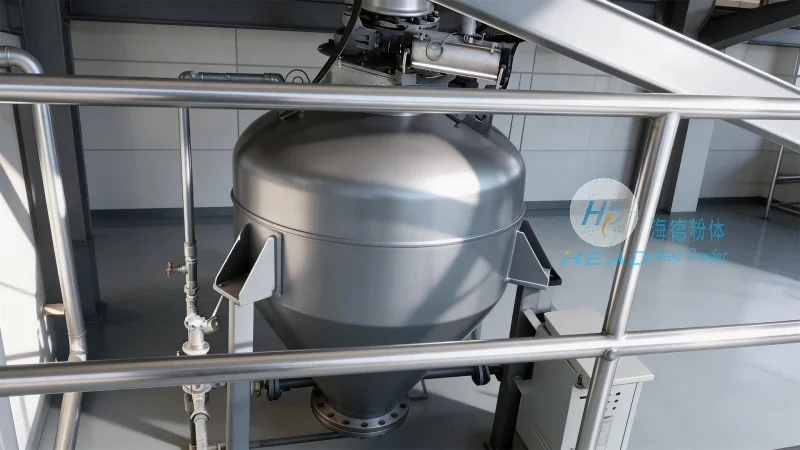
Hybrid systems combine elements of both positive and negative pressure systems, offering a flexible solution for various conveying needs. These systems can switch between positive and negative pressure modes depending on the operational requirements. For instance, a hybrid system might use positive pressure for the initial transport of material from a hopper and then switch to negative pressure for the final delivery to a processing unit. This flexibility makes hybrid systems ideal for complex production lines where different stages of material handling require different pressure conditions. In the case of rare earth crystal powders, hybrid systems are often used in large-scale industrial plants where the material is processed through multiple stages, each with specific conveying requirements.
Application Analysis of Rare Earth Crystal Powder Pneumatic Conveying Systems
The application of pneumatic conveying systems for rare earth crystal powders is widespread across various industries, including the rare earth processing, electronics, and renewable energy sectors. The choice of system type and configuration is influenced by factors such as material characteristics, processing requirements, and operational environment. For example, in the rare earth processing industry, where the material is often fine and has high abrasiveness, positive pressure systems are commonly used to ensure efficient and reliable transport. These systems are designed to handle the high wear and tear associated with rare earth powders, using durable materials such as stainless steel and special coatings to protect the equipment.
In the electronics industry, rare earth crystal powders are used in the production of magnets and other components. The pneumatic conveying systems used here must meet stringent quality control standards, as any contamination or degradation of the material can affect the performance of the final products. Therefore, systems with advanced filtration and cleaning capabilities are employed to maintain the purity of the material. The application in this sector often involves short-distance conveying from storage hoppers to mixing or sintering equipment, where the material is incorporated into the production process.
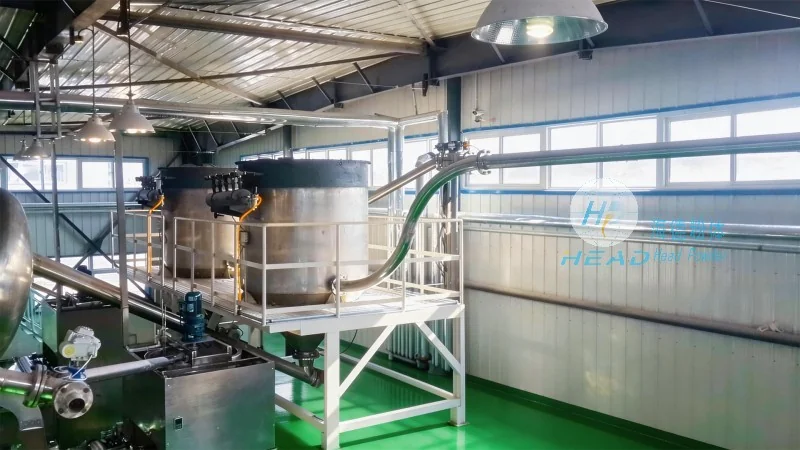
The renewable energy sector, particularly in the production of wind turbine components and solar panels, also utilizes rare earth crystal powders. The pneumatic conveying systems in this context are designed to handle large volumes of material efficiently, supporting the high throughput requirements of modern manufacturing facilities. The systems are often integrated with automated material handling processes, ensuring seamless operation from raw material storage to final product assembly. The use of advanced control systems allows for precise regulation of the conveying process, optimizing material flow and reducing operational costs.
Technical Advancements and Industrial Significance
Over the years, the technology behind rare earth crystal powder pneumatic conveying systems has undergone significant advancements, driven by the need for higher efficiency, lower maintenance costs, and improved material handling capabilities. Modern systems incorporate advanced control and monitoring technologies, such as sensors and automation software, to optimize performance and ensure consistent operation. These advancements have led to increased reliability and reduced downtime in industrial applications.
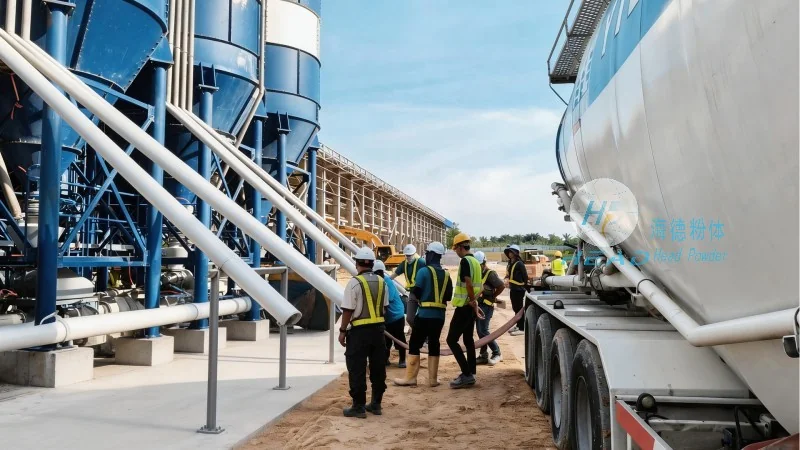
The industrial significance of these systems lies in their ability to handle specialized materials like rare earth crystal powders, which are critical components in many high-tech industries. The efficient and safe transport of these materials is essential for maintaining production continuity and meeting quality standards. By providing a reliable solution for material handling, pneumatic conveying systems contribute to the overall productivity and competitiveness of industries that rely on rare earth materials.
About Shandong HeadPowder Engineering Co., Ltd.
Shandong HeadPowder Engineering Co., Ltd., commonly known as HeadPowder, is a professional manufacturer and supplier of pneumatic conveying systems and related equipment. With a strong focus on research and development, the company has established itself as a leading provider in the material handling industry. HeadPowder's products are designed to meet the specific needs of various industries, including rare earth processing, electronics, and renewable energy. The company's commitment to quality, innovation, and customer satisfaction has earned it a reputation for excellence in the market.
HeadPowder's facilities are located in Shandong, China, where the company leverages its local resources and expertise to deliver high-quality products and services. The company's team of experienced engineers and technicians ensures that each system is tailored to the customer's requirements, providing customized solutions that enhance operational efficiency and reduce costs. With a strong emphasis on sustainability and environmental responsibility, HeadPowder's systems are designed to minimize energy consumption and reduce emissions, contributing to a greener industrial future.