

Components of Salt Pneumatic Conveying
Salt pneumatic conveying systems are sophisticated industrial solutions designed to transport bulk salt efficiently and safely. These systems are integral to various industries, including food processing, chemical manufacturing, and construction, where the reliable movement of salt is crucial for operational continuity. Understanding the components that make up such systems is essential for optimizing performance, ensuring safety, and maintaining efficiency in material handling operations.
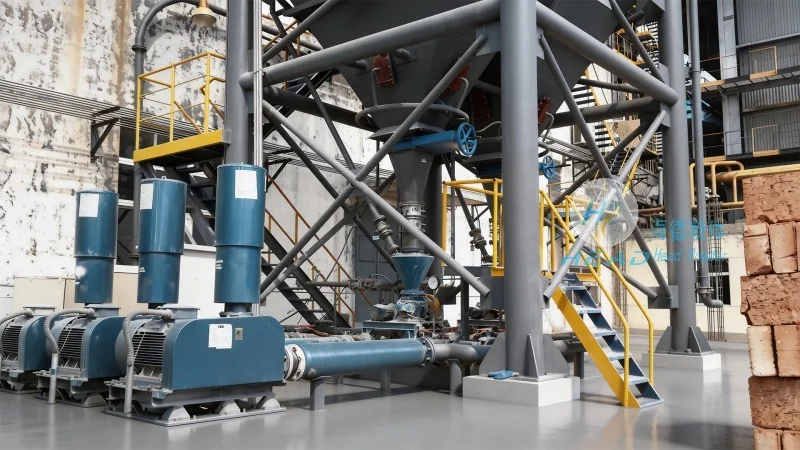
Key Components of a Salt Pneumatic Conveying System
The core components of a salt pneumatic conveying system work in concert to facilitate the transport of salt from a source to a destination. Each component plays a vital role in the overall functionality and reliability of the system. The primary elements typically include:
1. Air Supply System
The air supply system is the heart of any pneumatic conveying operation. It generates the necessary airflow to move the salt particles through the system. This system usually consists of a blower or compressor, which provides the pressure and volume of air required to overcome resistance and propel the material. For salt, which can be abrasive and may cause wear on equipment, selecting a high-quality blower with appropriate material compatibility is critical. The air supply system also includes filters and regulators to ensure clean, dry air is used, preventing contamination and maintaining system longevity.
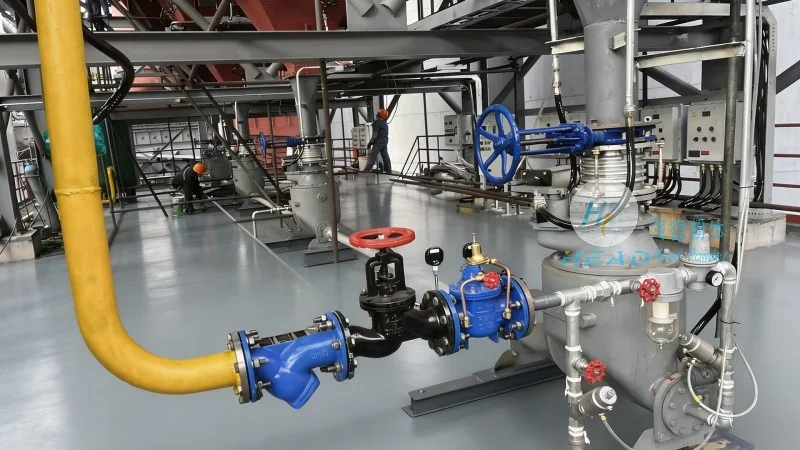
2. Conveying Lines and Tubing
The conveying lines, often made of stainless steel or other corrosion-resistant materials, form the pathway for the salt and air mixture. The design of these lines is critical to minimize pressure drop and ensure smooth flow. The diameter and length of the tubing are carefully selected based on the system's capacity and the type of salt being transported. For example, fine-grained salt may require smaller tubing to prevent clogging, while coarser salt might need larger diameters to maintain flow. The material of the tubing must be durable enough to withstand the abrasive nature of salt and the pressure generated by the air supply system. Additionally, the lines are often equipped with bends, elbows, and straight sections that are designed to minimize turbulence and maintain consistent air velocity, which is essential for efficient conveying.
3. Feeders and Hoppers
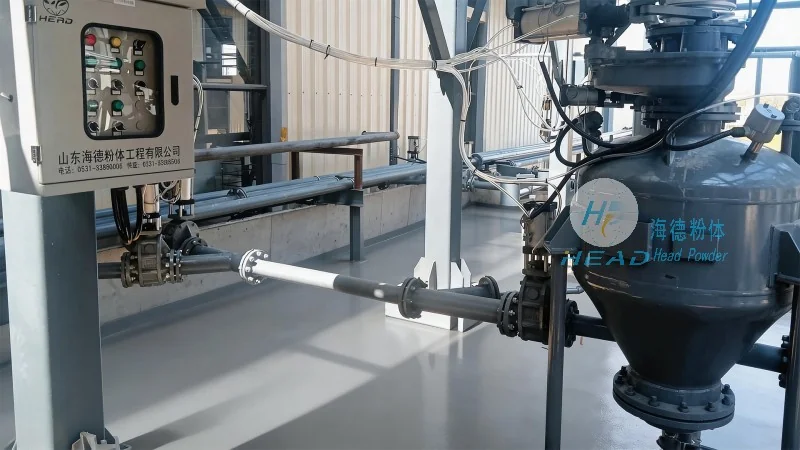
Feeders and hoppers are responsible for introducing the salt into the conveying system at a controlled rate. The hopper, typically made of stainless steel or other non-reactive materials, stores the salt and provides a consistent feed to the feeder. The feeder, which can be a rotary valve, screw feeder, or other type of metering device, regulates the flow of salt into the conveying line. This controlled feeding is crucial to prevent overloading the system, which can lead to blockages or increased wear on components. For salt, which can be hygroscopic (absorbing moisture from the air), the feeder and hopper are often designed with features to minimize exposure to ambient conditions, such as airtight seals and moisture-resistant materials. This helps maintain the quality of the salt and prevents clogging due to moisture absorption.
4. Separation and Collection Equipment
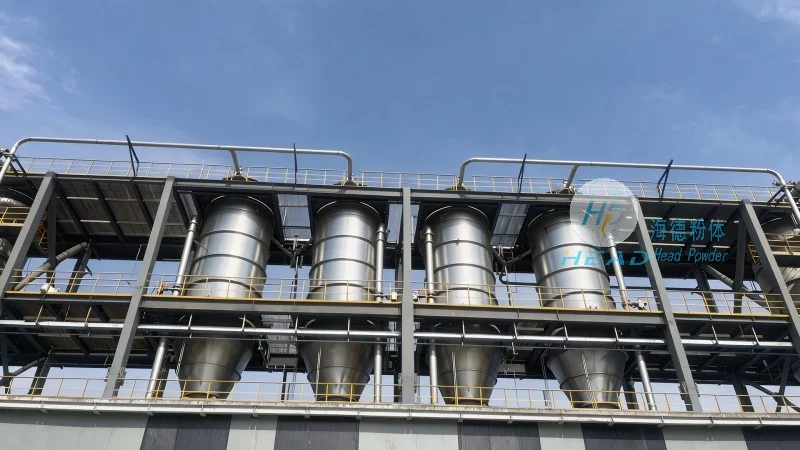
At the receiving end of the conveying system, separation and collection equipment is used to separate the salt from the air and collect it in a storage bin or container. The most common type of separator is a cyclone, which uses centrifugal force to separate the salt particles from the air stream. The cyclone works by directing the air and salt mixture into a cylindrical chamber, where the heavier salt particles are forced to the walls and fall to the bottom, while the air is discharged from the top. Other types of separators, such as bag filters or cartridge filters, may be used for finer particles or to ensure complete separation. The collected salt is then transferred to a storage bin or silo, which is typically made of stainless steel or other corrosion-resistant materials to prevent contamination and maintain the quality of the salt.
5. Control and Monitoring Systems
Modern salt pneumatic conveying systems are equipped with control and monitoring systems to ensure optimal operation and safety. These systems typically include sensors and controls that monitor parameters such as air pressure, flow rate, and temperature. The control system adjusts the air supply and feeder speed to maintain consistent conveying rates and prevent overloading or underloading. Additionally, safety features such as pressure relief valves and emergency shut-off switches are integrated into the system to protect against overpressure and other hazards. The monitoring system provides real-time data on the system's performance, allowing operators to identify and address issues before they become major problems. This level of control and monitoring is essential for maintaining the efficiency and reliability of the system over time.
Company Overview: Shandong HeadPowder Engineering Co., Ltd.
Shandong HeadPowder Engineering Co., Ltd., operating under the brand name headpowder, is a leading manufacturer and supplier of pneumatic conveying systems and related equipment. With a strong focus on innovation and quality, the company has established itself as a trusted partner in the industrial material handling sector. Headpowder specializes in designing and manufacturing custom pneumatic conveying solutions tailored to the specific needs of clients, including those in the salt industry. The company's products are known for their durability, efficiency, and reliability, making them suitable for a wide range of applications. Headpowder's commitment to customer satisfaction and technical excellence has earned it a reputation as a leading provider of industrial conveying solutions. The company's headquarters is located in Shandong, China, where it maintains state-of-the-art manufacturing facilities and a team of experienced engineers and technicians dedicated to developing cutting-edge solutions for its clients.