

Components of White Bean Slice Pneumatic Conveying
White bean slice pneumatic conveying systems are critical in food processing industries for efficiently handling and transporting white bean slices. These systems utilize air as the primary medium to move the material, offering significant advantages over traditional mechanical conveying methods, including reduced risk of contamination, improved hygiene standards, and enhanced operational safety. The components of such systems are carefully designed to ensure reliable and efficient operation, making them a preferred choice for facilities handling food products. Shandong HeadPowder Engineering Co., Ltd., a leading manufacturer based in China, specializes in the design and supply of high-quality pneumatic conveying systems tailored to meet the specific needs of food processing applications.
Key Components of White Bean Slice Pneumatic Conveying
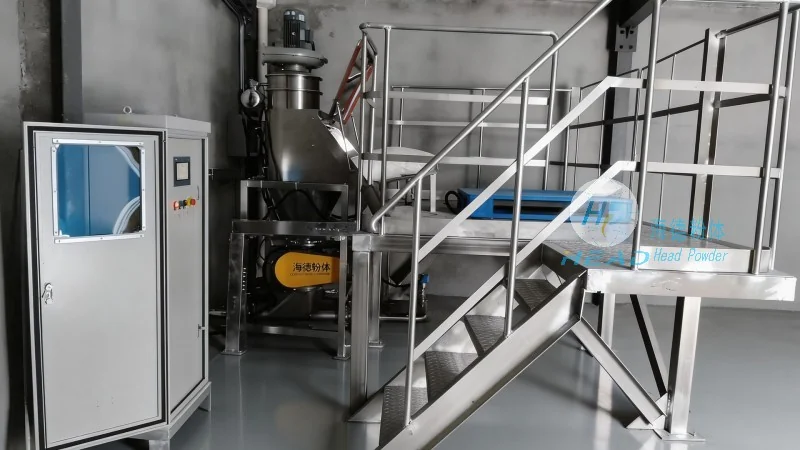
The core components of a white bean slice pneumatic conveying system include the material hopper, feeder, air compressor, conveying pipeline, and dust collection system. Each component plays a vital role in the overall functionality of the system. The material hopper stores the white bean slices and feeds them into the system at a controlled rate. The feeder, often a rotary valve or screw feeder, regulates the flow of the material into the conveying pipeline. The air compressor generates the necessary air pressure to move the material through the pipeline. The conveying pipeline, typically made of stainless steel or other corrosion-resistant materials, transports the white bean slices and air mixture. The dust collection system, including filters and cyclones, captures any airborne particles to maintain air quality and prevent contamination. Understanding these components is essential for optimizing performance and ensuring reliable operation in food processing facilities.
Material Hopper and Feeder System
The material hopper is a key component that stores the white bean slices before they are fed into the pneumatic conveying system. It is typically constructed from stainless steel or other corrosion-resistant materials to ensure durability and compliance with food safety regulations. The hopper is designed with a sloped bottom to facilitate the smooth discharge of the white bean slices, and it may include a lid to prevent dust and moisture from entering or leaving the system. The feeder, which is often a rotary valve or a screw conveyor, regulates the flow rate of the white bean slices into the conveying pipeline. The rotary valve, for example, rotates to open and close the discharge port, allowing precise control over the material flow. The screw conveyor, on the other hand, uses a rotating screw to push the white bean slices forward, providing a consistent and controlled discharge rate. Proper adjustment of the feeder is essential to maintain a stable flow rate, which directly impacts the system's efficiency and prevents blockages in the pipeline. The hopper and feeder are typically equipped with level sensors to monitor the material level and alert operators when the hopper is low, ensuring continuous operation without interruptions.
Air Compressor and Pressure Regulation
The air compressor is the heart of the pneumatic conveying system, responsible for generating the pressure needed to move the white bean slices. There are different types of air compressors, such as rotary screw compressors or reciprocating compressors, each with its own advantages in terms of efficiency and noise levels. The compressor is connected to the conveying pipeline through a pressure regulator and a filter to ensure clean air is used. The pressure regulator maintains a stable pressure within the system, which is crucial for consistent material transport. Proper maintenance of the air compressor, including regular oil changes and filter replacements, is essential to ensure reliable operation and prevent downtime. The air compressor is typically sized based on the required flow rate and pressure, ensuring it can handle the load without excessive strain.
Conveying Pipeline and Airflow Management
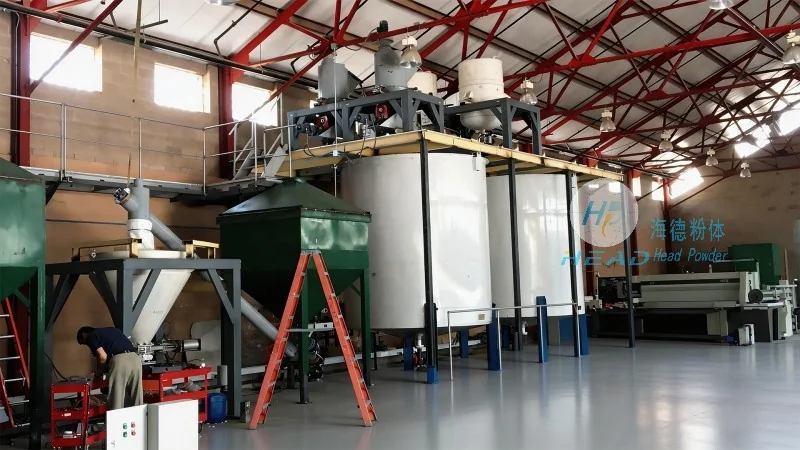
The conveying pipeline is a critical component that transports the white bean slices and air mixture. It is typically made of stainless steel or plastic, depending on the specific application and material properties. The pipeline is designed with appropriate bends and elbows to direct the flow of the material, and the diameter is chosen based on the required flow rate and material characteristics. Airflow management is essential to ensure that the air velocity is sufficient to carry the white bean slices without causing excessive wear on the pipeline or the material. The system may include airlocks or check valves to prevent backflow and maintain the direction of material movement. The pipeline is also equipped with pressure sensors to monitor the air pressure along the line, allowing operators to identify any blockages or leaks and take corrective action promptly.
Dust Collection and Filtration System
The dust collection system is designed to capture any airborne particles generated during the conveying process. This system typically includes a cyclone separator, which uses centrifugal force to separate the solid particles from the air, and a filter system, such as a baghouse or cartridge filter, to capture fine particles. The collected dust is then discharged into a collection bin for disposal. Maintaining the efficiency of the dust collection system is important to ensure compliance with environmental regulations and to prevent dust accumulation in the facility. Regular cleaning and replacement of filter elements are necessary to keep the system operating effectively. The cyclone separator is often the first stage of the dust collection system, removing larger particles, while the filter system captures smaller particles to ensure clean air is released back into the facility.
Control and Monitoring Systems
Modern white bean slice pneumatic conveying systems are equipped with control and monitoring systems to ensure optimal performance. These systems may include sensors to monitor pressure, flow rate, and material level, as well as control panels to adjust the system settings. The control system can be programmed to automatically adjust the feeder speed or compressor pressure based on the material flow, enhancing the system's efficiency and reducing the need for manual intervention. Additionally, the system may include alarms and safety features to alert operators of any issues, such as blockages or pressure drops, ensuring the safety of the facility and personnel. The control system may also include data logging capabilities to track system performance over time, allowing for predictive maintenance and further optimization of the conveying process.
Installation and Maintenance Considerations
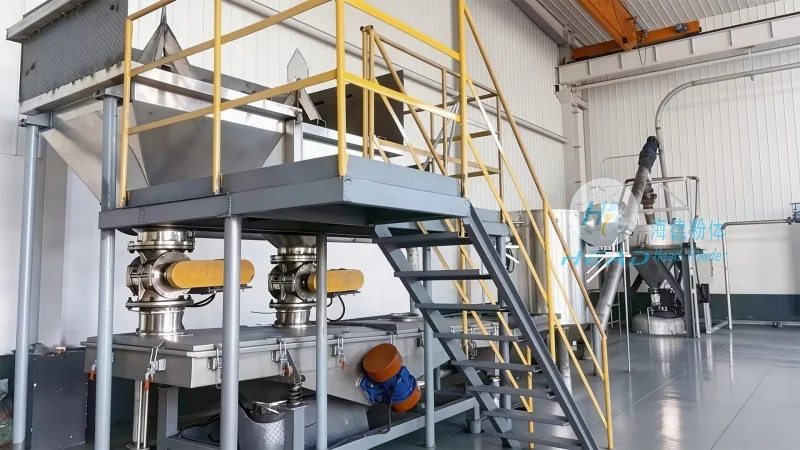
Proper installation and regular maintenance are crucial for the long-term performance of white bean slice pneumatic conveying systems. During installation, the pipeline should be aligned correctly to minimize pressure losses and prevent material buildup. All components should be properly secured and connected to ensure a leak-free system. Regular maintenance includes cleaning the hopper and feeder to prevent material buildup, checking the air compressor for oil leaks and filter clogs, and inspecting the conveying pipeline for signs of wear or damage. The dust collection system should also be cleaned regularly to maintain its efficiency. By following proper installation and maintenance procedures, facilities can ensure that their pneumatic conveying systems operate reliably and efficiently, minimizing downtime and maximizing productivity.
Benefits of White Bean Slice Pneumatic Conveying
White bean slice pneumatic conveying systems offer several benefits over traditional mechanical conveying methods. These include reduced contamination risk due to the enclosed system, improved hygiene standards as the material is not exposed to the environment, and enhanced safety as there are no moving parts in direct contact with the product. The systems also offer flexibility in terms of layout, as the pipeline can be installed in various configurations to fit the space constraints of the facility. Additionally, pneumatic conveying systems can handle a wide range of material sizes and shapes, making them suitable for diverse food processing applications. The efficiency of the system, with its ability to transport material over long distances with minimal energy consumption, also contributes to cost savings for facilities.
Conclusion
In summary, white bean slice pneumatic conveying systems are essential in food processing industries for efficiently and safely transporting white bean slices. The components of such systems, including the material hopper, feeder, air compressor, conveying pipeline, and dust collection system, work together to ensure reliable operation. Proper design, installation, and maintenance of these systems are critical to maximize their performance and lifespan. Shandong HeadPowder Engineering Co., Ltd. provides high-quality pneumatic conveying systems tailored to meet the specific needs of food processing facilities, ensuring optimal performance and compliance with industry standards.