

Components of Industrial Salt Pneumatic Conveying
Industrial salt pneumatic conveying systems are integral to modern material handling processes, particularly in industries that rely on bulk salt transportation. The effective operation of such systems hinges on a well-designed and integrated set of components that work in harmony to ensure efficient, reliable, and safe material movement. Understanding the key components of industrial salt pneumatic conveying is crucial for optimizing performance and maintaining operational efficiency.
Core Components of Industrial Salt Pneumatic Conveying Systems
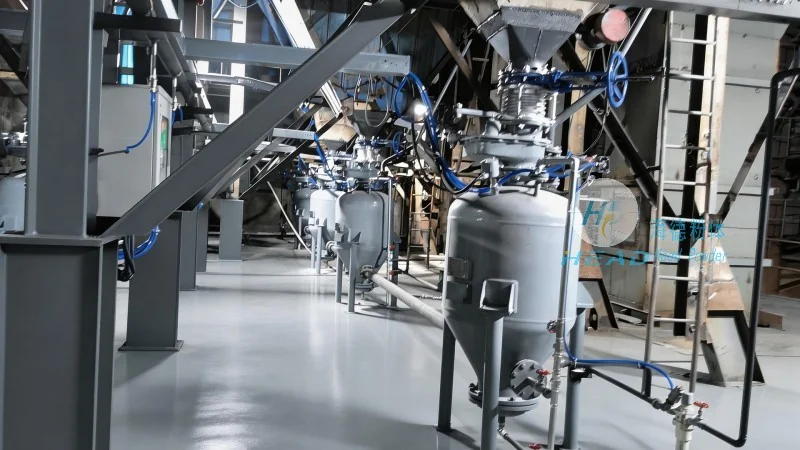
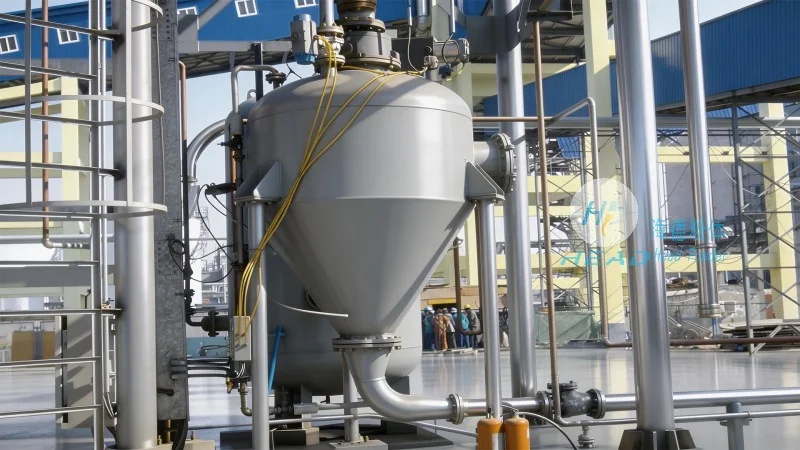
At the heart of any industrial salt pneumatic conveying system lies a series of interconnected components that facilitate the transport of salt from its source to the destination. These components are engineered to handle the unique properties of salt, such as its granular nature and potential for dust generation, ensuring that the conveying process is both efficient and safe. The primary components typically include the following:
1. Material Hopper and Feeder
The material hopper serves as the initial storage and feeding unit for the industrial salt. It is designed to hold a sufficient quantity of salt to maintain a steady flow to the conveying system. The hopper is equipped with a feeder mechanism, often a rotary valve or a screw feeder, which regulates the discharge of salt into the conveying line. This component is critical as it controls the rate of material introduction, preventing overloading or underloading of the system. The design of the hopper and feeder must account for the salt's bulk density and flow characteristics to ensure consistent and reliable feeding.
2. Conveying Line and Tubing
The conveying line, typically made of stainless steel or other corrosion-resistant materials, forms the main pathway for the salt particles. The tubing is carefully selected to withstand the abrasive nature of salt and to minimize pressure drop during transport. The length and diameter of the line are determined based on the distance to be covered and the required flow rate. In industrial applications, the line may include bends, elbows, and vertical sections, each designed to maintain the salt's momentum and prevent settling or blockages. Properly sized and maintained tubing is essential for minimizing energy consumption and ensuring smooth material movement.
3. Air Supply System
The air supply system provides the necessary pressure and volume of air to move the salt particles through the conveying line. This system typically includes a blower or a positive displacement compressor, which generates the required airflow. The air is filtered and conditioned to remove contaminants that could damage the system or affect the quality of the salt. The system is also equipped with pressure regulators and flow meters to monitor and control the air pressure and volume, ensuring consistent performance. The choice of air supply equipment depends on the system's capacity and the distance of the conveying line, with larger systems requiring more powerful and efficient compressors.
4. Dust Collection and Filtration
Due to the granular nature of salt, dust generation is a common issue in pneumatic conveying systems. To maintain a clean and safe working environment, a dust collection and filtration system is essential. This system typically includes a cyclone separator or a baghouse filter, which captures the salt particles from the exhaust air. The collected salt is then returned to the hopper, while the clean air is discharged to the atmosphere. The filtration system must be designed to handle the abrasive properties of salt and to prevent clogging, ensuring long-term operational reliability. Regular maintenance of the dust collection equipment is crucial to prevent system inefficiencies and to protect the environment.
5. Control and Monitoring Systems
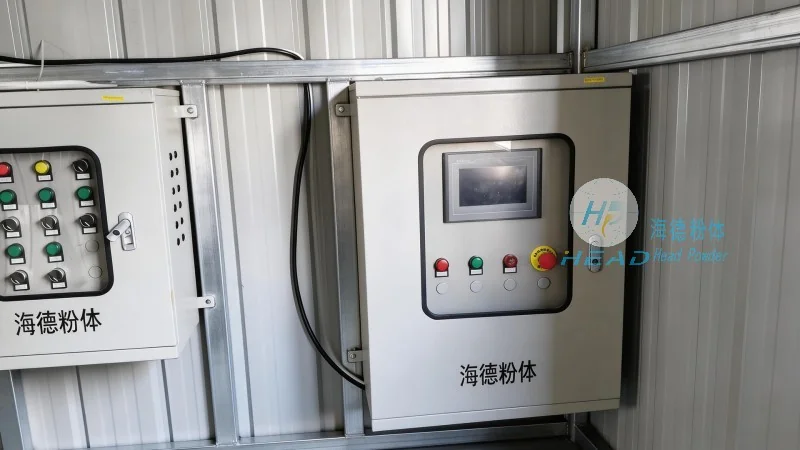
Modern industrial salt pneumatic conveying systems are equipped with advanced control and monitoring systems to optimize performance and ensure safety. These systems include sensors and controllers that monitor parameters such as pressure, flow rate, and temperature. The control system adjusts the operation of the feeder, blower, and other components based on real-time data, ensuring that the system operates within its optimal range. Additionally, the monitoring systems provide alerts and alarms for any abnormalities, such as pressure drops or overloads, allowing for timely maintenance and preventing system failures. The integration of automation and digital controls enhances the system's efficiency and reduces the need for manual intervention, making it more reliable and cost-effective.
6. Accessories and Ancillary Equipment
Beyond the core components, industrial salt pneumatic conveying systems may include various accessories and ancillary equipment to enhance functionality and adapt to specific operational needs. These may include surge hoppers to buffer fluctuations in material supply, expansion joints to accommodate thermal movement in the line, and check valves to prevent backflow. Additionally, the system may include cleaning tools and maintenance equipment to ensure regular upkeep and to address any issues that may arise. The selection of these accessories depends on the specific application and the operational environment, ensuring that the system is tailored to meet the unique requirements of the industrial process.
Conclusion
Industrial salt pneumatic conveying systems are complex and highly integrated, with each component playing a vital role in the overall performance of the system. From the material hopper and feeder to the air supply and dust collection systems, every part is designed to work together to ensure efficient and reliable salt transportation. The expertise of companies like Shandong HeadPowder Engineering Co., Ltd. is critical in designing and implementing these systems, as they bring together the necessary engineering knowledge and experience to optimize the components and ensure long-term operational success. By understanding the key components and their functions, industries can better manage their material handling processes and achieve improved efficiency and productivity.