

What is Cereal Pneumatic Conveying? Introduction to the Working Principle of Powder Handling Systems
Cereal pneumatic conveying is a sophisticated method used in the handling and transportation of bulk powders, such as cereals, grains, and other dry particulate materials. This technology, often referred to as pneumatic conveying, leverages the principles of fluid dynamics to move materials through a system of pipes using air or other gases. The process is integral to industries that require efficient, dust-free, and continuous transfer of powders, ensuring product integrity and operational efficiency.
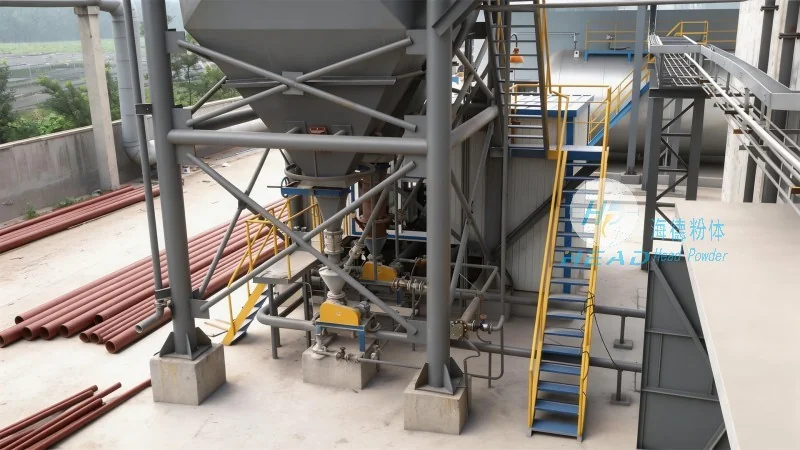
The Working Principle of Pneumatic Conveying Systems
At the core of a pneumatic conveying system is the transfer of material from a source to a destination through a pipeline. The system typically consists of a hopper or feeder, a conveying line, a receiver, and a blower or compressor. The process begins when the material is fed into the system, often under pressure or by gravity, and is then introduced into the conveying line. A blower generates the necessary airflow, which carries the particles along the pipeline. The velocity and pressure of the air determine the efficiency and capacity of the conveying system. As the material travels through the line, it may encounter various components like bends, filters, and cyclones to ensure smooth and clean transfer. The receiver at the end of the line collects the material, while the air is either filtered and recirculated or vented to the atmosphere, depending on the system design.
Key Components and Their Roles in Cereal Pneumatic Conveying
Several critical components work in tandem to ensure the effective operation of a pneumatic conveying system for cereals. The feeder is responsible for controlling the flow rate of the material into the system, preventing overloading or underloading that could affect the conveying efficiency. The conveying line is usually made of materials like stainless steel or plastic, chosen for their resistance to corrosion and wear from the particulate material. The blower or compressor provides the necessary air pressure and volume to move the material. In some systems, a cyclone separator is used to separate the material from the air stream, ensuring that the material is deposited accurately in the receiver. Additionally, filters are essential to maintain air quality and prevent dust from escaping into the environment, which is crucial for compliance with environmental regulations and for maintaining a clean working environment.
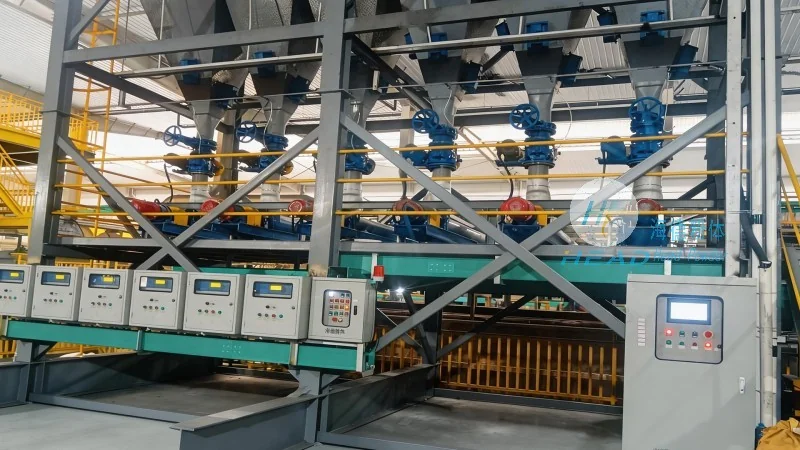
Advantages of Using Pneumatic Conveying for Cereal Handling
Implementing pneumatic conveying systems for cereal handling offers numerous advantages over traditional methods like belt conveyors or bucket elevators. One of the primary benefits is the ability to handle materials in a dust-free environment, which is vital for maintaining product quality and preventing contamination. The system is also highly flexible, allowing for changes in the layout or direction of material flow without major modifications. Additionally, pneumatic conveying can be integrated with other processing equipment, such as mixers or packaging machines, creating a seamless production line. The technology is also energy-efficient compared to some other methods, as it minimizes material degradation and reduces the need for additional cleaning steps. Furthermore, the system can handle a wide range of particle sizes and densities, making it suitable for various cereal products, from fine powders to larger granules.
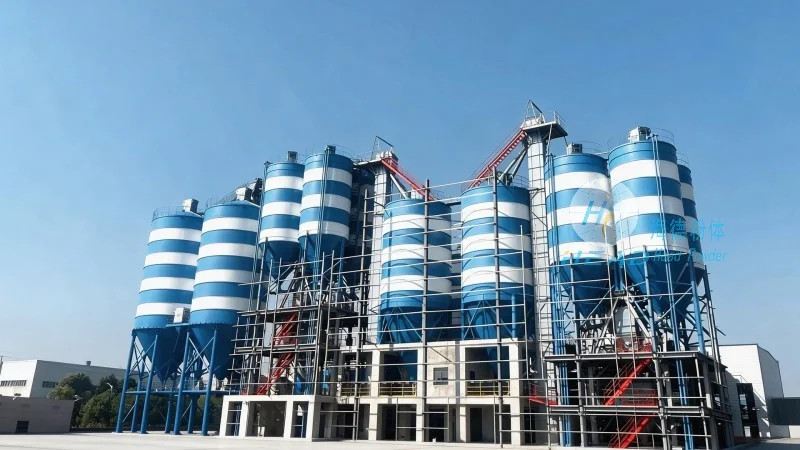
Applications in the Cereal Industry
Pneumatic conveying systems are widely used in the cereal industry for a variety of applications. In flour mills, they are used to transport raw materials like wheat and other grains from storage silos to processing equipment. In breakfast cereal production, the system efficiently moves ingredients like oats, corn, and sugar from storage to mixing and packaging lines. Additionally, in the production of powdered cereals or nutritional supplements, pneumatic conveying ensures that the final product is free from contamination and maintains its nutritional value. The technology is also employed in the handling of by-products and waste materials from the cereal processing industry, providing a clean and efficient method for their disposal or recycling.
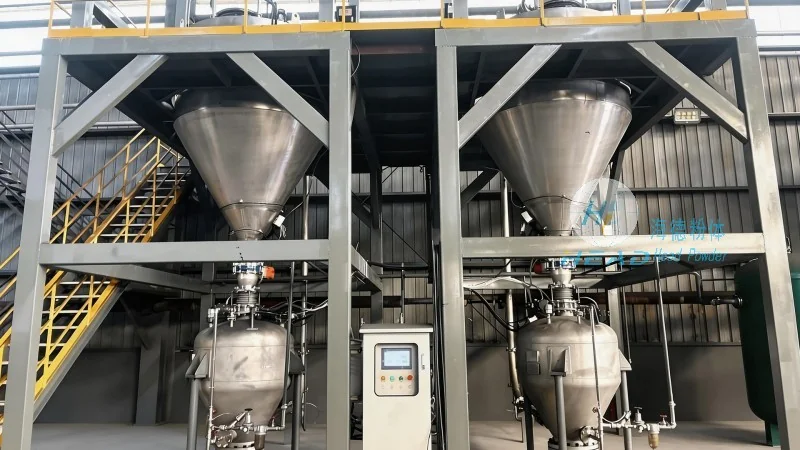
Considerations for Selecting a Pneumatic Conveying System
When selecting a pneumatic conveying system for cereal handling, several factors must be considered to ensure optimal performance and cost-effectiveness. The first consideration is the material characteristics, including particle size, density, and moisture content. These factors influence the choice of system type, such as pressure or vacuum conveying, and the design of components like the feeder and cyclone. The system capacity is another critical factor, as it determines the amount of material that can be conveyed per hour. This is essential for matching the production requirements of the facility. The layout and space constraints of the facility also play a role, as the system design must fit within the available space while ensuring smooth material flow. Additionally, maintenance and operational costs should be evaluated, as the system must be easy to maintain and operate to minimize downtime and operational expenses. Finally, environmental regulations and compliance with local laws regarding dust and air emissions must be considered, as proper filtration and ventilation are essential for a sustainable operation.
Conclusion: The Role of Pneumatic Conveying in Modern Cereal Processing
Pneumatic conveying has become an indispensable technology in the modern cereal processing industry, offering a reliable and efficient method for handling and transporting bulk powders. By leveraging the principles of fluid dynamics, these systems ensure that cereal products are transferred with minimal contamination, maintaining their quality and nutritional value. The technology's flexibility, adaptability, and energy efficiency make it a preferred choice for many manufacturers. As the industry continues to evolve, the importance of efficient material handling systems like pneumatic conveying will only grow, ensuring that cereal products are produced and delivered to consumers in a safe, clean, and sustainable manner. Companies like Shandong HeadPowder Engineering Co., Ltd., based in China, specialize in designing and manufacturing such systems, providing tailored solutions to meet the diverse needs of the cereal industry.