

What is Hay and Material Pneumatic Conveying? An Introduction to the Working Principle of Powder Han
For agricultural and industrial applications, efficiently transporting bulk materials like hay, powders, and granules is crucial. Pneumatic conveying systems offer a versatile solution that leverages air pressure to move these materials through pipelines. This article explores the fundamental principles behind pneumatic conveying, focusing on how systems like those used for hay and other powders operate to ensure reliable material transport.
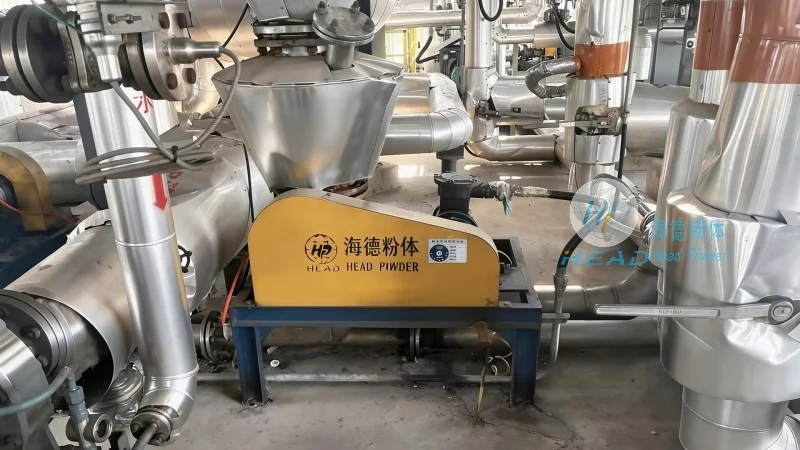
Understanding Pneumatic Conveying Technology
Pneumatic conveying, also known as air conveying, is a method of transporting bulk materials by suspending them in a stream of air and moving them through a pipeline. The core components of a pneumatic conveying system typically include a material feed hopper, a conveying line, a control valve, and a discharge point. The system uses compressed air or gas to create a flow that carries the material particles through the system. There are two main types of pneumatic conveying: dilute phase and dense phase. Dilute phase systems use higher air velocities to keep particles suspended, while dense phase systems use lower velocities and higher pressure to push the material through the line.
Key Components of a Pneumatic Conveying System
The effectiveness of a pneumatic conveying system depends on several critical components. The material feed hopper is designed to store and meter the bulk material, ensuring a consistent flow into the system. The conveying line, often made of stainless steel or other corrosion-resistant materials, is where the material is transported. Control valves, such as rotary airlocks or slide gates, regulate the flow of material and air, preventing backflow and maintaining system pressure. The discharge point, which can be a collection bin or a processing unit, receives the material at the end of the conveying line.
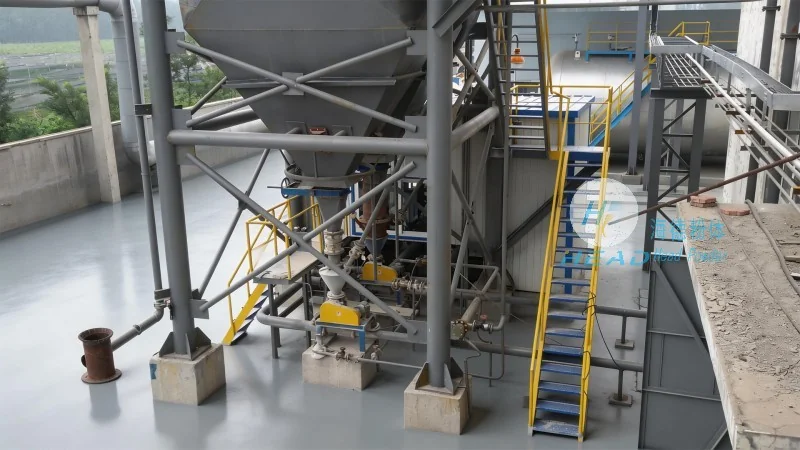
How Pneumatic Conveying Works for Hay and Powders
When handling hay or other fibrous powders, the pneumatic conveying system must be adapted to accommodate the unique properties of these materials. The system uses a combination of air pressure and velocity to lift and move the material through the pipeline. The feed hopper may include a pre-processing step, such as a pre-screening or conditioning chamber, to ensure the material is in the right form for transport. The conveying line is often equipped with bends and turns that are designed to minimize material degradation and ensure smooth flow. The control valves are calibrated to maintain the correct air-to-material ratio, which is essential for efficient and reliable transport.
Benefits of Using Pneumatic Conveying for Hay Handling
Implementing a pneumatic conveying system for hay and other bulk materials offers several advantages. First, it provides a dust-free and hygienic method of transport, which is critical in food processing and agricultural applications. The enclosed system prevents contamination and reduces the risk of material loss. Second, pneumatic conveying systems are highly flexible, allowing for changes in material flow rates and destinations without major modifications. This adaptability makes them suitable for various production scales, from small-scale farms to large industrial operations. Third, the system can be integrated with other processing equipment, such as mixers or dryers, to create a seamless material handling workflow. This integration improves overall efficiency and reduces labor costs.
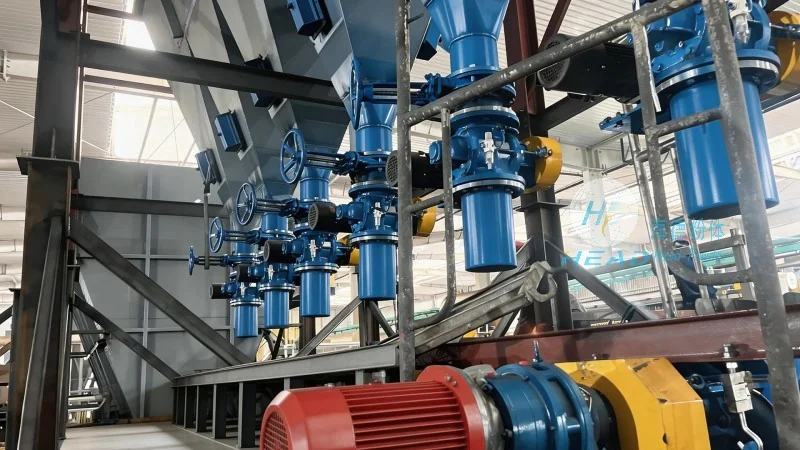
Applications of Pneumatic Conveying in the Agricultural Industry
Pneumatic conveying systems are widely used in the agricultural sector for handling hay, feed, and other bulk materials. In hay processing facilities, the system can transport cut hay from bales to storage silos or processing units. This reduces the need for manual handling and improves the speed of material movement. For feed mills, pneumatic conveying is used to transport raw materials like grains and additives to mixing and grinding equipment. The system ensures a consistent supply of materials, which is essential for maintaining product quality. Additionally, in livestock operations, pneumatic conveying can be used to distribute feed to different pens or barns, improving animal care and operational efficiency.
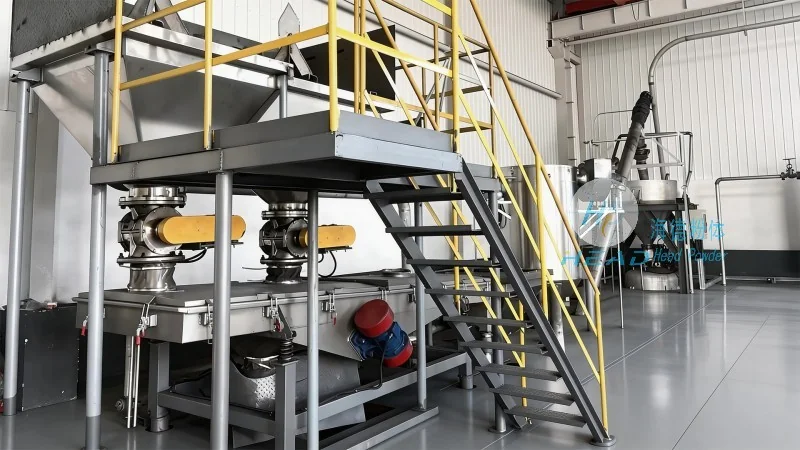
Choosing the Right Pneumatic Conveying System for Your Needs
When selecting a pneumatic conveying system for hay or powder handling, several factors should be considered. The first is the type of material being transported, as different materials have varying properties that affect system design. For example, fibrous materials like hay may require a system with larger particle handling capabilities and more robust components. The second factor is the distance and layout of the conveying line, as this will determine the required air pressure and line diameter. The third factor is the desired flow rate, as this will impact the size of the feed hopper and control valves. Working with a specialized engineering company, such as Shandong HeadPowder Engineering Co., Ltd., can help ensure that the system is designed to meet specific operational requirements and provide long-term reliability.
Conclusion: The Role of Pneumatic Conveying in Efficient Material Handling
Pneumatic conveying systems offer a reliable and efficient solution for transporting hay and other bulk materials. By understanding the working principles and key components of these systems, businesses can make informed decisions about implementing the right technology for their operations. The benefits of using pneumatic conveying, including dust-free transport, flexibility, and integration with other equipment, make it a valuable investment for agricultural and industrial applications. As a leading provider of powder handling solutions, Shandong HeadPowder Engineering Co., Ltd. specializes in designing and manufacturing pneumatic conveying systems tailored to the unique needs of their clients, ensuring optimal performance and durability.