

What is Grain Pneumatic Conveying? An Introduction to the Working Principle of Powder Handling Syste
Grain pneumatic conveying, also known as pneumatic powder handling, is a method used to transport bulk materials like grains, powders, and granules through a pipeline using air or gas as the conveying medium. This technology has become a cornerstone in modern material handling, offering efficient and flexible solutions for industries involved in grain processing, food production, and bulk material transport. The working principle of such systems is based on the movement of material particles suspended in a moving air stream, enabling the transfer of materials from one location to another without the need for mechanical components like belts or buckets.
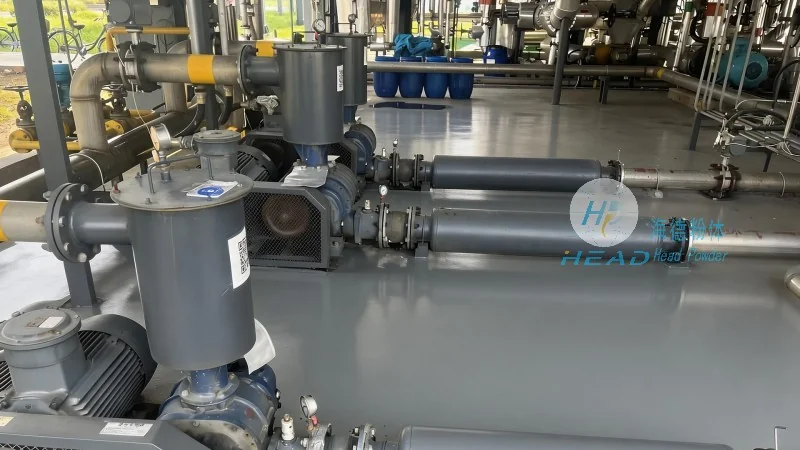
HeadPowder, a leading provider in the field of bulk material handling solutions, specializes in designing and manufacturing advanced pneumatic conveying systems tailored for grain and powder applications. With a strong presence in Shandong, China, HeadPowder Engineering Co., Ltd. has established itself as a trusted partner for businesses seeking reliable and efficient material transport solutions. The company's expertise lies in understanding the unique challenges of grain handling and developing customized systems that meet the specific requirements of each client.
Working Principle of Pneumatic Conveying Systems
The core of a pneumatic conveying system is the creation of a pressure differential that propels the material through the pipeline. There are two primary types of pneumatic conveying: pressure and vacuum systems. In a pressure system, air is compressed and introduced into the conveying line at a higher pressure than the ambient environment, pushing the material forward. Conversely, a vacuum system uses a vacuum pump to create a lower pressure at the receiving end, drawing the material into the pipeline. The material is typically fed into the system using a hopper or feeder, and the air flow is controlled to ensure optimal particle suspension and minimal pressure drop along the pipeline.
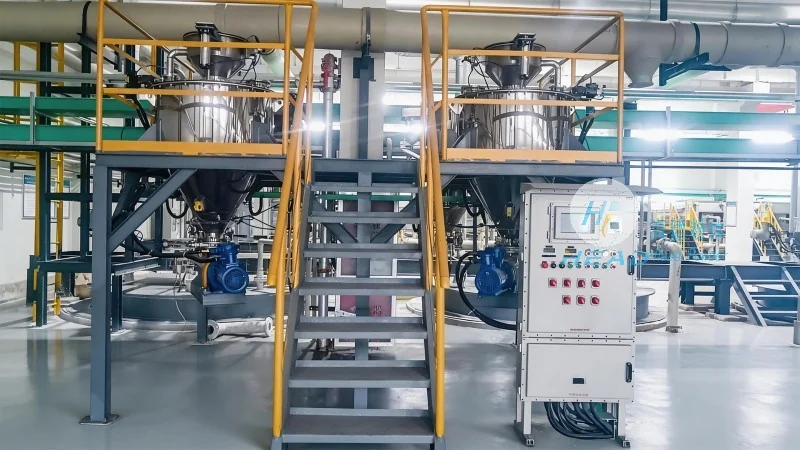
Key Components of a Pneumatic Conveying System
A typical pneumatic conveying system consists of several essential components that work in tandem to ensure efficient material transport. These include the material feed hopper, which holds the grain or powder and provides a controlled feed rate; the conveying line, which is usually made of stainless steel or other corrosion-resistant materials to handle the abrasive nature of grains; the air mover, which can be a positive displacement blower or a centrifugal fan, depending on the system design and pressure requirements; the control valves and regulators, which manage the air flow and pressure to maintain system stability; and the receiving hopper or silo, where the material is deposited at the end of the conveying line. Each component plays a critical role in the overall performance and reliability of the system.
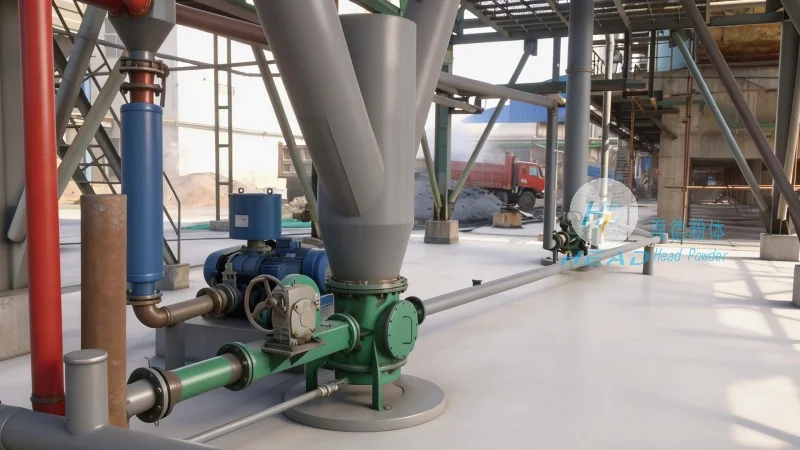
Advantages of Pneumatic Conveying for Grain Handling
Compared to traditional mechanical conveying methods, pneumatic conveying offers several advantages that make it ideal for grain processing applications. One of the most significant benefits is the ability to handle a wide range of grain types and particle sizes without the need for additional processing. The system can transport materials over long distances with minimal energy consumption, and it is highly flexible, allowing for changes in the conveying route or capacity without major modifications. Additionally, pneumatic conveying systems are relatively compact and can be installed in confined spaces, making them suitable for modern grain processing facilities with limited floor space. The technology also reduces the risk of contamination and product degradation, as the material is enclosed within the pipeline, protecting it from dust, moisture, and external pollutants.
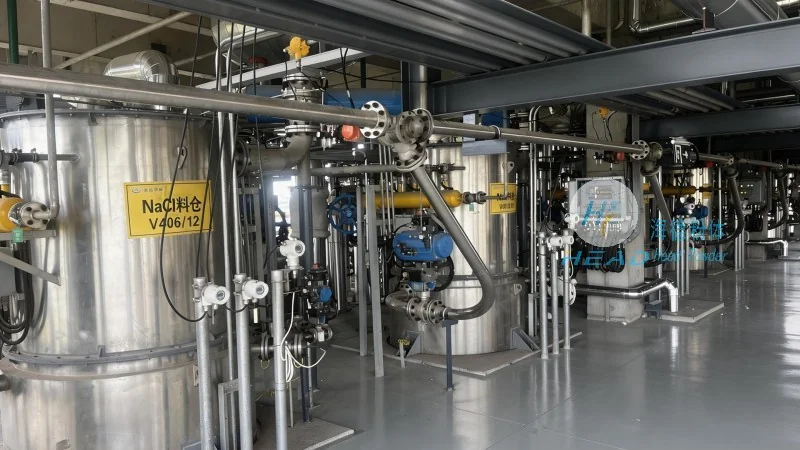
Application Examples in Grain Processing
HeadPowder's pneumatic conveying systems are widely used in various stages of grain processing, from raw material handling to finished product storage. For instance, in a flour mill, the system can transport wheat or other grains from the storage silos to the milling equipment, ensuring a continuous and efficient supply of raw materials. In a feed mill, pneumatic conveying is used to transport feed ingredients, such as corn, soybeans, and additives, to the mixing and extrusion equipment. The technology is also applied in grain storage facilities, where it helps in transferring grain from the field to the storage silos or from one silo to another for inventory management. By leveraging the expertise of HeadPowder Engineering Co., Ltd., businesses can optimize their grain handling processes, improve operational efficiency, and reduce costs associated with material transport.
Conclusion
Grain pneumatic conveying systems represent a sophisticated and efficient solution for bulk material handling in the grain industry. By understanding the working principles and components of such systems, businesses can make informed decisions about implementing the right technology to meet their operational needs. HeadPowder Engineering Co., Ltd., with its deep industry knowledge and commitment to quality, continues to provide innovative and reliable pneumatic conveying solutions that enhance the productivity and sustainability of grain processing operations worldwide.