

What is Talc Powder Pneumatic Conveying Equipment? An Introduction to the Structure and Working Prin
Talc powder, a widely used industrial mineral, often requires efficient and reliable handling solutions for its transportation. Pneumatic conveying systems have emerged as a preferred method for moving talc powder due to their ability to handle fine powders with minimal dust and contamination. This article provides an in-depth look at the components, structure, and operational principles of talc powder pneumatic conveying equipment, highlighting how these systems ensure safe and effective material transport.
Key Components of Talc Powder Pneumatic Conveying Systems
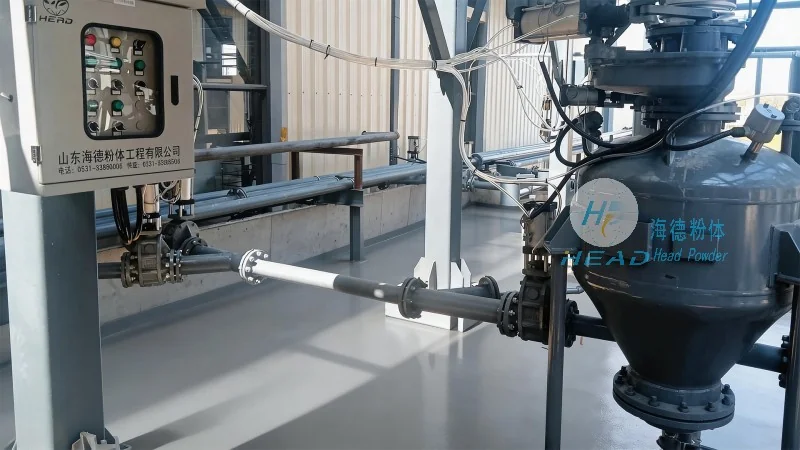
The core components of a talc powder pneumatic conveying system include the material feed hopper, air compressor, conveying pipeline, and receiving vessel. The feed hopper is designed to store and meter the talc powder, ensuring a consistent flow into the system. The air compressor generates the necessary pressure or vacuum to move the powder through the pipeline. The conveying pipeline, typically made of stainless steel or other corrosion-resistant materials, is crucial for maintaining the integrity of the talc powder during transport. The receiving vessel collects the conveyed powder and may include features like dust collection or filtration to prevent environmental contamination.
Working Principle of Pneumatic Conveying for Talc Powder
Pneumatic conveying operates on the principle of using air to transport solid particles. In a pressure system, the air compressor forces air into the pipeline, creating a pressure differential that pushes the talc powder along with the air. The powder is suspended in the air stream and travels through the pipeline to the receiving vessel. In a vacuum system, the air compressor creates a vacuum that draws the talc powder from the feed hopper into the pipeline. Both systems rely on the balance between air velocity and particle size to ensure efficient transport without causing particle degradation or blockages.
Advantages of Using Pneumatic Conveying for Talc Powder Handling
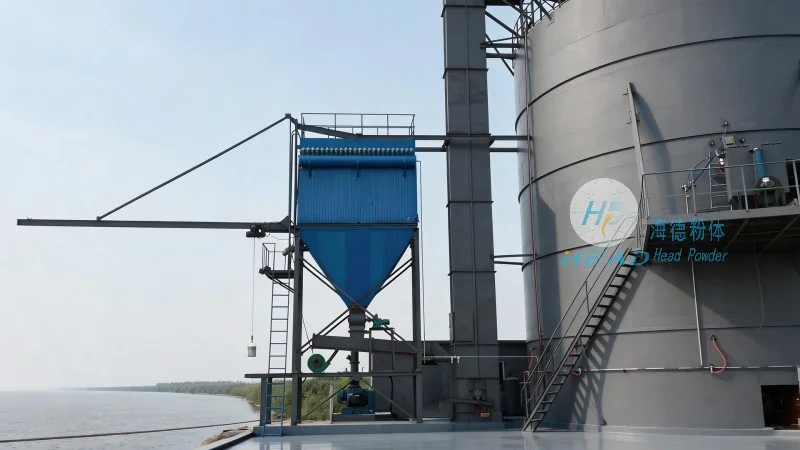
Compared to traditional mechanical conveying methods, pneumatic conveying offers several advantages for talc powder. These include reduced risk of dust explosion, as the powder is contained within the system, and lower maintenance requirements due to fewer moving parts. Additionally, pneumatic systems can handle varying particle sizes and moisture content, making them versatile for different talc powder applications. The ability to transport talc powder over long distances without the need for intermediate storage or transfer points also enhances operational efficiency.
About Shandong HeadPowder Engineering Co., Ltd.
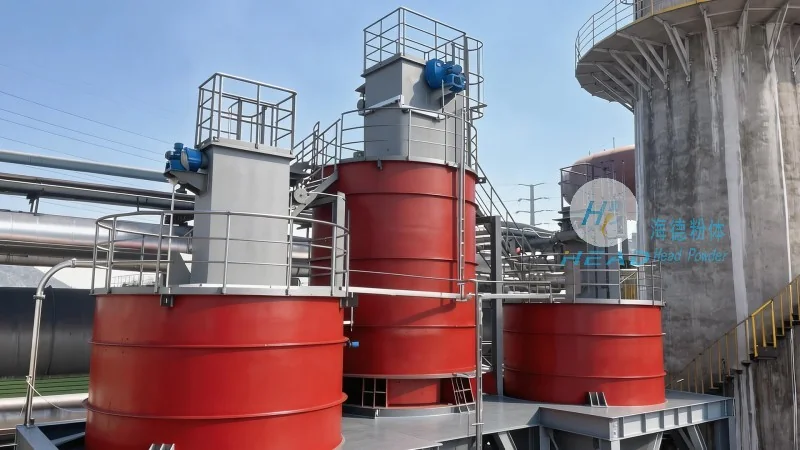
Shandong HeadPowder Engineering Co., Ltd., a leading manufacturer in the powder handling industry, specializes in designing and supplying high-quality pneumatic conveying equipment for various industrial applications. With a focus on innovation and customer satisfaction, the company provides tailored solutions that meet the specific needs of talc powder processing facilities. HeadPowder's equipment is engineered to ensure durability, reliability, and compliance with industry standards, offering clients a cost-effective and efficient way to handle talc powder.
Location and Contact Information
HeadPowder is headquartered in Shandong, China, with a dedicated team of engineers and technicians committed to delivering superior powder handling solutions. The company's facilities are equipped with advanced manufacturing capabilities and quality control measures to ensure that every product meets the highest standards. For inquiries or further information about talc powder pneumatic conveying equipment, please contact HeadPowder directly.