

Sodium Nitrate Pneumatic Conveying Equipment: Structure and Working Principle of Powder Handling Sys
Sodium nitrate, a vital chemical compound utilized in agriculture, food processing, and industrial applications, demands efficient and safe handling solutions for its transportation. Pneumatic conveying systems have become a preferred method for moving sodium nitrate powder due to their ability to handle fine particles, reduce dust exposure, and preserve product quality. This article delves into the structure and operational principles of sodium nitrate pneumatic conveying equipment, detailing the key components and mechanisms that enable reliable powder transfer. The systems are developed by Shandong HeadPowder Engineering Co., Ltd. (headpowder), a company based in Shandong, China, specializing in powder handling technologies.
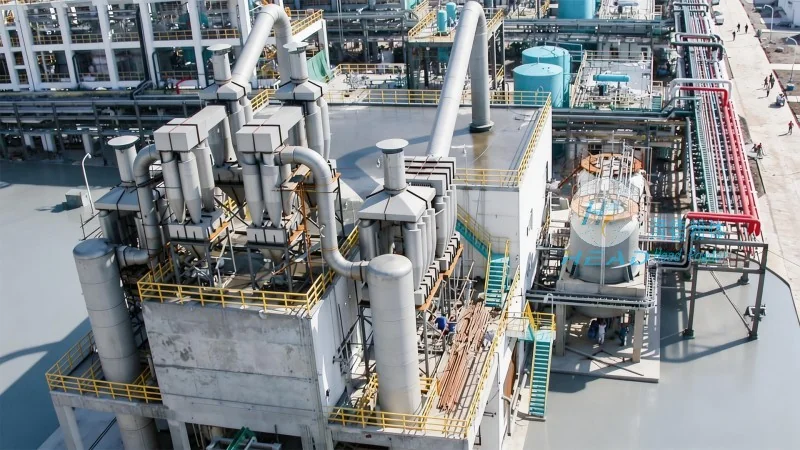
The Structure of Pneumatic Conveying Systems for Sodium Nitrate
A standard pneumatic conveying system for sodium nitrate comprises interconnected components designed to facilitate the movement of the powder from the source to the destination. The primary components include a feeding device, a conveying pipeline, a compressed air or gas source, a separation unit, and a receiving container. Each component is engineered to ensure efficient operation, minimizing the risk of material degradation or operational issues.
Working Principle of the Equipment
The operation of sodium nitrate pneumatic conveying equipment is based on the principle of using air or gas to transport solid particles. Two main types of systems are used: positive pressure and negative pressure. Positive pressure systems employ a blower to force air through the pipeline, while negative pressure systems utilize a vacuum to draw the powder into the system. For sodium nitrate, which is typically handled as a fine powder, positive pressure systems are commonly favored due to their capacity to handle high solid concentrations and maintain consistent flow rates.
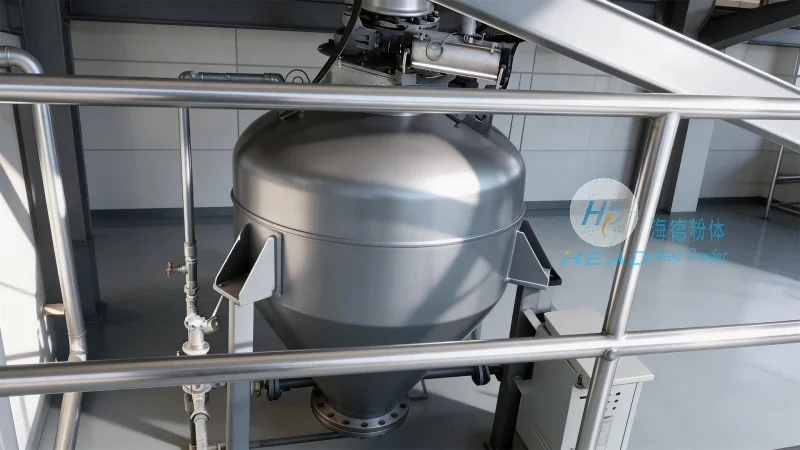
Key Components and Their Functions
1. Feeding Device: This component introduces the sodium nitrate powder into the conveying pipeline. Options include rotary valves, star feeders, or screw feeders, each chosen based on the material's characteristics and flow requirements. The device ensures a controlled and consistent feed, preventing blockages and maintaining product integrity.
2. Conveying Pipeline: The pipeline is constructed from corrosion-resistant materials like stainless steel to withstand the chemical properties of sodium nitrate. Its design, including bends and elbows, is optimized to minimize pressure drop and ensure smooth particle movement. The diameter and length of the pipeline are carefully selected to match the material's flow characteristics and the required conveying distance.
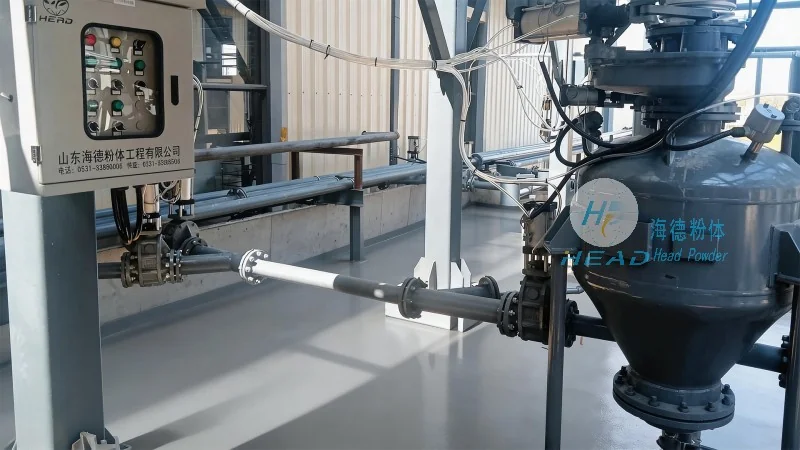
3. Compressed Air or Gas Source: This component provides the necessary pressure or vacuum to move the sodium nitrate particles. The air or gas is filtered and dried to prevent moisture or contaminants from affecting the powder. The pressure or vacuum level is adjusted to align with the system's operational needs, ensuring efficient and safe performance.
4. Separation Unit: The separation unit, often a cyclone or a bag filter, separates the sodium nitrate particles from the air or gas stream. This step is critical for maintaining product purity and controlling dust emissions. The separated powder is collected in a receiving container, while the air is either recirculated or vented.
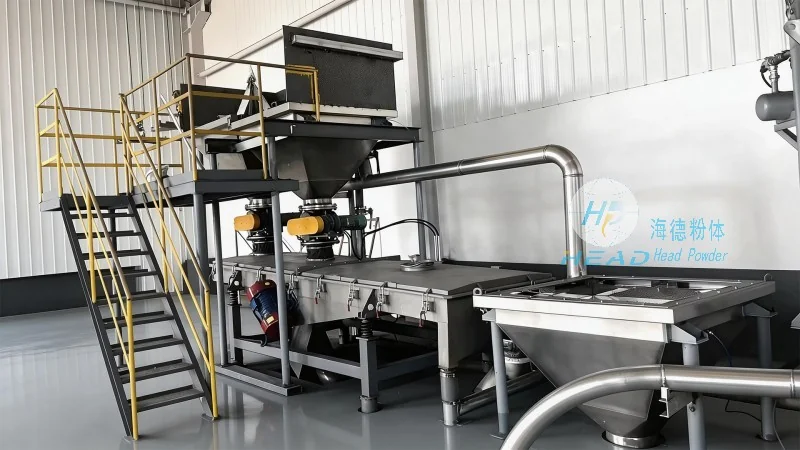
5. Receiving Container: The receiving container, typically a hopper or silo, stores the transported sodium nitrate. It is designed to prevent spillage and contamination, ensuring the material is handled safely. The container is connected to the separation unit to facilitate a smooth transfer of the powder.
Application and Benefits in Handling Sodium Nitrate
Sodium nitrate pneumatic conveying systems are widely applied in industries such as chemical manufacturing, food processing, and agriculture. The primary benefits include enhanced safety, as the equipment minimizes direct human contact with the powder, reducing inhalation or skin exposure risks. Additionally, the systems improve operational efficiency by enabling continuous and automated powder transfer, reducing downtime and labor costs. The ability to handle fine particles without degradation also ensures product quality, which is essential for applications like fertilizer production or food preservation.