

Principle of Pneumatic Conveying System for Synthetic Rubber
Understanding the fundamental principles of pneumatic conveying systems is crucial for optimizing the handling and transportation of synthetic rubber materials. These systems utilize air or other gases to move bulk materials like synthetic rubber through a pipeline network, offering advantages such as dust-free operation, reduced material degradation, and enhanced safety compared to traditional mechanical conveying methods.
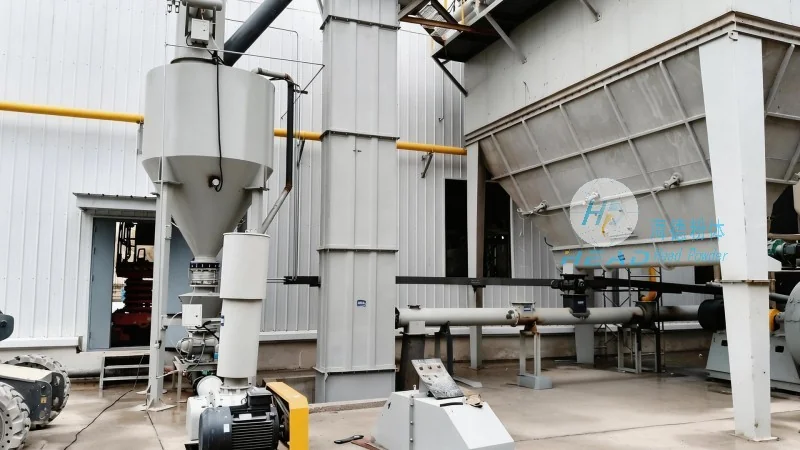
Key Components of Pneumatic Conveying Systems
The core components of a synthetic rubber pneumatic conveying system typically include a material feed hopper, a conveyor line (either positive or negative pressure), a separation or filtration unit, and a discharge outlet. The feed hopper ensures a consistent flow of synthetic rubber into the system, while the conveyor line can operate under either positive pressure (where air is forced through the material) or negative pressure (where air is drawn away from the material). The separation unit is critical for removing any air bubbles or contaminants from the conveyed material, ensuring a clean and uniform product. The discharge outlet then delivers the synthetic rubber to its final destination, such as a storage silo or processing equipment.
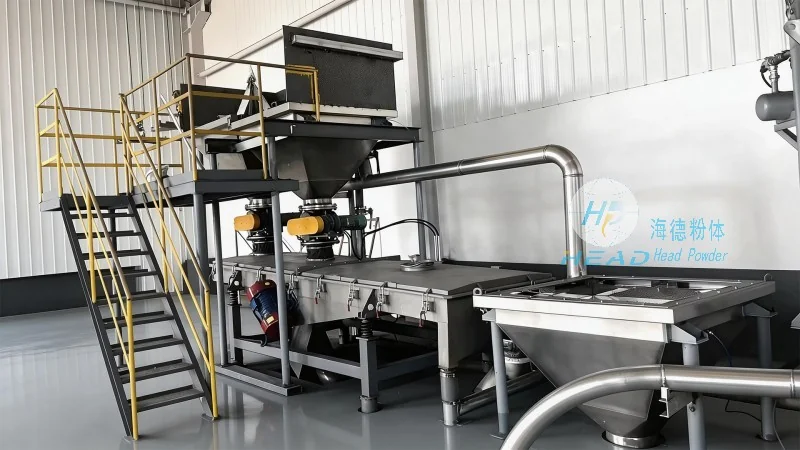
Working Principle of Pneumatic Conveying
The operation of a synthetic rubber pneumatic conveying system relies on the interaction between the material and the air flow. In positive pressure systems, a blower or compressor generates high-pressure air that is introduced into the conveyor line. As the air flows through the pipeline, it lifts and transports the synthetic rubber particles, maintaining a consistent velocity to prevent material settling or blockages. The air and material mixture then passes through the separation unit, where the air is separated from the rubber and either recycled or vented. In negative pressure systems, a vacuum pump creates a low-pressure environment that draws the synthetic rubber into the conveyor line, with the air flow assisting in the transportation process. Both systems are designed to maintain the material in a suspended state throughout the conveying process, minimizing friction and wear on the system components.
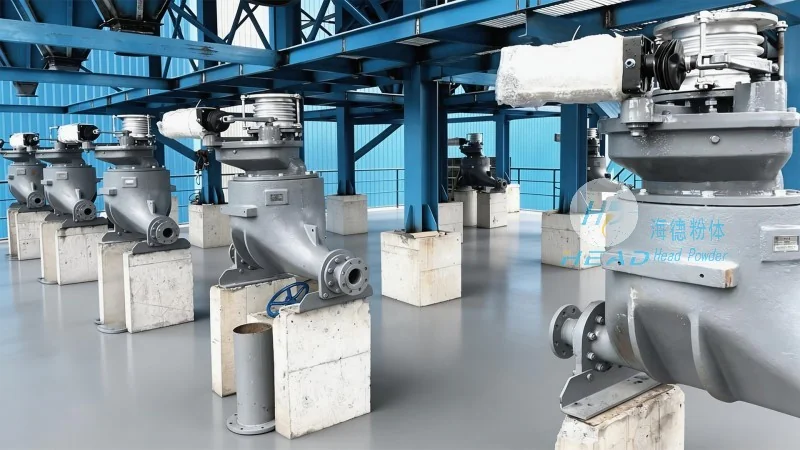
Advantages of Synthetic Rubber Pneumatic Conveying
Implementing a pneumatic conveying system for synthetic rubber offers several key advantages over traditional methods. Firstly, it provides a dust-free environment, which is essential for maintaining product quality and ensuring workplace safety. Unlike mechanical conveyors that can generate significant dust, pneumatic systems keep the material contained within the pipeline, reducing the risk of inhalation or contamination. Secondly, the system minimizes material degradation by reducing friction and impact during transportation. Synthetic rubber is a sensitive material that can be easily damaged by mechanical stress, and pneumatic conveying reduces these risks, preserving the material's properties and performance. Thirdly, the system enhances operational efficiency by allowing for continuous, automated material handling. This reduces labor costs and improves production throughput, as the system can operate 24/7 without the need for manual intervention. Additionally, the flexibility of pneumatic conveying systems allows for easy integration with existing production lines, enabling seamless material transfer between different processing stages.
Applications in Industrial Settings
Synthetic rubber pneumatic conveying systems are widely used in various industrial applications where bulk synthetic rubber needs to be transported efficiently and safely. In the tire manufacturing industry, these systems are used to move raw synthetic rubber from storage silos to mixing and extrusion equipment. The consistent flow and dust-free operation ensure that the rubber is delivered in optimal condition for processing. In the rubber products manufacturing sector, such as for seals, gaskets, and hoses, pneumatic conveying systems transport the synthetic rubber to mixing plants, where it is combined with other additives and compounds. The system's ability to handle large volumes of material makes it suitable for high-volume production lines. Additionally, in research and development facilities, these systems are used to transport small batches of synthetic rubber for testing and quality control, allowing for precise and controlled material handling.
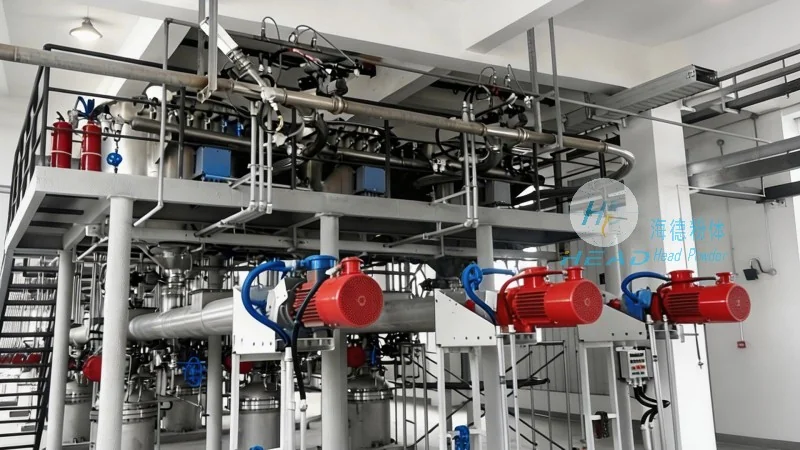
Installation and Maintenance Considerations
Proper installation and regular maintenance are critical for the efficient operation of a synthetic rubber pneumatic conveying system. During installation, it is essential to ensure that the pipeline is properly sealed to prevent air leaks, which can reduce the system's efficiency and increase energy consumption. The pipeline should also be designed with appropriate bends and elbows to minimize pressure losses and prevent material accumulation. Regular maintenance involves checking the condition of the conveyor line, separation unit, and air handling equipment. The separation unit should be cleaned regularly to prevent clogging, and the air filters should be replaced as needed to maintain air quality. The blower or vacuum pump should be inspected for wear and tear, and the motor should be checked for proper operation. Additionally, the feed hopper should be monitored for material buildup, and the discharge outlet should be checked for blockages. Proper maintenance not only extends the lifespan of the system but also ensures consistent performance and product quality.