

Principle of Biomass Powder Pneumatic Conveying System
Understanding the fundamental principles of biomass powder pneumatic conveying systems is crucial for industries dealing with bulk material handling. These systems are designed to transport fine or powdery materials like biomass particles efficiently and reliably. The core concept revolves around using air or gas as the conveying medium to move the material through a pipeline network.
Key Components of the Pneumatic Conveying System
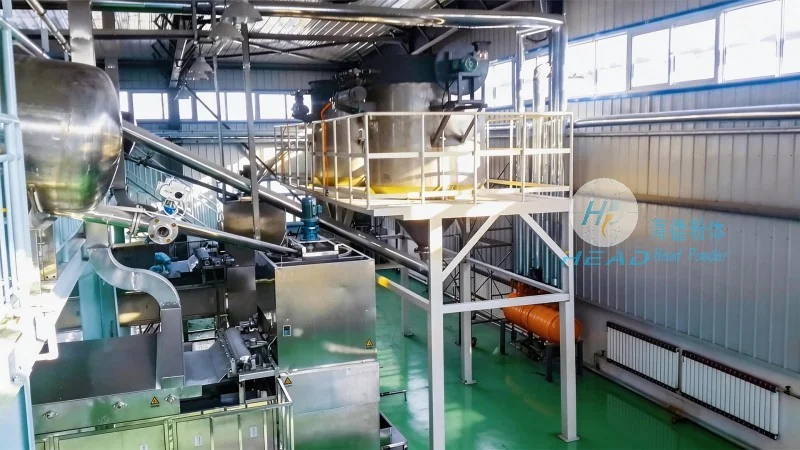
The biomass powder pneumatic conveying system typically consists of several essential components that work in tandem to ensure smooth material transport. These include the material hopper or feeder, which stores and meters the biomass powder; the air compressor or blower that generates the necessary airflow; the conveying pipeline, which carries both the material and air; and the control system that regulates the flow and pressure. Each component plays a vital role in maintaining the system's efficiency and performance.
Working Principle of the Biomass Powder Pneumatic Conveying System
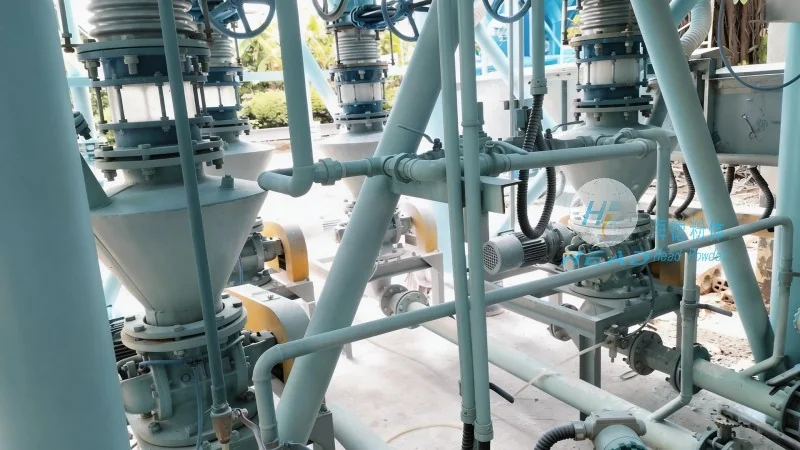
The operation of the system begins with the biomass powder being fed into the hopper. The feeder then controls the discharge rate, ensuring a consistent flow of material. Simultaneously, the air compressor provides a steady stream of air or gas, which is introduced into the pipeline. As the air flows through the pipeline, it creates a low-pressure zone that draws the biomass powder into the air stream. The mixture of air and powder travels through the pipeline to the discharge point, where the material is separated from the air and collected. This process is often referred to as dilute-phase or dense-phase conveying, depending on the air-to-material ratio and system design.
Applications in Biomass Processing and Handling
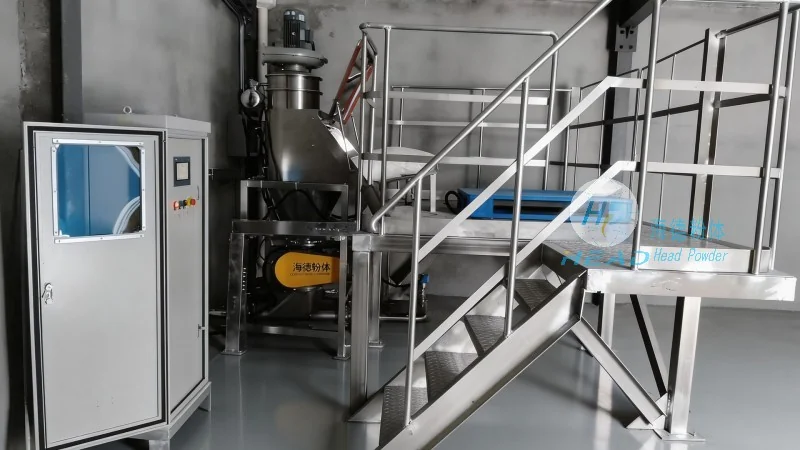
Biomass powder pneumatic conveying systems are widely used in various applications within the biomass industry. They are particularly effective in transporting biomass from storage silos to processing equipment, such as pelletizers or briquetting machines. The systems are also utilized in biomass power plants, where they transport fuel to boilers. Additionally, these systems are employed in biofuel production facilities, where they handle raw biomass materials before conversion into biofuels. The ability to transport biomass powder over long distances with minimal loss and contamination makes these systems highly valuable in modern biomass processing operations.
About Shandong HeadPowder Engineering Co., Ltd.
HeadPowder, the professional manufacturer of biomass powder pneumatic conveying systems, is dedicated to providing high-quality and reliable solutions for bulk material handling. With years of experience in the industry, HeadPowder has developed advanced systems that meet the specific needs of biomass processing facilities. The company's headquarters is located in Shandong, China, where it operates a state-of-the-art research and development center. HeadPowder's team of engineers and technicians is committed to innovation and excellence, ensuring that each system is tailored to the customer's requirements. The company's products are known for their durability, efficiency, and low maintenance costs, making them a preferred choice for biomass processing plants worldwide.
Conclusion: The Importance of Efficient Biomass Powder Conveying
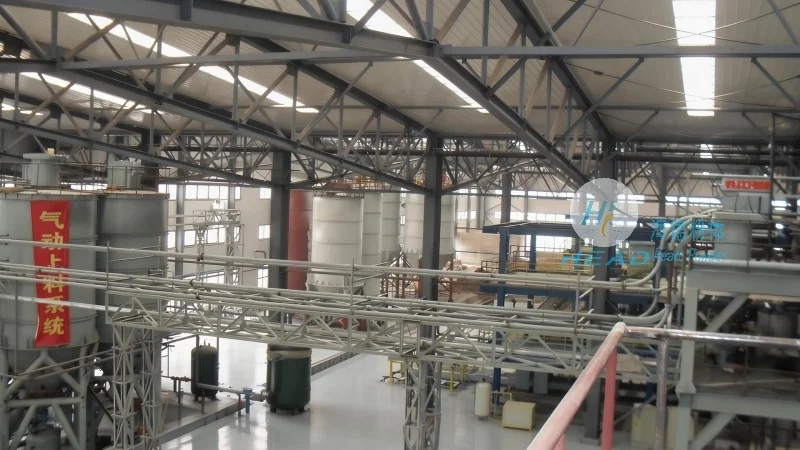
In conclusion, the biomass powder pneumatic conveying system is a critical component in modern biomass processing operations. Its ability to transport fine materials efficiently and reliably ensures smooth production processes and minimal material loss. Companies like Shandong HeadPowder Engineering Co., Ltd. play a vital role in providing these systems, helping biomass processing facilities achieve optimal performance and productivity. By understanding the principles and components of these systems, industries can make informed decisions about their material handling solutions, ultimately improving their overall operational efficiency.