

Principle of Soybean Pneumatic Conveying Equipment
HeadPowder, a leading provider of industrial conveying solutions, specializes in the design and manufacturing of pneumatic conveying systems tailored for agricultural products like soybeans. This article delves into the fundamental principles behind soybean pneumatic conveying equipment, highlighting the technical aspects and operational efficiency of such systems.
Understanding Pneumatic Conveying Systems
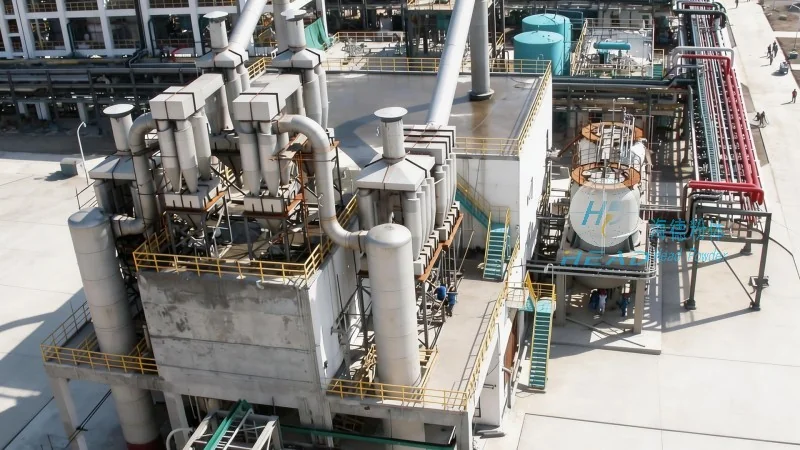
Pneumatic conveying, also known as air conveying, is a method of transporting bulk materials through a pipeline using a flow of pressurized or vacuum air. In the context of soybean handling, this technology offers a clean, efficient, and cost-effective solution for moving beans from storage to processing facilities. The core components of a pneumatic conveying system typically include a hopper for material storage, a conveyor line, a fan or blower to generate airflow, and a receiver for the discharged material. The system operates by creating a pressure differential that propels the soybeans through the pipeline, minimizing the need for mechanical components that can cause contamination or wear.
Key Components and Their Functions
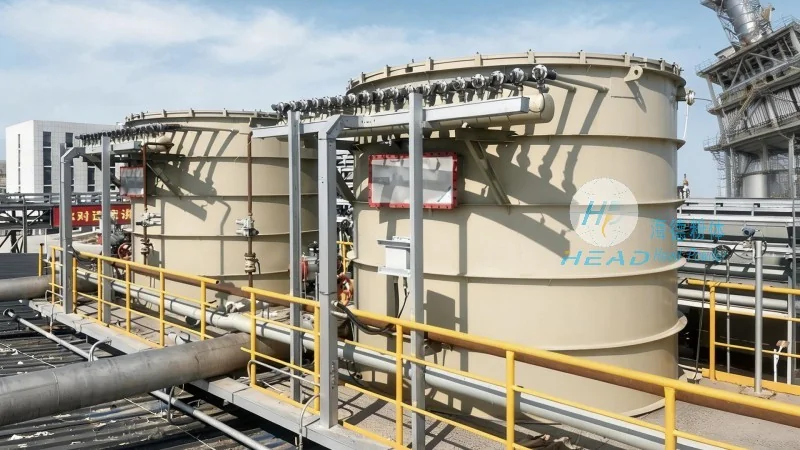
Each component of the soybean pneumatic conveying system plays a critical role in ensuring smooth operation. The hopper, often equipped with a feeder or gate valve, regulates the flow of soybeans into the system, preventing overloading and maintaining consistent material feed. The conveyor line, usually made of stainless steel or other corrosion-resistant materials, is designed to withstand the abrasive nature of soybeans while providing a smooth surface to reduce friction and material degradation. The fan or blower is the power source, generating the necessary airflow to move the beans through the pipeline. Its capacity and pressure are carefully selected based on the system's design to ensure adequate material transport without excessive energy consumption. The receiver, typically a storage tank or processing unit, collects the conveyed soybeans and may include features like a discharge valve or filter to control the output flow.
How the System Works: The Conveying Process
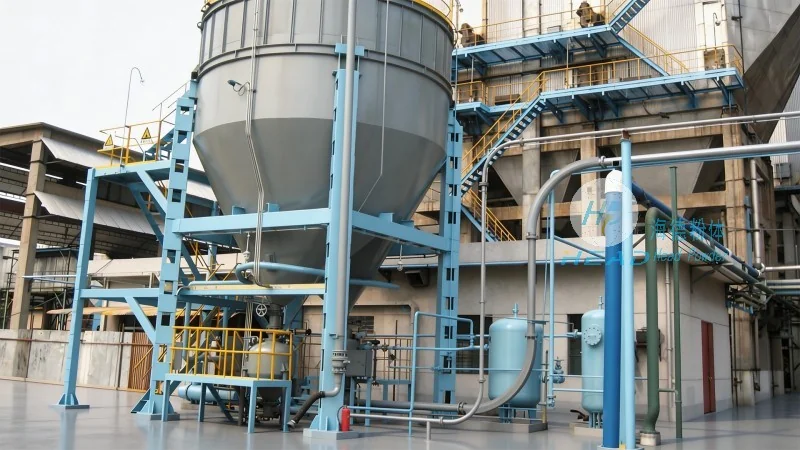
The operation of a soybean pneumatic conveying system involves several stages. Initially, soybeans are fed from the hopper into the conveyor line. The fan then creates a low-pressure or high-pressure environment within the pipeline, depending on the system configuration. In a pressure system, air is forced into the line, pushing the soybeans forward. In a vacuum system, air is drawn out, creating a suction that pulls the beans through the pipeline. As the soybeans travel through the line, they are mixed with the air, forming a slurry-like flow. The velocity of the air is crucial; it must be sufficient to keep the beans suspended and moving without causing excessive wear on the pipeline or components. The system's design, including the pipe diameter, length, and bends, is optimized to maintain this velocity and prevent material settling or blockages.
Advantages of Pneumatic Conveying for Soybeans
Implementing pneumatic conveying for soybean handling offers numerous advantages over traditional mechanical methods. Firstly, it provides a hygienic and clean operation, as the system is enclosed, preventing contamination from dust, moisture, or external elements. This is particularly important in food processing applications where product quality and safety are paramount. Secondly, the system is highly efficient in terms of space utilization, as it can transport materials over long distances with minimal infrastructure. This makes it suitable for large-scale agricultural operations where storage and processing facilities are located far apart. Thirdly, pneumatic conveying reduces labor costs and operational downtime, as it eliminates the need for manual handling and mechanical components that require regular maintenance. Additionally, the system's flexibility allows for easy integration with other processing equipment, such as cleaning, drying, or packaging machines, streamlining the overall production process.
HeadPowder's Expertise in Soybean Conveying Solutions
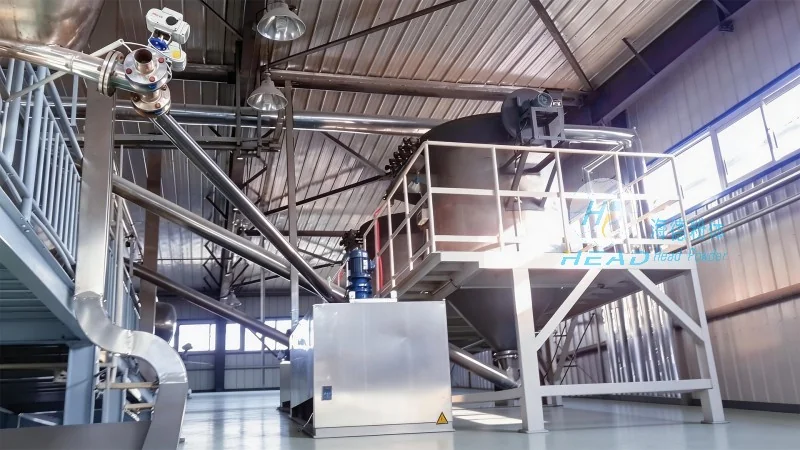
Shandong HeadPowder Engineering Co., Ltd., with its extensive experience in industrial engineering, offers customized pneumatic conveying solutions tailored to the specific needs of soybean producers and processors. The company's team of engineers and technicians works closely with clients to design systems that optimize material flow, minimize energy consumption, and ensure compliance with industry standards. HeadPowder's products are built with high-quality materials and advanced technology, ensuring durability and reliability in demanding agricultural environments. The company's commitment to customer satisfaction and technical excellence has made it a trusted partner for businesses seeking efficient and effective soybean handling solutions. With a focus on innovation and practical application, HeadPowder continues to advance the technology of pneumatic conveying, providing solutions that meet the evolving needs of the agricultural industry.