

Principle of Feed Pneumatic Conveying Equipment
HeadPowder, a professional manufacturer based in Shandong, China, specializes in the design and production of feed pneumatic conveying equipment. This article provides a detailed explanation of the working principles and key components of such systems, highlighting their efficiency and reliability in the feed processing industry.
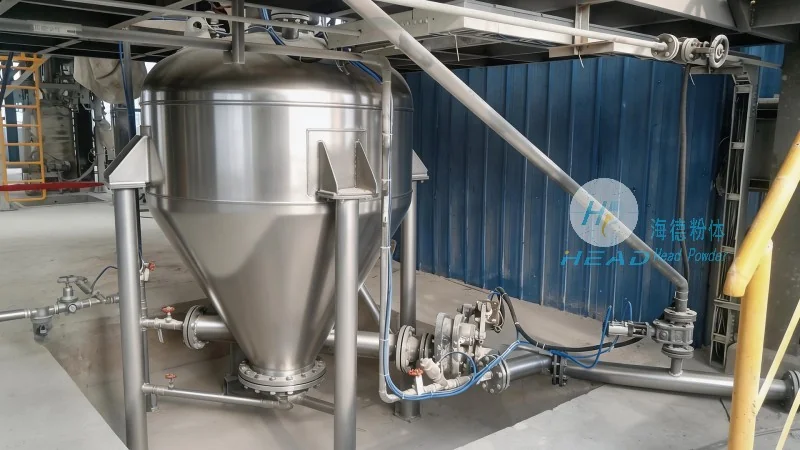
Understanding Pneumatic Conveying Systems
Pneumatic conveying is a method of transporting bulk materials, such as feed pellets, powders, or granules, using a stream of air or gas. The core principle involves creating a pressure differential between the conveying line and the ambient environment, which propels the material through the system. There are two main types of pneumatic conveying: pressure and vacuum systems. Pressure systems use compressed air to push material forward, while vacuum systems create a negative pressure to draw material into the line.
Key Components of Feed Pneumatic Conveying Equipment
The feed pneumatic conveying system consists of several critical components that work in tandem to ensure smooth material transport. These include the hopper or feeder, which holds the feed material; the air compressor or vacuum pump, which provides the necessary air flow; the conveying line, typically made of metal or flexible tubing; and the receiver or discharge unit, where the material is deposited. Additionally, components like check valves, filters, and silencers are integrated to prevent backflow, maintain air quality, and reduce noise.
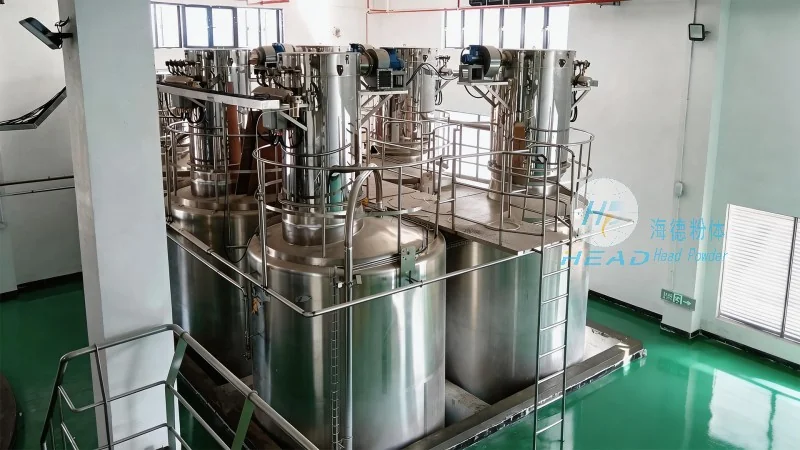
Working Principle of Pneumatic Conveying
In a typical pressure system, the feed material is fed into the hopper and then into the conveying line. The air compressor generates high-pressure air that is introduced into the line, creating a flow that carries the material particles. The air velocity is carefully controlled to ensure that the material is suspended and transported without causing excessive wear or degradation. The system operates by maintaining a consistent pressure gradient along the line, which allows the material to move from the inlet to the outlet efficiently.
Advantages of Using Pneumatic Conveying for Feed Transport
Feed pneumatic conveying offers several advantages over traditional mechanical conveying methods. Firstly, it eliminates the need for mechanical components like belts or chains, reducing maintenance costs and the risk of mechanical failure. Secondly, it provides a hygienic and dust-free environment, which is crucial for maintaining the quality and safety of feed products. Thirdly, the system can handle a wide range of feed materials, from fine powders to larger pellets, with minimal segregation or degradation. Additionally, pneumatic conveying systems are flexible and can be easily integrated into existing feed processing lines, allowing for scalability and adaptability to changing production needs.
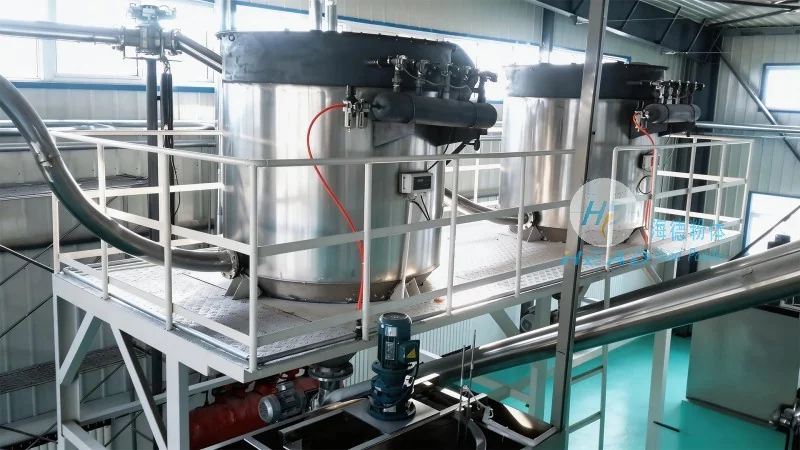
Application in the Feed Industry
HeadPowder's feed pneumatic conveying equipment is widely used in various stages of feed production and processing. It is commonly employed for transporting raw materials such as grains, soybeans, and other feed ingredients from storage silos to processing units. The system can also be used to move finished feed products from the production line to storage silos or packaging areas. Furthermore, pneumatic conveying is utilized in blending operations, where different feed components are mixed and conveyed to the final product. The efficiency and reliability of these systems ensure that feed production processes run smoothly, with minimal downtime and maximum productivity.
Technical Considerations and Maintenance
Proper design and maintenance of pneumatic conveying systems are essential for optimal performance. Factors such as material properties, particle size, and moisture content must be considered when selecting the appropriate system configuration. Regular maintenance, including cleaning of filters, checking air compressor performance, and inspecting the conveying line for wear or damage, is crucial to prevent system failures and ensure long-term reliability. HeadPowder provides comprehensive support for its customers, including technical guidance, maintenance services, and spare parts supply, to ensure that their feed pneumatic conveying systems operate at peak efficiency.