

Principle of Additive Pneumatic Conveying Equipment
HeadPowder, a leading enterprise based in Shandong, China, specializes in the design, manufacturing, and application of advanced pneumatic conveying systems for additive materials. The principle of additive pneumatic conveying equipment is centered on the efficient and reliable transport of powders and granules through a pressurized air stream. This technology is crucial for industries dealing with various additives, such as chemicals, food ingredients, and pharmaceuticals, where maintaining product integrity and process efficiency is paramount.
The Core Mechanism of Pneumatic Conveying
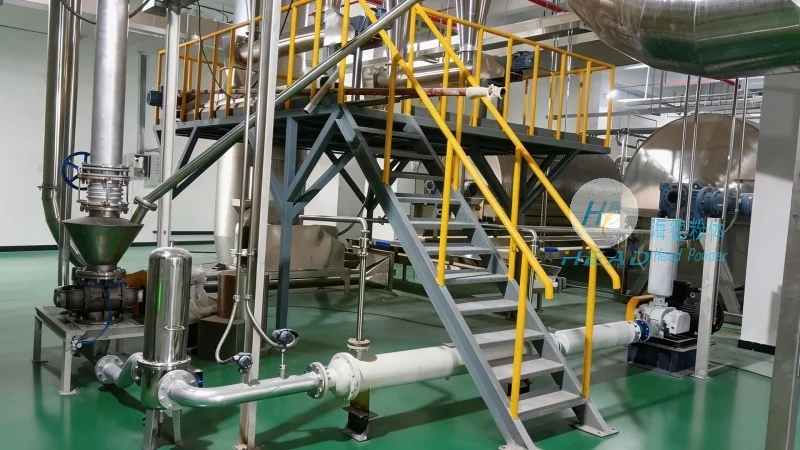
The fundamental operation of additive pneumatic conveying equipment involves the use of a high-pressure air source to move bulk materials through a pipeline. The system typically consists of a blower or compressor, a hopper for material storage, a conveying line, and a discharge point. As air is forced through the pipeline, it creates a low-pressure zone that draws the additive material from the hopper into the system. The material is then carried along the pipeline by the air flow, ensuring a continuous and controlled transport process. This method eliminates the need for mechanical components like belts or buckets, reducing maintenance and operational costs while enhancing safety in handling potentially hazardous additives.
Key Components and Their Functions
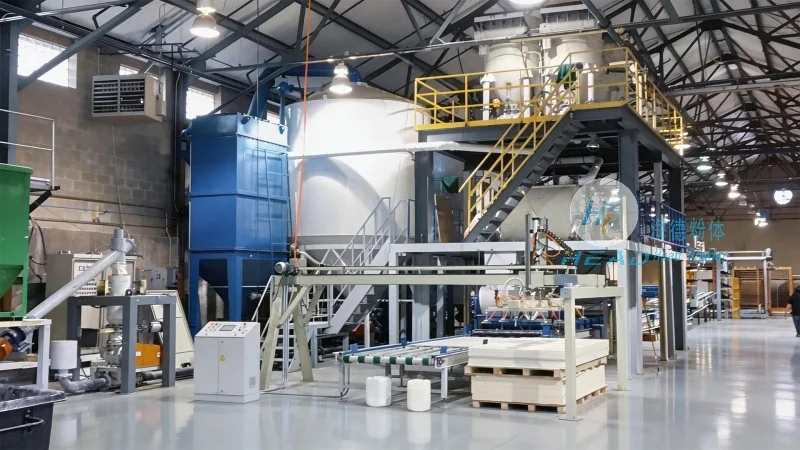
Several critical components work in tandem to ensure the smooth operation of additive pneumatic conveying equipment. The blower or compressor provides the necessary air pressure and volume to initiate and sustain the conveying process. The hopper, often equipped with a feeding mechanism like a rotary valve or screw feeder, ensures a consistent flow of additive material into the system. The conveying line, usually made of stainless steel or other corrosion-resistant materials, is designed to withstand the pressures and temperatures associated with different additive types. Additionally, the system may include filters, cyclones, or dust collectors to manage air quality and prevent material loss. These components are carefully engineered to handle the specific characteristics of each additive, such as particle size, moisture content, and flowability, ensuring optimal performance.
Advantages of Pneumatic Conveying for Additives
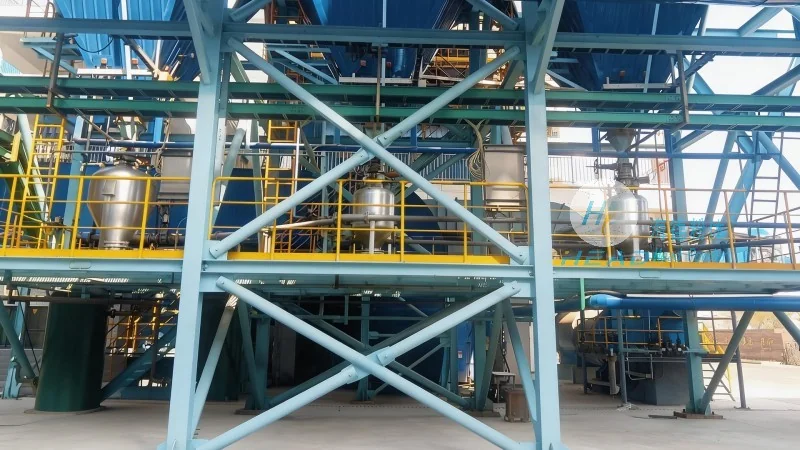
Compared to traditional mechanical conveying methods, additive pneumatic conveying equipment offers several distinct advantages. Firstly, it provides a dust-free and enclosed transport process, which is essential for maintaining the purity and quality of sensitive additives. This enclosed system also reduces the risk of contamination and environmental pollution, making it suitable for industries with strict regulatory requirements. Secondly, pneumatic conveying allows for flexible and scalable solutions, as the system can be easily adjusted to handle varying material volumes and types. The ability to transport materials over long distances without the need for intermediate storage or handling points further enhances operational efficiency. Moreover, the reduced mechanical wear and lower energy consumption compared to traditional methods contribute to long-term cost savings and sustainability.
Application Scenarios and Industry Impact
HeadPowder's additive pneumatic conveying equipment is widely applied across various industries, including chemical manufacturing, food processing, and pharmaceutical production. In the chemical industry, the equipment is used to transport raw materials like pigments, catalysts, and reagents, ensuring precise dosing and process control. In food processing, it facilitates the handling of ingredients such as spices, vitamins, and flavor enhancers, maintaining product freshness and safety standards. The pharmaceutical sector benefits from the sterile and contamination-free nature of the system, which is critical for transporting active pharmaceutical ingredients (APIs) and other sensitive compounds. By leveraging the principles of pneumatic conveying, these industries achieve improved process reliability, reduced downtime, and enhanced product quality, ultimately contributing to higher overall operational efficiency.
Customization and Service Support from HeadPowder
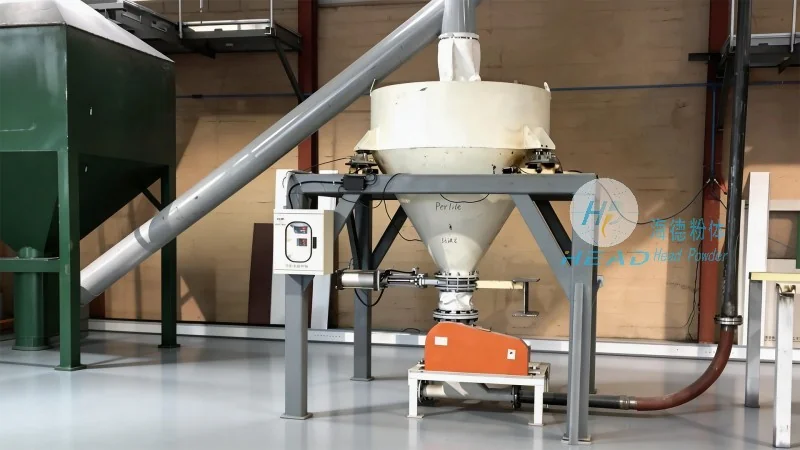
Shandong HeadPowder Engineering Co., Ltd. understands that each industrial application has unique requirements, which is why they offer customized solutions tailored to specific additive characteristics and operational needs. The company's engineering team works closely with clients to design and implement systems that meet exact specifications, ensuring optimal performance and compliance with industry standards. HeadPowder provides comprehensive after-sales support, including installation, commissioning, and maintenance services, to ensure the long-term reliability of their equipment. Their commitment to quality and customer satisfaction is reflected in the durable construction and efficient operation of their additive pneumatic conveying systems, making them a trusted partner for businesses seeking reliable material handling solutions.