

Principle of Algae Residue Pellet Pneumatic Conveying Equipment
Algae residue, a byproduct from various aquatic biomass processing operations, often requires efficient and hygienic handling for further utilization or disposal. The algae residue pellet pneumatic conveying equipment addresses this need by providing a reliable method to transport these granular materials over long distances or within processing facilities. This equipment is designed to handle the unique characteristics of algae-derived pellets, ensuring minimal degradation and maintaining product integrity throughout the conveying process.
Company Overview: Shandong HeadPowder Engineering Co., Ltd.
HeadPowder, operating under the full name Shandong HeadPowder Engineering Co., Ltd., is a leading manufacturer specializing in engineering solutions for material handling and processing. With a focus on innovative and efficient equipment design, the company has established itself as a trusted partner in the industry. HeadPowder's commitment to quality and customer satisfaction is reflected in its comprehensive product line, which includes advanced pneumatic conveying systems tailored to diverse industrial applications.
Working Principle of Pneumatic Conveying Systems
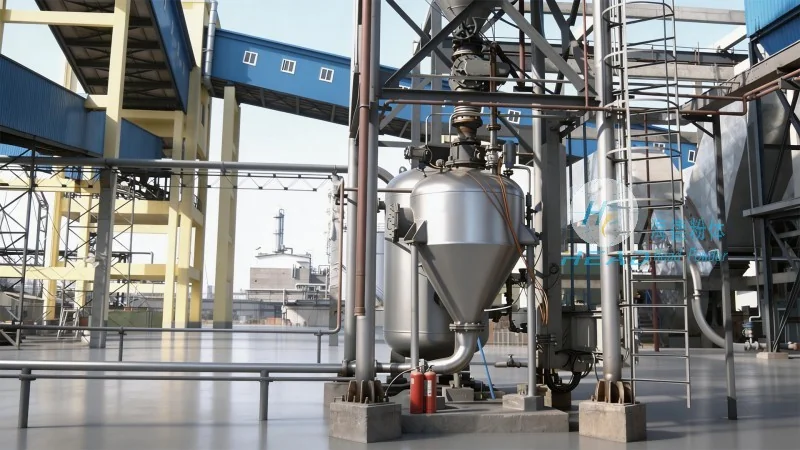
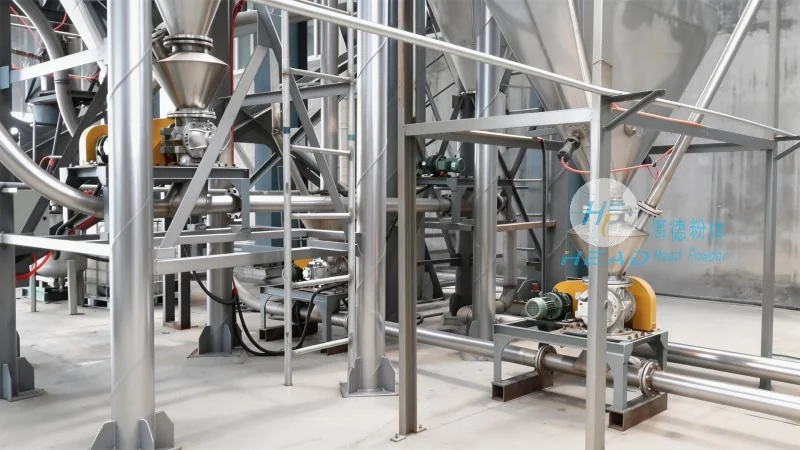
The core of the algae residue pellet pneumatic conveying equipment lies in its pneumatic conveying mechanism. This system utilizes compressed air or other gases to transport solid particles through a pipeline network. The process typically involves several key components: a material feed hopper, a rotary valve or feeder to control the flow of pellets, a conveying line, and a receiver or discharge point. As pellets are introduced into the system, they are entrained by the moving air stream, which carries them through the pipeline. The velocity and pressure of the air are carefully controlled to ensure stable and efficient transport, minimizing particle degradation and preventing blockages.
Technical Features and Advantages
HeadPowder's pneumatic conveying equipment for algae residue pellets incorporates several technical features that enhance performance and reliability. These include: high-efficiency air compression systems to maintain consistent airflow, customizable pipeline configurations to suit specific facility layouts, and advanced control systems for precise operation. The equipment is also designed with hygiene in mind, featuring easy-to-clean components and materials that resist corrosion and bacterial growth, which is critical for handling organic residues. Additionally, the system offers flexibility in conveying distances, from short intra-facility transport to long-distance overland or offshore applications.
Application Scenarios and Benefits
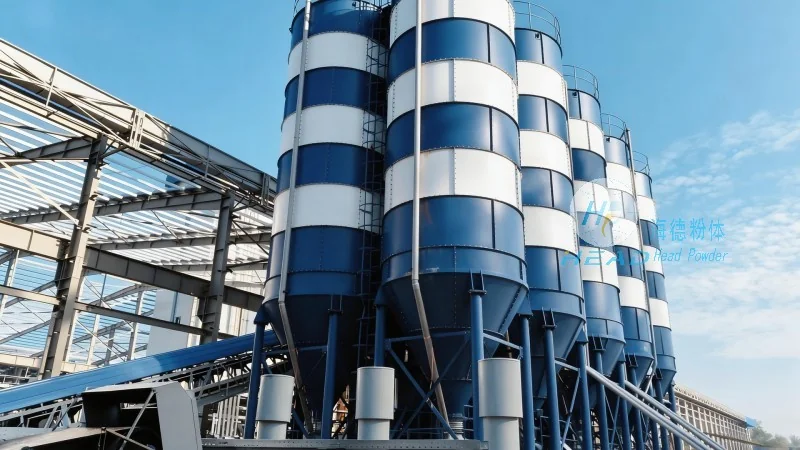
The algae residue pellet pneumatic conveying equipment is applicable in various industrial settings where algae biomass is processed. Common applications include: transporting pellets from drying or pelletizing units to storage silos, moving material between different processing stages, and discharging pellets into downstream equipment such as composting or biofuel production facilities. The primary benefits of using this equipment include: improved operational efficiency by reducing manual handling and labor costs, enhanced product quality through minimized exposure to environmental factors, and environmental sustainability by facilitating the reuse of algae residues in renewable energy or agricultural applications. By eliminating the need for traditional bulk handling methods like trucks or conveyor belts, the system also reduces operational costs and environmental impact.
Installation and Maintenance Considerations
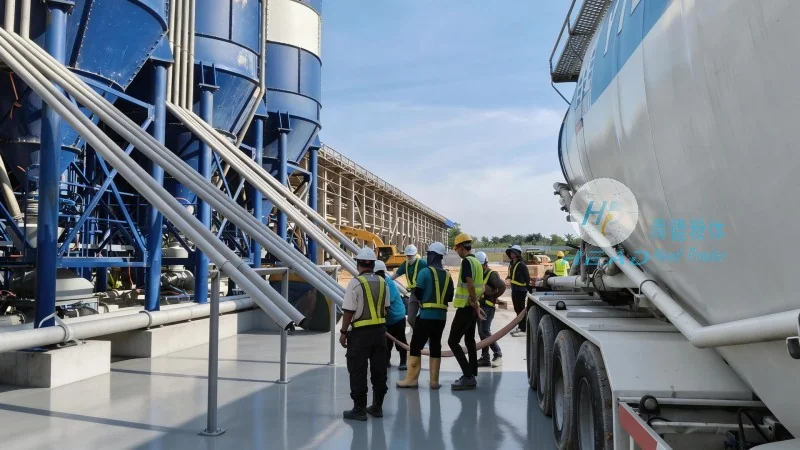
Proper installation and regular maintenance are essential for optimal performance of the algae residue pellet pneumatic conveying equipment. HeadPowder provides comprehensive installation services, including site assessment, pipeline layout design, and equipment commissioning. The system is designed for easy maintenance, with accessible components that allow for quick cleaning and inspection. Regular maintenance tasks include checking air pressure and flow rates, inspecting for wear on rotary valves and feeder components, and cleaning the pipeline to prevent buildup of residue. By adhering to recommended maintenance schedules, users can ensure the longevity and reliability of the equipment, minimizing downtime and maximizing operational efficiency.