

Principle of Pneumatic Conveying Equipment for Lithium-Ion Battery Materials
Pneumatic conveying equipment is integral to the processing and handling of materials used in lithium-ion battery manufacturing. The technology utilizes air or other gases to transport bulk materials through a pipeline system. This method offers distinct advantages over traditional mechanical conveying, including reduced equipment wear, lower maintenance needs, and enhanced safety when handling potentially hazardous materials. For engineering firms like Shandong HeadPowder Engineering Co., Ltd., mastering the principles of pneumatic conveying is essential for optimizing production efficiency and ensuring product quality throughout the battery material supply chain.
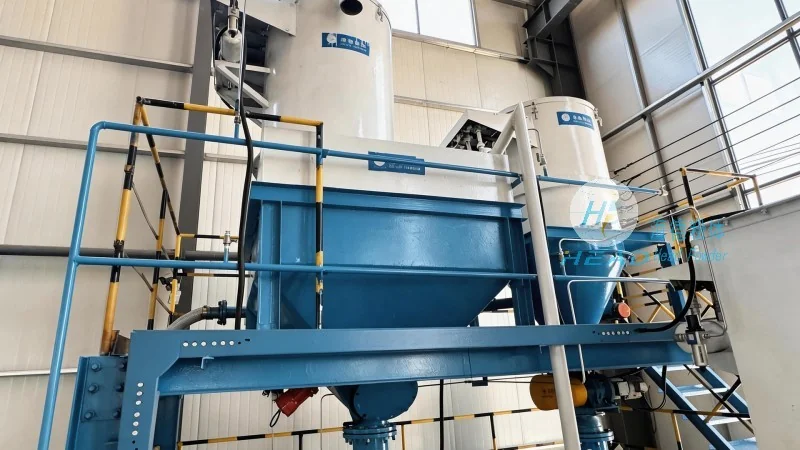
Core Components and Working Principle
The fundamental components of a pneumatic conveying system include a material hopper, a feeder, a conveying line, a separator, and a dust collector. The process initiates with material being fed from the hopper into the conveying line via the feeder. Air is then introduced, creating a flow that propels the material through the pipeline. The separator is critical for separating the conveyed material from the air stream, ensuring accurate deposition at the destination. The dust collector, often integrated with the separator, captures fine particles to maintain air quality and comply with environmental regulations. This integrated approach ensures efficient material transport while minimizing environmental impact.
Advantages of Pneumatic Conveying in Battery Material Handling
When applied to lithium-ion battery materials, pneumatic conveying systems deliver several key benefits. First, they provide a dust-free environment, which is vital for preserving the purity of battery materials—especially for active components like lithium cobalt oxide or lithium iron phosphate. Second, the system allows for precise control over flow rates, essential for achieving consistent battery performance. Third, the enclosed pipeline design reduces the risk of material contamination and exposure to external factors, enhancing product integrity. Additionally, the system can handle a wide range of material properties, from fine powders to bulk solids, making it versatile for various battery material types. These advantages make pneumatic conveying an ideal solution for manufacturers seeking to improve operational efficiency and product quality in their battery production processes.
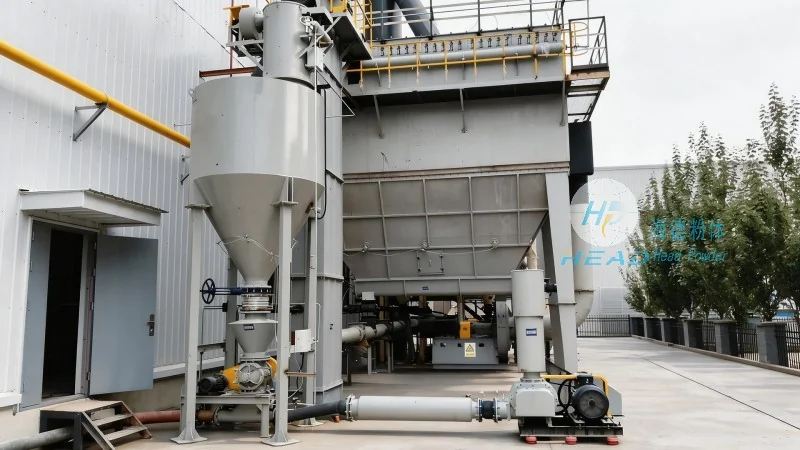
Application in Lithium-Ion Battery Material Processing
Shandong HeadPowder Engineering Co., Ltd. specializes in designing and manufacturing pneumatic conveying equipment tailored to the specific needs of lithium-ion battery manufacturers. The company’s solutions are engineered to handle the unique challenges of battery material handling, such as the need for high-purity materials and precise control over particle size distribution. For example, in the processing of cathode materials, the system can efficiently transport powders from storage silos to mixing and coating lines, ensuring minimal loss and contamination. Similarly, for anode materials like graphite, the equipment can handle fine powders with minimal degradation, preserving material properties. The company’s expertise in material flow dynamics and system integration ensures that conveying systems are optimized for each client's production line, maximizing throughput while maintaining product quality.
Customization and Scalability for Battery Manufacturing
One of the key strengths of Shandong HeadPowder Engineering Co., Ltd. is its ability to customize pneumatic conveying systems to meet specific requirements. Whether a company produces small-scale prototypes or large-scale commercial batteries, the equipment can be scaled to match production needs. The company offers solutions ranging from simple, low-pressure systems to complex, high-pressure systems capable of handling high-volume material transport. Additionally, the systems can be integrated with other processing equipment, such as mixers, dryers, and classifiers, creating a seamless material handling workflow. This flexibility allows manufacturers to adapt their production lines as needs evolve, ensuring long-term operational efficiency and cost-effectiveness.
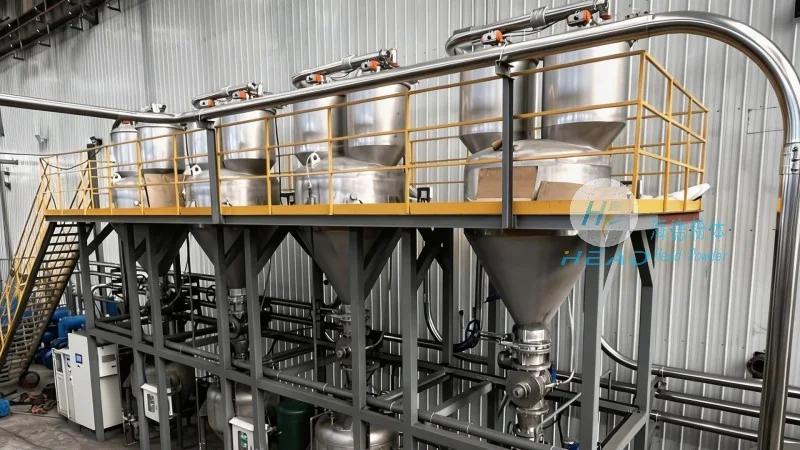
Maintenance and Operational Considerations
Proper maintenance is essential to ensure the longevity and efficiency of pneumatic conveying equipment used in lithium-ion battery material handling. Regular inspection of components like the feeder, conveying line, and separator is crucial to prevent blockages and maintain consistent material flow. The dust collector and air filtration systems must also be maintained to prevent clogging and maintain air quality. Additionally, monitoring system pressure and flow rates helps identify potential issues early, reducing downtime and maintenance costs. Shandong HeadPowder Engineering Co., Ltd. provides comprehensive maintenance services and technical support to help clients optimize equipment performance and extend service life. By adhering to proper maintenance practices, manufacturers can ensure that pneumatic conveying systems operate at peak efficiency, supporting consistent battery production and quality.
Conclusion and Future Outlook
Pneumatic conveying equipment is a critical component in the efficient and safe handling of lithium-ion battery materials. The principles and components of these systems, as explained by Shandong HeadPowder Engineering Co., Ltd., offer significant advantages in terms of material purity, process control, and operational efficiency. As the demand for lithium-ion batteries grows, the need for reliable and high-performance material handling solutions becomes increasingly important. Companies like HeadPowder are at the forefront of developing customized solutions that meet the evolving needs of the battery industry, ensuring manufacturers maintain competitive advantages through optimized production processes. By leveraging expertise in pneumatic conveying technology, battery manufacturers can enhance production capabilities and contribute to sustainable energy solutions advancement.