

What is Silica Fume Pneumatic Conveying? What Are the Design Principles?
Silica fume, also known as microsilica, is a byproduct of silicon metal or ferrosilicon production, renowned for its high purity and fine particle size. In construction and industrial applications, efficient handling and transportation of silica fume are critical to ensure consistent quality and performance in concrete and other materials. Pneumatic conveying systems offer a reliable solution for moving this fine powder, and understanding the design principles behind such systems is essential for optimizing performance and minimizing operational challenges.
What is Silica Fume Pneumatic Conveying?
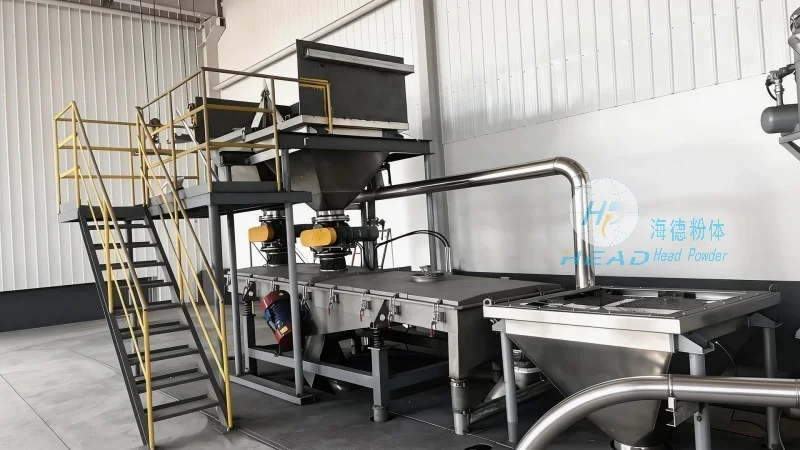
Silica fume pneumatic conveying refers to the process of transporting fine silica fume particles through a pipeline using a pressurized air or gas stream. This method eliminates the need for mechanical components like belts or buckets, making it ideal for handling abrasive and fine powders that could damage traditional equipment. The system typically consists of a material feed hopper, a conveyor line, and a receiver, all connected by a network of pipes. The air flow is controlled to maintain a consistent velocity, ensuring the particles are carried efficiently without clogging or degradation. This technology is widely used in the construction industry for delivering silica fume to batching plants and other processing facilities.
The Design Principles of Silica Fume Pneumatic Conveying Systems
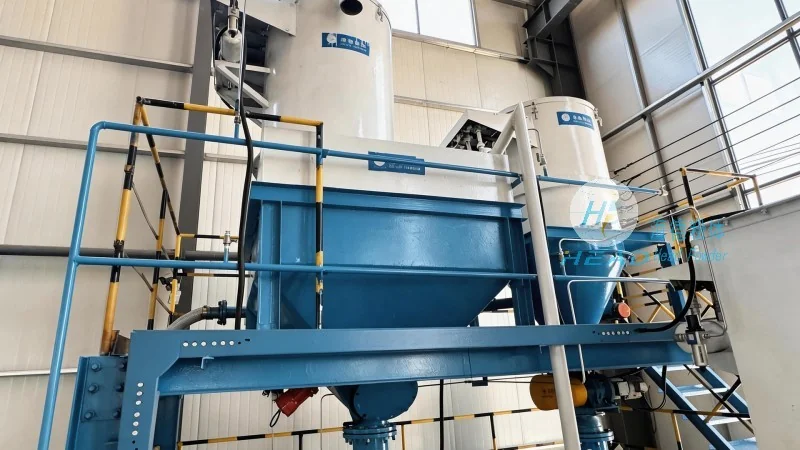
The design of a silica fume pneumatic conveying system involves several key principles to ensure optimal performance. First, the system must be designed to handle the specific properties of silica fume, including its fine particle size (typically 0.1-0.2 microns) and high specific gravity. The pipeline diameter and material are chosen to prevent particle deposition and corrosion, often using stainless steel or special alloys. Second, the air velocity must be maintained above the minimum conveying velocity to prevent particle settling. This velocity is calculated based on the particle size, density, and pipeline dimensions. Third, the system includes components like cyclones or filters to separate the silica fume from the air stream, ensuring clean air discharge and material recovery. Additionally, the system is equipped with pressure regulators and flow meters to monitor and control the air pressure and flow rate, which are critical for maintaining consistent conveying performance. Proper design also considers the system's scalability, allowing for expansion to accommodate increased production or material handling needs.
About Shandong HeadPowder Engineering Co., Ltd.
Shandong HeadPowder Engineering Co., Ltd., commonly known as HeadPowder, is a leading provider of engineering solutions for material handling and processing, with a focus on pneumatic conveying systems for industrial powders. HeadPowder specializes in designing and manufacturing customized pneumatic conveying systems tailored to the unique requirements of clients in the construction, chemical, and mining industries. The company's expertise lies in understanding the complex properties of materials like silica fume and developing efficient, reliable systems that meet the highest standards of performance and safety. HeadPowder's team of engineers and technicians work closely with clients to assess their specific needs, from initial material analysis to final system installation and commissioning. The company's commitment to quality and innovation has made it a trusted partner for businesses seeking to optimize their material handling processes and improve overall operational efficiency.
Key Advantages of Silica Fume Pneumatic Conveying Systems
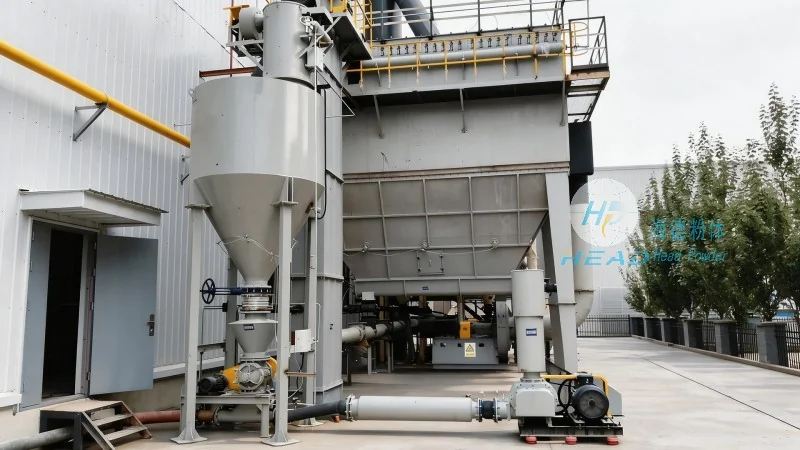
Implementing a silica fume pneumatic conveying system offers several advantages over traditional handling methods. First, it provides a dust-free and clean environment, as the system is enclosed and the air is filtered, reducing the risk of contamination and improving workplace safety. Second, the system is highly efficient, with minimal material loss and consistent flow rates, ensuring that the silica fume reaches its destination with minimal degradation. Third, the system is flexible and can be integrated with existing production lines, allowing for easy expansion or modification as production needs change. Additionally, the use of pneumatic conveying reduces the need for manual handling, which not only improves safety but also increases productivity. The system's reliability and low maintenance requirements make it a cost-effective solution for long-term material handling needs. By leveraging the design principles and expertise of companies like HeadPowder, businesses can achieve optimal performance and efficiency in their silica fume handling operations.