

What is Mine Pneumatic Conveying? What Are Its Design Principles?
For those working in the mining industry, understanding the technology behind material transport is crucial for operational efficiency and safety. One such technology is mine pneumatic conveying, a system that uses air to move bulk materials. This article will explore what mine pneumatic conveying is and the fundamental design principles that underpin its operation.
Understanding Mine Pneumatic Conveying
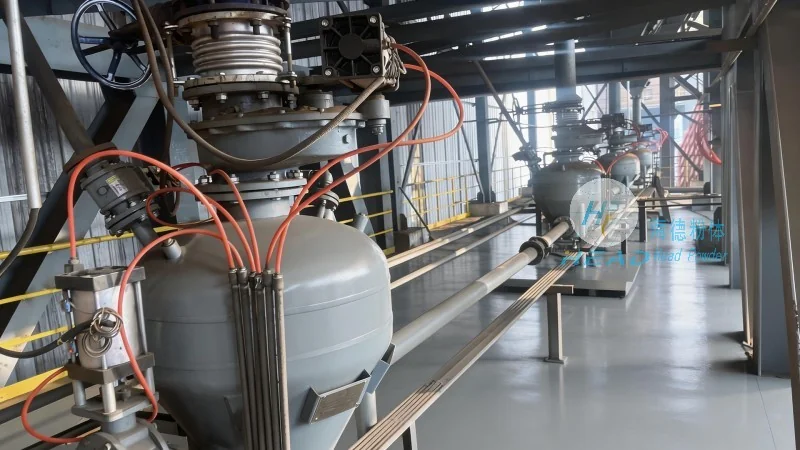
Mine pneumatic conveying is a method of transporting bulk materials, such as ore, coal, or other minerals, through a pipeline using a stream of air. Unlike traditional mechanical conveyors, this system relies on the pressure or vacuum created by the air flow to move materials. The process typically involves a hopper where the material is loaded, a conveyor line where the material travels, and a receiver where it is deposited. The air, often under pressure, is introduced at the hopper or along the line to create the necessary force for material movement.
The Core Design Principles of Mine Pneumatic Conveying
The effectiveness of a mine pneumatic conveying system is determined by several key design principles. The first is the air velocity, which must be sufficient to keep the material particles suspended in the air stream. This velocity is critical to prevent the material from settling and clogging the pipeline. Engineers calculate the required air velocity based on the size, density, and shape of the material particles, as well as the pipeline diameter and length.
Another crucial principle is the pressure drop. As air flows through the pipeline, friction causes a loss of pressure. The design must account for this pressure drop to ensure that the air maintains enough force to transport the material throughout the entire system. Proper sizing of the pipeline, use of smooth surfaces, and strategic placement of components like bends and valves are all part of managing pressure drop effectively.
System configuration is also a key design consideration. There are two main types of pneumatic conveying systems: dilute-phase and dense-phase. Dilute-phase systems operate at higher air velocities, moving material in a more dispersed state, while dense-phase systems use lower velocities and higher air-to-material ratios, often creating a plug flow. The choice between these depends on the material characteristics and the distance it needs to be transported. For example, dilute-phase systems are suitable for short to medium distances with low to medium material loads, whereas dense-phase systems are better for longer distances or when handling abrasive or valuable materials.
Components and Their Roles in the System
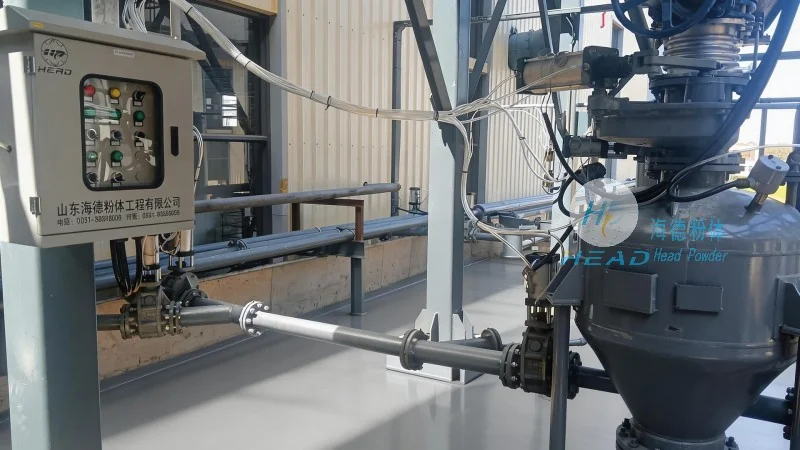
A mine pneumatic conveying system consists of several essential components, each playing a vital role in the overall operation. The hopper, as mentioned earlier, is where the material is stored and loaded. It is designed to feed the material into the system consistently, often with a feeder that controls the flow rate. The conveyor line itself is typically made of metal or plastic, chosen for its durability and resistance to the materials being transported.
The air supply system, which may include a blower or compressor, generates the necessary air pressure or vacuum. The blower's capacity and pressure rating are critical to match the system's requirements. The receiver, at the end of the line, collects the material and may include a dust collection system to control airborne particles. Valves and bends are strategically placed along the line to direct the flow and manage changes in direction or pressure.
Applications and Benefits in Mining Operations
Mine pneumatic conveying is widely used in various mining applications due to its advantages over traditional methods. It offers flexibility in layout, allowing material to be transported around obstacles or over long distances without the need for extensive infrastructure. This is particularly beneficial in underground mining, where space is limited and the need to avoid ground disturbance is high.
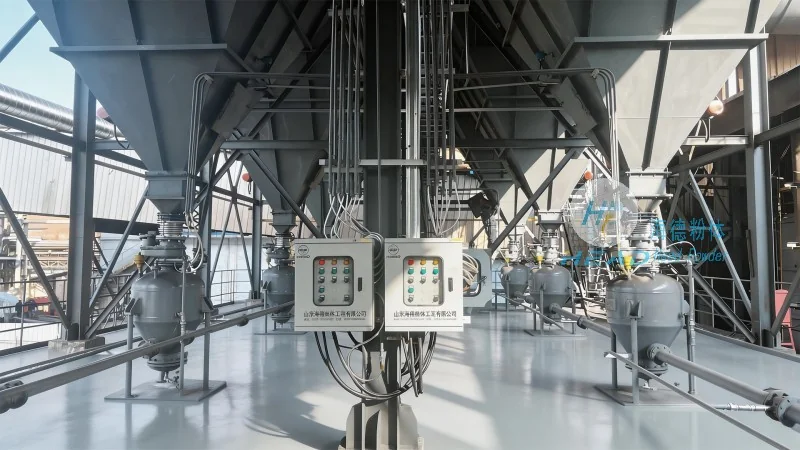
Another significant benefit is the reduction in labor and maintenance costs. Unlike mechanical conveyors that require regular maintenance for moving parts, pneumatic systems have fewer moving components, leading to lower operational costs. Additionally, the system can handle a wide range of materials, from fine powders to larger particles, making it versatile for different mining operations.
Case Study: Implementation by Shandong HeadPowder Engineering Co., Ltd.
Shandong HeadPowder Engineering Co., Ltd., a leading provider in the field, has successfully implemented mine pneumatic conveying systems for numerous mining projects. The company specializes in designing and manufacturing customized solutions tailored to the specific needs of each operation. For instance, in a coal mine, the company designed a dilute-phase system to transport coal from the mine face to the processing plant over a distance of 1.5 kilometers. The system was engineered to handle the high volume of coal while maintaining low pressure drop and minimal material degradation.
The success of this project was attributed to the careful consideration of design principles, such as selecting the appropriate air velocity and pipeline diameter. The company's engineers conducted thorough calculations based on the coal's particle size distribution and density, ensuring the system operated efficiently. The implementation also included a dust control system at the receiver, which helped maintain a safe working environment and comply with environmental regulations.
Conclusion: The Importance of Proper Design and Implementation
In conclusion, mine pneumatic conveying is a sophisticated technology that plays a vital role in modern mining operations. Its effectiveness depends heavily on adhering to the fundamental design principles, including air velocity, pressure drop management, and system configuration. By understanding these principles and leveraging the expertise of companies like Shandong HeadPowder Engineering Co., Ltd., mining operations can achieve greater efficiency, safety, and cost-effectiveness in material transport.