

What is Powdered Pharmaceutical Pneumatic Conveying? What Are Its Design Principles?
Pharmaceutical powder pneumatic conveying is a critical process in the pharmaceutical industry, enabling the safe and efficient transfer of powdered materials such as active pharmaceutical ingredients (APIs), excipients, and other raw materials. This method uses air or other gases to transport solid particles through a pipeline system, eliminating the need for mechanical components like belts or screws that could introduce contamination or damage to sensitive pharmaceutical products. The technology is essential for maintaining product integrity, ensuring compliance with stringent regulatory standards, and optimizing production efficiency in pharmaceutical manufacturing facilities.
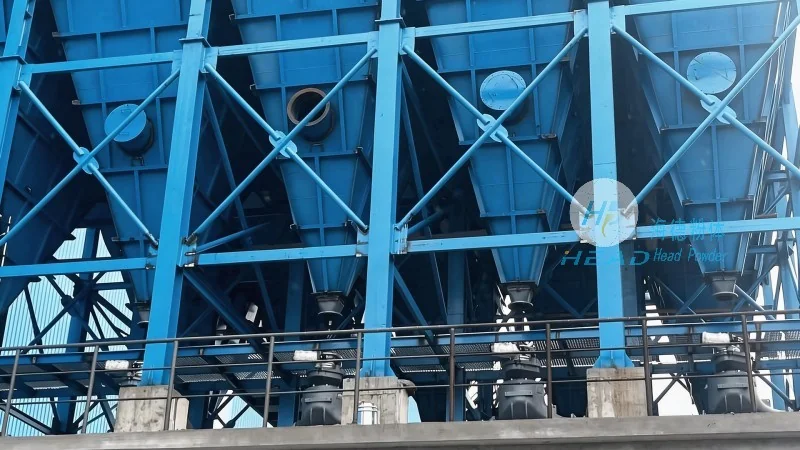
Understanding Pharmaceutical Powder Pneumatic Conveying
At its core, pharmaceutical powder pneumatic conveying involves the use of a pressurized or vacuum system to move dry powders through a sealed pipeline. The process typically includes a feeding device, a conveying line, and a receiving hopper or silo. The system can operate under either positive pressure (where air is forced into the pipeline) or negative pressure (where air is drawn out, creating a vacuum). The choice between these modes depends on factors such as the material's properties, the distance to be conveyed, and the desired level of containment. For pharmaceutical applications, positive pressure systems are often preferred as they provide better control over particle flow and reduce the risk of cross-contamination from external sources.
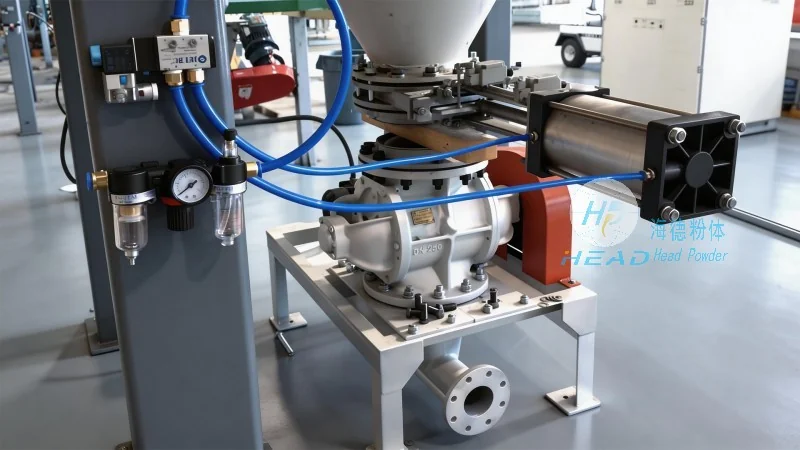
Key Design Principles of Pharmaceutical Powder Pneumatic Conveying Systems
The design of a pharmaceutical powder pneumatic conveying system must adhere to strict guidelines to ensure safety, efficiency, and compliance with industry regulations. Several key principles guide the engineering of these systems:
- Material Compatibility: All components of the system, including pipes, valves, and fittings, must be made from materials that are inert and compatible with pharmaceutical powders. Common materials include stainless steel (specifically 316L), PTFE-coated components, and specialized plastics that resist chemical attack and microbial growth. This ensures that the product remains free from contaminants and that the system can withstand the rigors of continuous operation in a cleanroom environment.
- Airflow Control and Optimization: Precise control of airflow is crucial for maintaining consistent particle velocity and preventing issues like clogging or particle degradation. Engineers design the system to achieve a "saltation velocity"—the minimum air velocity required to keep particles suspended and moving through the pipeline without settling. This velocity is calculated based on the particle size, density, and shape of the powder, as well as the diameter of the conveying line. Proper airflow management also helps minimize dust emissions and ensures that the system operates within energy-efficient parameters.
- Containment and Isolation: Pharmaceutical facilities require systems that prevent product leakage and cross-contamination. Pneumatic conveying systems are designed with sealed pipelines and positive pressure operation to contain powders within the system. Additionally, features like dust collection hoppers, filter bags, and explosion-proof designs are incorporated to protect both the product and the environment. The system may also include isolation valves and interlocks to prevent accidental release of powders into the surrounding area.
- Regulatory Compliance: Pharmaceutical pneumatic conveying systems must meet the requirements of regulatory bodies such as the FDA (U.S. Food and Drug Administration) and the EMA (European Medicines Agency). This includes adherence to guidelines on equipment sterilization, cleaning validation, and documentation. The design process often involves extensive testing and validation to demonstrate that the system can maintain product quality and safety throughout the conveying process.
Role of Shandong HeadPowder Engineering Co., Ltd. in Pharmaceutical Pneumatic Conveying
Shandong HeadPowder Engineering Co., Ltd., a leading provider of pharmaceutical engineering solutions, specializes in the design, manufacturing, and installation of advanced powder pneumatic conveying systems. With a focus on precision and compliance, the company works closely with clients to develop customized solutions tailored to their specific production needs. HeadPowder's expertise lies in integrating state-of-the-art technology with regulatory best practices, ensuring that their systems not only meet but exceed industry standards. The company is headquartered in Shandong, China, and its team of engineers and technicians brings years of experience in pharmaceutical manufacturing, enabling them to address complex challenges such as handling sensitive APIs, managing high-purity excipients, and optimizing production lines for maximum efficiency.
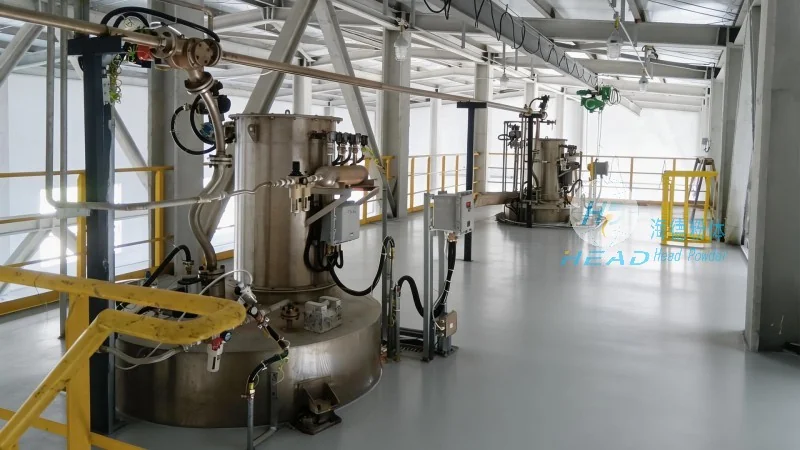
Conclusion: The Importance of Reliable Pharmaceutical Pneumatic Conveying
Pharmaceutical powder pneumatic conveying is a cornerstone of modern pharmaceutical manufacturing, providing a safe, efficient, and compliant method for transporting critical raw materials. The design principles outlined above—material compatibility, airflow control, containment, and regulatory adherence—are essential for ensuring the success of these systems. Companies like Shandong HeadPowder Engineering Co., Ltd. play a vital role in delivering these solutions, helping pharmaceutical manufacturers maintain product quality, reduce operational risks, and stay competitive in a highly regulated industry. As the pharmaceutical industry continues to evolve, the importance of reliable pneumatic conveying systems will only grow, making them an indispensable component of modern drug production.