

What is Cassava Pneumatic Conveying? Understanding Its Design Principles
Cassava, a staple crop in many tropical and subtropical regions, is widely used for food processing, starch extraction, and biofuel production. The efficient transportation of cassava from harvest sites to processing facilities is crucial for optimizing production lines and ensuring consistent quality. Pneumatic conveying, a method that uses air pressure to move bulk materials like cassava, has emerged as a preferred solution for its ability to handle abrasive and high-volume materials with minimal wear and maintenance.
Introduction to Cassava Pneumatic Conveying
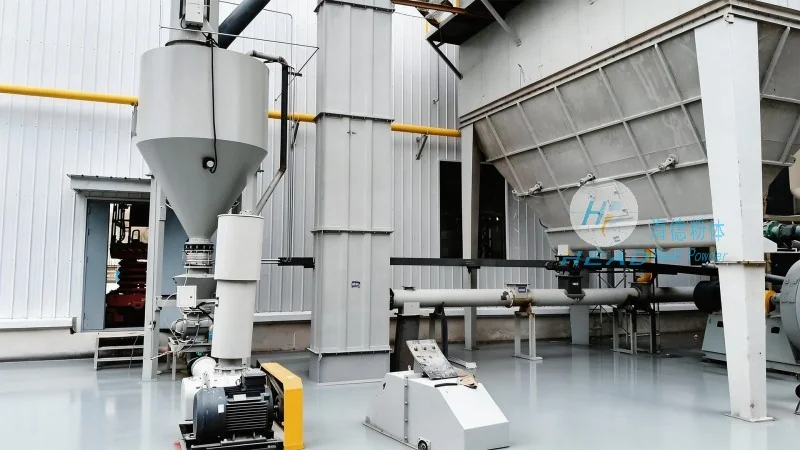
Pneumatic conveying systems transport cassava through a network of pipes using compressed air or vacuum. This technology eliminates the need for mechanical components such as belts or buckets, reducing the risk of material contamination and mechanical failure. The process involves feeding cassava into a hopper, where it is then drawn into the conveying line by the air flow. The design of the system must account for the physical properties of cassava, including its moisture content, particle size, and density, to ensure optimal performance.
Key Components of Pneumatic Conveying Systems
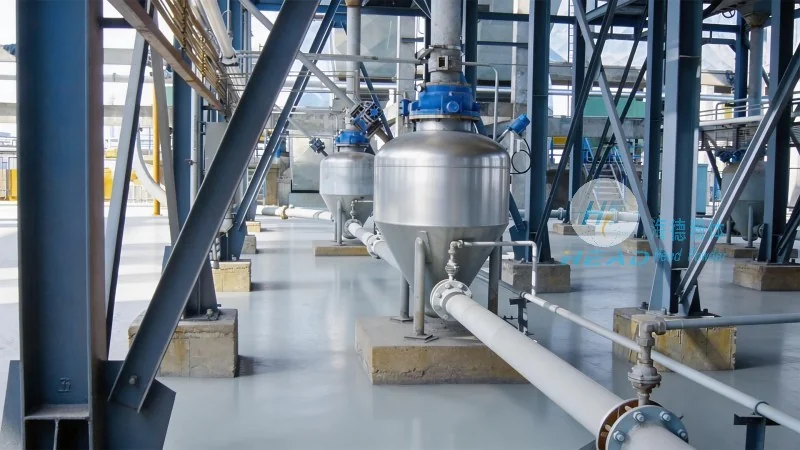
The core components of a cassava pneumatic conveying system include the hopper, feeder, conveying line, and receiver. The hopper serves as the storage and feeding unit, while the feeder regulates the flow of cassava into the system. The conveying line, typically made of stainless steel or other corrosion-resistant materials, is designed to withstand the abrasive nature of cassava particles. The receiver collects the conveyed material at the processing facility. Additional components such as filters, cyclones, and air compressors are often integrated to maintain system efficiency and air quality.
Design Principles for Efficient Cassava Handling
Designing an effective pneumatic conveying system for cassava requires careful consideration of several factors. The system must be capable of handling high volumes of material without excessive pressure drops, which can lead to energy inefficiency. The velocity of the air flow is critical; too low, and the material may settle in the line, causing blockages, while too high, and it can cause excessive wear on the equipment. The system's layout, including the number and angle of bends, also impacts performance. Proper sizing of the conveying line and air compressor is essential to maintain consistent flow rates and prevent system overload.
HeadPowder's Expertise in Pneumatic Conveying Solutions
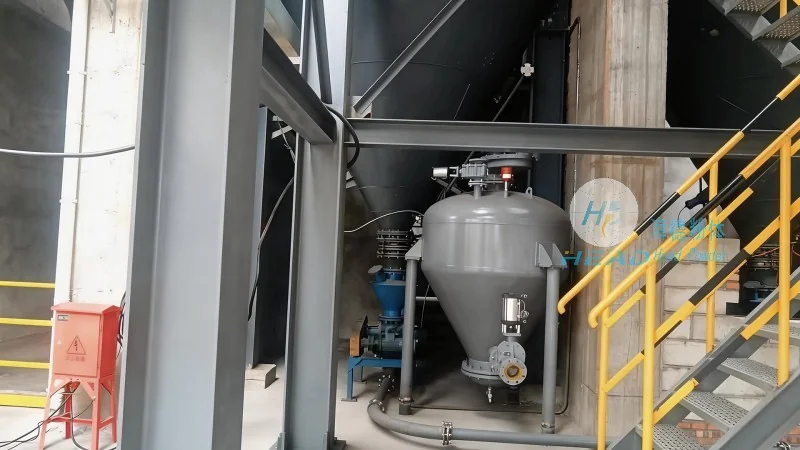
Shandong HeadPowder Engineering Co., Ltd., a leading manufacturer of bulk material handling equipment, specializes in designing and manufacturing pneumatic conveying systems tailored to the unique needs of cassava processing. With years of experience in the industry, HeadPowder has developed advanced solutions that address the challenges of handling cassava, including its high moisture content and abrasive properties. The company's products are engineered to maximize efficiency, minimize maintenance, and ensure long-term reliability. HeadPowder's team of engineers works closely with clients to understand their specific processing requirements and provides customized solutions that meet their operational goals.
Practical Applications and Benefits
Pneumatic conveying systems are widely used in cassava processing plants for tasks such as transporting raw cassava from storage to processing units, moving processed products like starch or flour, and handling waste materials. The benefits of using pneumatic conveying include improved hygiene, reduced labor costs, and increased production throughput. Unlike mechanical systems, pneumatic conveyors do not come into direct contact with the material, minimizing the risk of contamination and ensuring compliance with food safety regulations. Additionally, the system's ability to handle high volumes of material with minimal downtime makes it an attractive option for large-scale processing operations.