

What is Winery Slurry Pneumatic Conveying? And What Are Its Design Principles?
Winery slurry, a byproduct of winemaking, presents unique challenges when it comes to handling and transporting. Pneumatic conveying systems offer an efficient solution for moving these viscous and often abrasive materials. This article explores the concept of winery slurry pneumatic conveying and delves into the key design principles that ensure effective and reliable operation.
Understanding Winery Slurry and Its Handling Requirements
Winery slurry, also known as grape pomace or grape waste, consists of crushed grapes, skins, seeds, and stems after the fermentation process. This material is typically high in moisture content and can be quite thick, making it difficult to handle with traditional methods like gravity or mechanical conveyors. The abrasive nature of the slurry can also pose challenges to equipment components, requiring robust and durable design solutions.
Pneumatic Conveying: An Efficient Solution for Slurry Transport
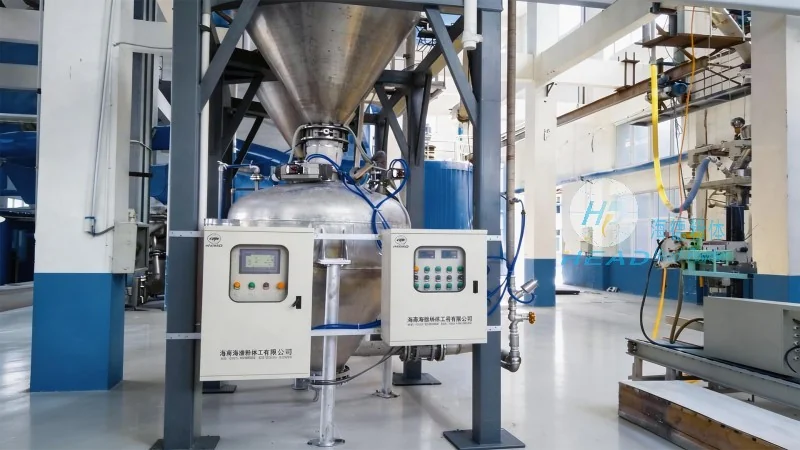
Pneumatic conveying uses compressed air or other gases to transport bulk materials through a pipeline. For winery slurry, this method is particularly advantageous because it can handle materials with high moisture content and varying consistencies without the need for additional equipment like pumps or augers. The system typically involves a hopper to feed the slurry, a compressor to generate the air flow, and a pipeline network to transport the material to its destination, such as a storage tank or processing unit.
Key Design Principles for Winery Slurry Pneumatic Conveying Systems
The success of a winery slurry pneumatic conveying system depends on several critical design principles. First, the system must be capable of handling the specific characteristics of the slurry, including its viscosity, moisture content, and particle size distribution. This often requires customizing the pipeline diameter, air velocity, and pressure to ensure smooth flow and prevent blockages.
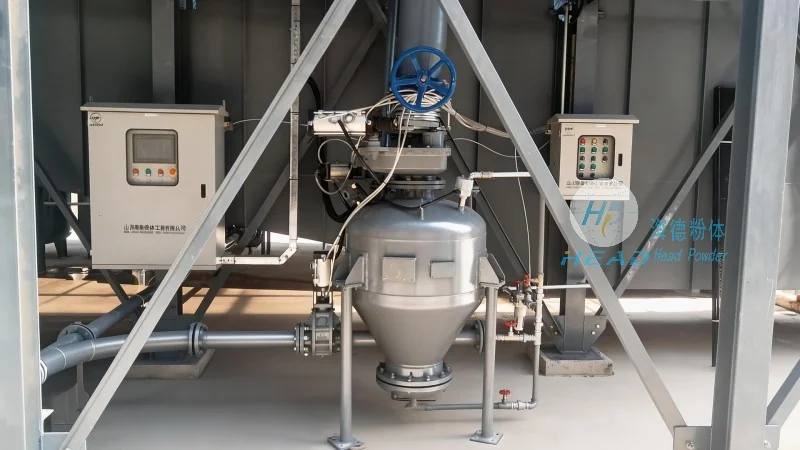
Second, material compatibility is a key consideration. Components such as the hopper, pipeline, and air valves must be made from materials resistant to the acidic and abrasive properties of the slurry. Stainless steel and specialized coatings are commonly used to prevent corrosion and wear. Additionally, the system should incorporate features like air filters and moisture separators to maintain air quality and prevent damage to the compressor.
Third, energy efficiency is an important design factor. Optimizing the air velocity and pressure to the minimum required for effective transport reduces energy consumption and operating costs. This may involve using variable frequency drives on the compressor to adjust air flow based on the load, ensuring that the system operates only as needed.
System Components and Their Functionality
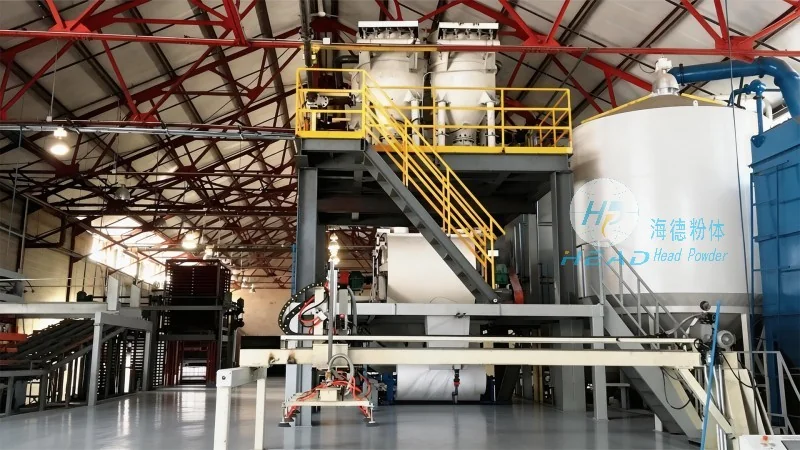
A typical winery slurry pneumatic conveying system includes several key components. The hopper is designed to feed the slurry into the pipeline, often equipped with a rotary valve to control the flow rate. The compressor generates the necessary air pressure, with options ranging from rotary lobe to centrifugal types, depending on the system's capacity and pressure requirements. The pipeline network connects the hopper to the destination, with bends and elbows carefully designed to minimize pressure loss and maintain consistent air flow. At the receiving end, a separator or cyclone is used to separate the slurry from the air, allowing the material to be collected in a storage tank or further processed.
Benefits of Implementing Pneumatic Conveying for Winery Slurry
Adopting a pneumatic conveying system for winery slurry offers several benefits. It reduces labor costs by automating the transport process, minimizing the need for manual handling of heavy and messy materials. The system also improves hygiene and safety by containing the slurry within a closed pipeline, preventing exposure to workers and reducing the risk of contamination. Furthermore, by optimizing the design, the system can achieve high efficiency in material transport, reducing downtime and maintenance requirements.
Conclusion: The Importance of Proper Design in Winery Slurry Conveying
Winery slurry pneumatic conveying is a specialized application that requires careful consideration of the material's properties and the system's design. By adhering to key principles such as material compatibility, energy efficiency, and proper component selection, wineries can achieve reliable and efficient transport of their slurry. The expertise of companies like Shandong HeadPowder Engineering Co., Ltd., with their focus on engineering solutions tailored to the wine industry, plays a crucial role in ensuring that these systems operate effectively and meet the specific needs of winemaking operations.