

What is Quicklime Pneumatic Conveying? What are the Design Principles?
Quicklime, also known as calcium hydroxide, is a widely used industrial chemical in various sectors including construction, agriculture, and environmental treatment. Pneumatic conveying is a method used to transport bulk materials like quicklime through a pipeline using air or other gas as the conveying medium. This article explores the concept of quicklime pneumatic conveying and delves into the design principles that ensure efficient and reliable material transport.
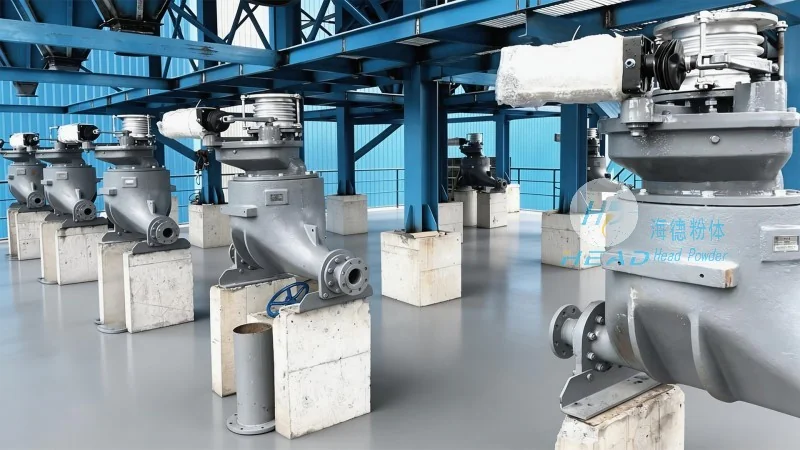
Understanding Quicklime and Its Handling Requirements
Quicklime is a highly reactive alkaline substance that is often handled in bulk quantities. Its physical properties, such as particle size, density, and moisture content, significantly influence the choice of pneumatic conveying system. For instance, quicklime particles can be fine or coarse, and they may have a tendency to agglomerate or create dust during handling. These characteristics require careful consideration in the design of the conveying system to prevent blockages, system inefficiencies, or safety hazards.
Types of Pneumatic Conveying Systems for Quicklime
There are two primary types of pneumatic conveying systems: positive pressure (or pressure) systems and negative pressure (or vacuum) systems. Each type has distinct advantages and is suitable for different applications based on the material characteristics and operational requirements.
Positive pressure systems operate by blowing air or gas into the conveying line, pushing the material forward. These systems are generally more suitable for transporting quicklime over longer distances or through complex pipe networks. They can handle a wider range of particle sizes and are less prone to clogging compared to vacuum systems. However, they require higher air pressure and may need more robust equipment to handle the pressure differentials.
Negative pressure systems, on the other hand, use a vacuum to draw the material into the conveying line. This approach is often preferred for applications where the material needs to be transported from a source to a destination with a lower elevation or where the material is sensitive to high pressure. Vacuum systems are typically more suitable for shorter distances and less complex layouts. They are also easier to install and maintain in some cases, but they may have limitations in handling larger or more abrasive particles.
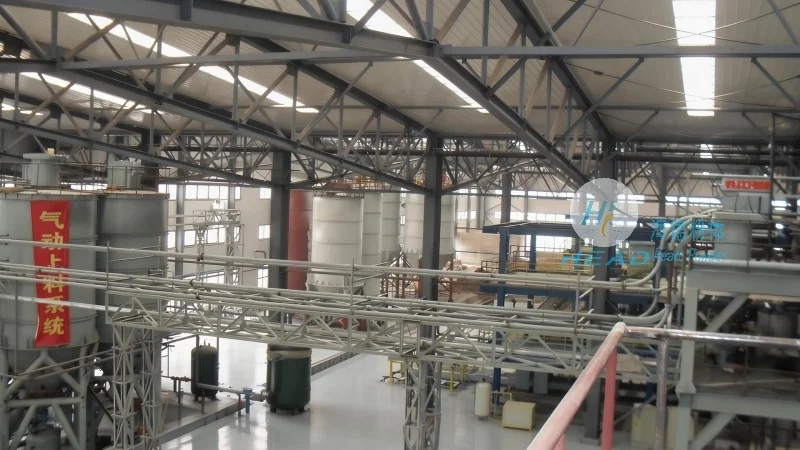
Key Design Principles for Quicklime Pneumatic Conveying
The design of a quicklime pneumatic conveying system involves several critical principles to ensure optimal performance and safety. These principles include system selection, air flow rate calculation, pipe sizing, and equipment selection.
System selection is the first step in the design process. The choice between positive and negative pressure systems depends on factors such as the distance to be covered, the layout of the conveying path, and the material characteristics. For example, if the quicklime needs to be transported over a long distance with multiple turns and elevations, a positive pressure system might be more appropriate due to its ability to maintain pressure and overcome resistance. Conversely, if the material is to be transported from a higher elevation to a lower one over a short distance, a vacuum system could be more efficient.
Air flow rate calculation is another crucial aspect. The air velocity in the conveying line must be sufficient to keep the quicklime particles suspended and prevent them from settling or sticking to the pipe walls. The air-to-solid ratio (air flow rate per unit mass of material) is a key parameter that determines the system's capacity and efficiency. For quicklime, the optimal air-to-solid ratio typically ranges from 0.5 to 2.0, depending on the particle size and system type. Calculating this ratio accurately ensures that the system operates at peak efficiency without excessive energy consumption.
Pipe sizing is essential to maintain the required air velocity and prevent pressure drop. The diameter of the conveying pipe is determined based on the material flow rate, air velocity, and the desired system pressure. Larger pipe diameters reduce pressure drop and improve system efficiency but increase material costs. Smaller diameters are more cost-effective but may lead to higher pressure losses and reduced capacity. The design must balance these factors to achieve the best performance.
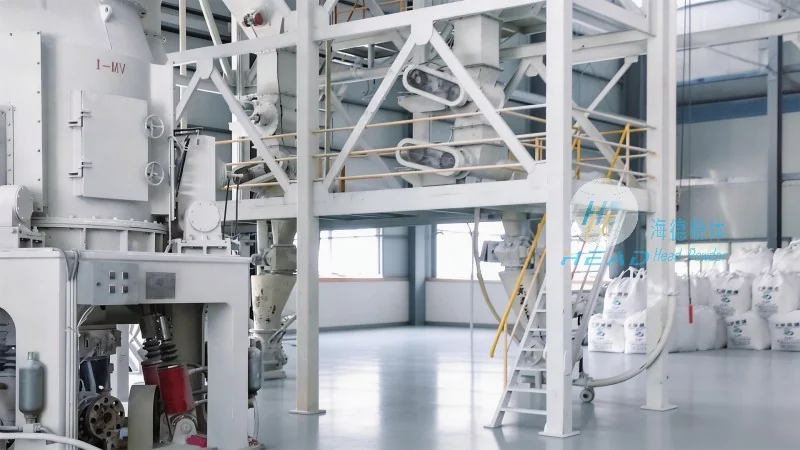
Equipment selection includes the choice of feeders, blowers, and control systems. Feeders are responsible for accurately metering the quicklime into the conveying line. For quicklime, which can be fine and dusty, a rotary valve or a screw feeder is commonly used to ensure consistent material flow and prevent clogging. Blowers or compressors provide the necessary air pressure or vacuum. The selection of the right equipment depends on the system type, material characteristics, and operational requirements. For example, a positive pressure system may use a centrifugal blower, while a vacuum system might employ a roots blower or a vacuum pump.
Material Handling Considerations and Safety
Handling quicklime requires special considerations due to its reactivity and potential health hazards. Quicklime is hygroscopic, meaning it absorbs moisture from the air, which can lead to clumping and increased dust generation. To mitigate this, the conveying system should be designed to minimize exposure to ambient air and moisture. This may involve using sealed containers or enclosed feeders to keep the material dry and prevent dust formation.
Additionally, quicklime is an irritant to the skin, eyes, and respiratory system. Proper safety measures must be in place during the design and operation of the system. This includes using dust collection systems to capture any airborne particles, providing personal protective equipment (PPE) to operators, and ensuring that the system is properly vented to prevent the buildup of dust or gas. The design should also consider the potential for chemical reactions if the quicklime comes into contact with acidic materials, as this can cause corrosion or other safety issues.
Conclusion
Quicklime pneumatic conveying is an efficient method for transporting bulk quicklime, but its success depends on a well-designed system that considers the material's properties and operational requirements. By understanding the design principles, including system selection, air flow rate calculation, pipe sizing, and equipment choice, engineers can develop a reliable and cost-effective conveying system. The company, Shandong HeadPowder Engineering Co., Ltd., based in Shandong, China, specializes in the design and manufacturing of such systems, providing tailored solutions for various industrial applications. Their expertise in handling bulk materials like quicklime ensures that clients receive systems that meet their specific needs while adhering to safety and efficiency standards.