

What is Alumina Pneumatic Conveying? What Are the Design Principles?
What is Alumina Pneumatic Conveying? What Are the Design Principles?
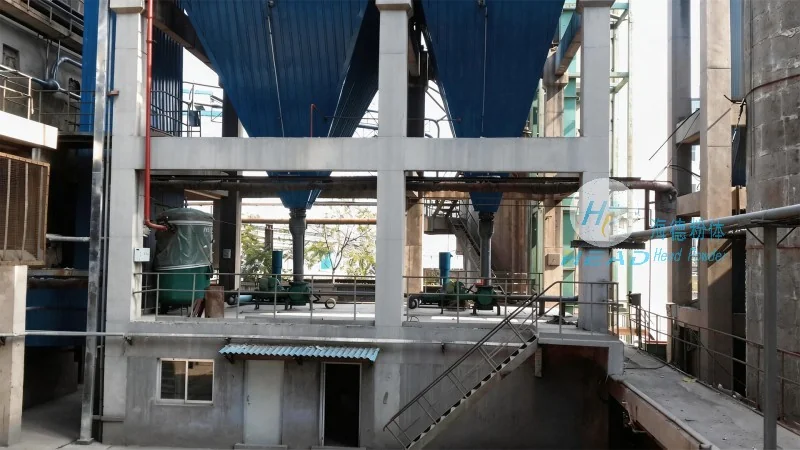
Introduction to Alumina Pneumatic Conveying
Alumina, a critical raw material in the production of ceramics, refractories, and other industrial applications, often requires efficient and reliable material handling solutions. Pneumatic conveying systems offer a viable alternative to traditional bulk material transport methods, such as belt conveyors or bucket elevators. This article explores the concept of alumina pneumatic conveying, detailing its operational principles and the key design considerations that ensure optimal performance in industrial settings.
Understanding Pneumatic Conveying Systems
Pneumatic conveying systems utilize compressed air or other gases to transport bulk materials through a network of pipes. The process involves several key components, including a material feed hopper, a conveying line, a separator, and a dust collection system. The design of these systems is tailored to the specific properties of the material being transported, with alumina's characteristics—such as its density, particle size distribution, and flowability—playing a crucial role in system selection and configuration.
Core Design Principles for Alumina Pneumatic Conveying
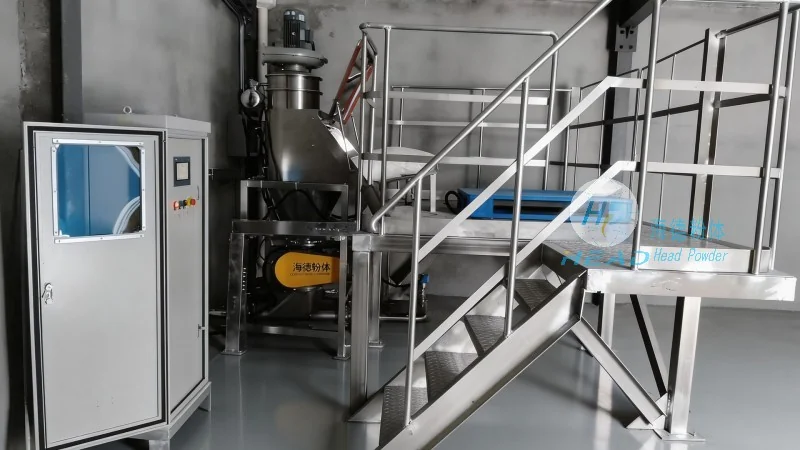
The design of an alumina pneumatic conveying system must address several critical factors to ensure efficient and safe operation. First, the system must be capable of handling the material's particle size and density, which can vary significantly depending on the production process. For example, fine alumina powders may require a high-pressure, low-volume system, while larger granules might benefit from a low-pressure, high-volume approach. Second, the system must incorporate proper air flow management to prevent material buildup or blockages in the conveying lines. This involves calculating the appropriate air velocity and pressure to maintain consistent material transport without causing excessive wear on system components.
Third, the design must prioritize dust control and environmental compliance. Alumina is a fine powder that can generate significant airborne dust, posing health and safety risks. Therefore, the system typically includes a dust collection unit, such as a cyclone separator or a baghouse filter, to capture and remove particles from the air stream. Additionally, the system's layout must minimize the risk of dust leakage, with proper sealing of connections and the use of explosion-proof components where necessary.
HeadPowder's Expertise in Alumina Pneumatic Conveying
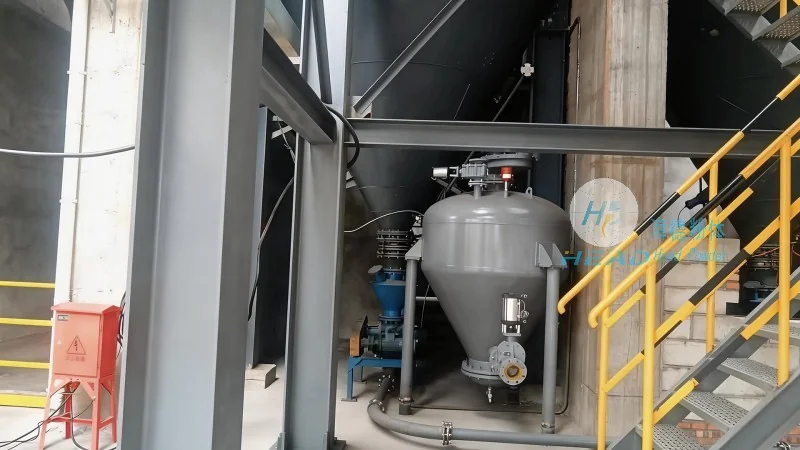
Shandong HeadPowder Engineering Co., Ltd., a leading provider of bulk material handling solutions, specializes in designing and implementing customized pneumatic conveying systems for alumina and other industrial powders. With years of experience in the field, HeadPowder's engineers leverage advanced engineering principles to develop systems that meet the unique demands of each client. The company's approach involves a thorough analysis of the material's properties, the process requirements, and the operational environment to ensure the most effective and efficient solution.
HeadPowder's alumina pneumatic conveying systems are designed with durability and reliability in mind. The use of high-quality materials, such as stainless steel for the conveying lines and wear-resistant components for the feeders and separators, ensures long-term performance even under harsh conditions. The company also incorporates intelligent control systems that monitor air pressure, flow rates, and material levels in real-time, allowing for automatic adjustments to maintain optimal operation. This not only improves efficiency but also reduces downtime and maintenance costs.
Key Advantages of Alumina Pneumatic Conveying with HeadPowder
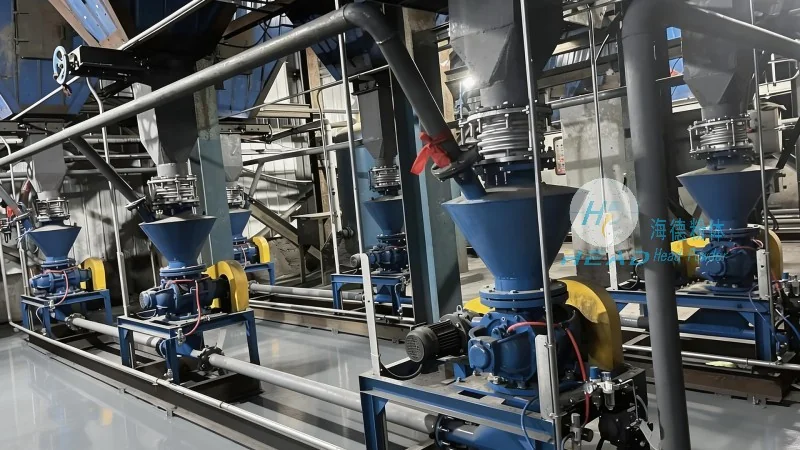
Implementing an alumina pneumatic conveying system with HeadPowder offers several advantages over traditional transport methods. First, the system provides a dust-free and enclosed environment, enhancing workplace safety and reducing the risk of material contamination. Second, the enclosed design minimizes material loss and improves product quality by preventing exposure to moisture or other contaminants. Third, the system's flexibility allows for easy integration with existing production lines, with minimal disruption to operations. Additionally, the energy efficiency of pneumatic conveying systems can lead to significant cost savings over time, as they typically consume less power than mechanical conveyors.
Conclusion
Alumina pneumatic conveying is a sophisticated and effective method for transporting bulk materials, offering numerous benefits in terms of efficiency, safety, and cost-effectiveness. The design principles outlined above, combined with the expertise of companies like Shandong HeadPowder Engineering Co., Ltd., ensure that these systems can be tailored to meet the specific needs of industrial applications. By understanding the key factors involved in system design and leveraging specialized engineering knowledge, industries can achieve reliable and sustainable material handling solutions for alumina and other similar materials.