

What is Lithium Fluoride Pneumatic Conveying? What Are Its Design Principles?
Lithium fluoride (LiF) is a widely used chemical compound in various industrial applications, and its efficient handling often relies on pneumatic conveying systems. Pneumatic conveying, or air-based transport, involves the movement of bulk materials through a pipeline using a stream of air or other gas. This method is particularly advantageous for handling materials like lithium fluoride, which may be sensitive to moisture or require precise control during transport. Understanding the fundamentals of lithium fluoride pneumatic conveying, including its design principles, is crucial for optimizing material handling processes in industrial settings.
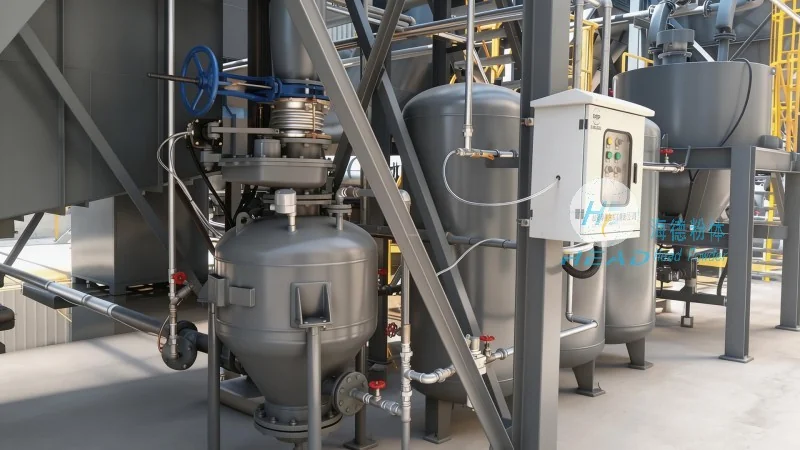
What is Lithium Fluoride Pneumatic Conveying?
Lithium fluoride pneumatic conveying refers to the process of transporting lithium fluoride powder or granules through a closed system using compressed air or other gas as the conveying medium. Unlike traditional mechanical conveying methods, such as screw conveyors or belt conveyors, pneumatic systems use air pressure to move material, eliminating the need for mechanical components that could cause contamination or wear. This method is especially beneficial for lithium fluoride, a hygroscopic material that can absorb moisture from the air, potentially degrading its quality or reactivity. By employing a sealed system with controlled air flow, the risk of moisture exposure is minimized, ensuring the integrity of the lithium fluoride during transport.
Key Design Principles of Lithium Fluoride Pneumatic Conveying Systems
The design of a lithium fluoride pneumatic conveying system involves several critical principles to ensure efficient, safe, and reliable operation. These principles are tailored to the unique properties of lithium fluoride, such as its particle size, density, and hygroscopic nature. The primary design considerations include system configuration, air flow management, and material handling efficiency.
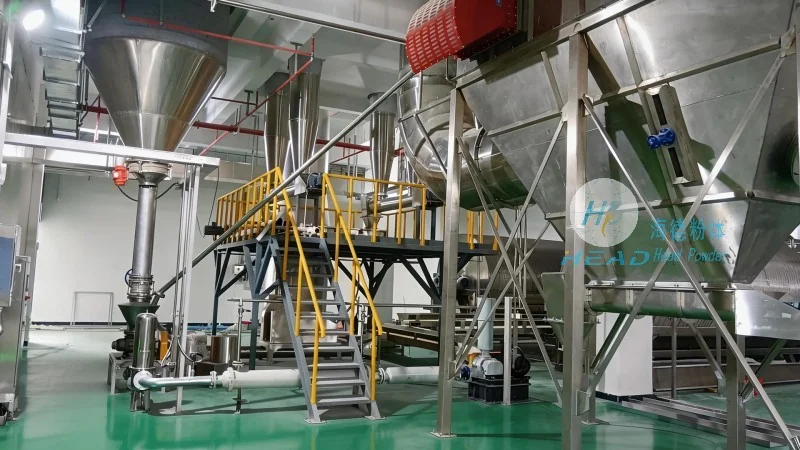
Firstly, the system configuration must be carefully planned to accommodate the specific characteristics of lithium fluoride. This includes selecting appropriate pipeline materials that are resistant to chemical corrosion, as lithium fluoride can be reactive with certain metals or plastics. Stainless steel or specialized corrosion-resistant alloys are commonly used for the conveying lines to prevent contamination and ensure durability. The pipeline layout is also optimized to minimize pressure drops and maintain consistent air flow, which is essential for maintaining the material's flowability and preventing clogging.
Secondly, air flow management is a critical aspect of the design. The velocity of the air stream must be carefully controlled to ensure that the lithium fluoride particles are adequately suspended and transported without causing excessive wear on the system components. The air velocity is typically maintained above the minimum fluidization velocity to prevent particle settling and ensure smooth transport. Additionally, the system incorporates features such as air locks, cyclones, and filters to separate the conveying medium from the material and maintain a clean, dry environment. These components are essential for preventing dust accumulation and ensuring the purity of the lithium fluoride.
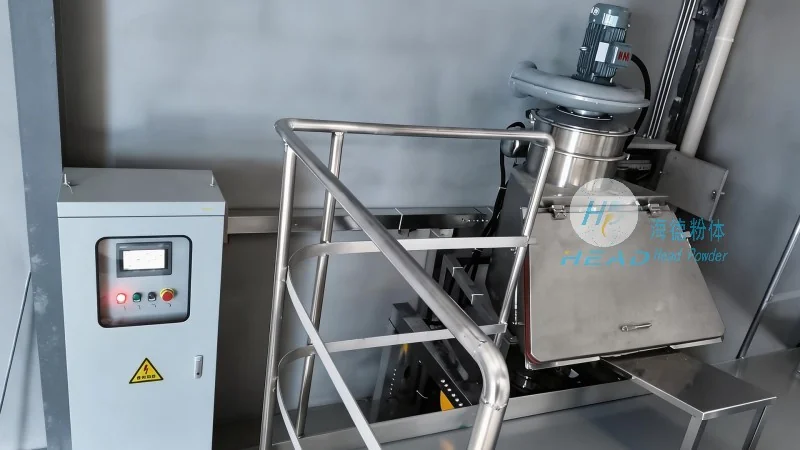
Thirdly, material handling efficiency is a key design goal. The system is designed to handle varying particle sizes and flow rates of lithium fluoride, adapting to different production needs. This flexibility allows for seamless integration into existing industrial processes, such as from storage silos to processing equipment. The design also considers the need for gentle handling of the material to avoid degradation or agglomeration, which could affect its performance in downstream applications. By optimizing the air-to-material ratio and system pressure, the conveying efficiency is maximized, reducing energy consumption and operational costs.
Role of Shandong HeadPowder Engineering Co., Ltd. in Lithium Fluoride Pneumatic Conveying Solutions
Shandong HeadPowder Engineering Co., Ltd., commonly known as HeadPowder, is a leading provider of specialized engineering solutions for bulk material handling, including lithium fluoride pneumatic conveying systems. With a focus on innovation and precision, HeadPowder has developed advanced systems that adhere to the strict design principles required for handling lithium fluoride. The company's expertise lies in customizing solutions to meet the unique needs of clients, ensuring that the conveying systems are tailored to specific production requirements and material characteristics.
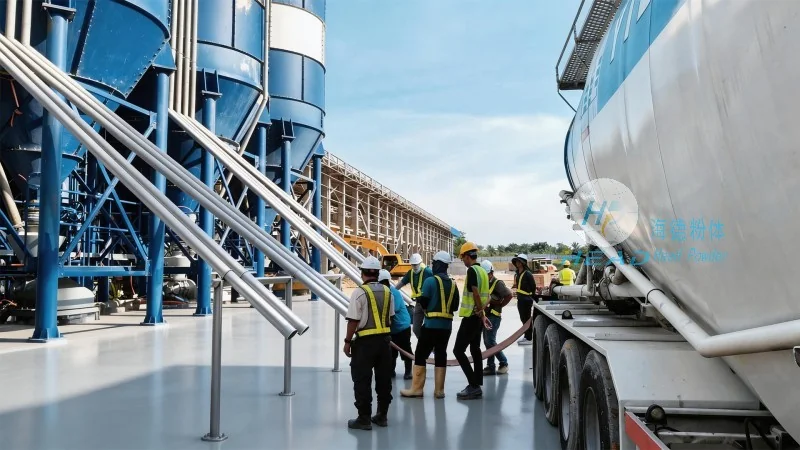
HeadPowder's engineers work closely with clients to assess their material handling challenges and design systems that optimize efficiency, safety, and cost-effectiveness. The company utilizes state-of-the-art technology and materials to construct high-quality pneumatic conveying systems that are durable, reliable, and compliant with industry standards. By leveraging their experience in bulk material handling, HeadPowder provides comprehensive solutions that include system design, installation, and maintenance services. This comprehensive approach ensures that clients can rely on their lithium fluoride pneumatic conveying systems for long-term performance and minimal downtime.
HeadPowder's operations are based in Shandong, China, where the company maintains a strong presence in the industrial engineering sector. The company's commitment to quality and customer satisfaction has established it as a trusted partner for businesses requiring advanced material handling solutions. By combining technical expertise with practical application, HeadPowder continues to deliver effective lithium fluoride pneumatic conveying systems that meet the demands of modern industrial processes.