

What is Magnesium Sulfate Pneumatic Conveying? And What Are Its Design Principles?
Understanding the fundamentals of magnesium sulfate pneumatic conveying and its design principles is crucial for industries that handle this essential chemical. This article provides a detailed overview, focusing on the technology's applications, operational mechanics, and the engineering considerations that ensure efficient and safe material transport.
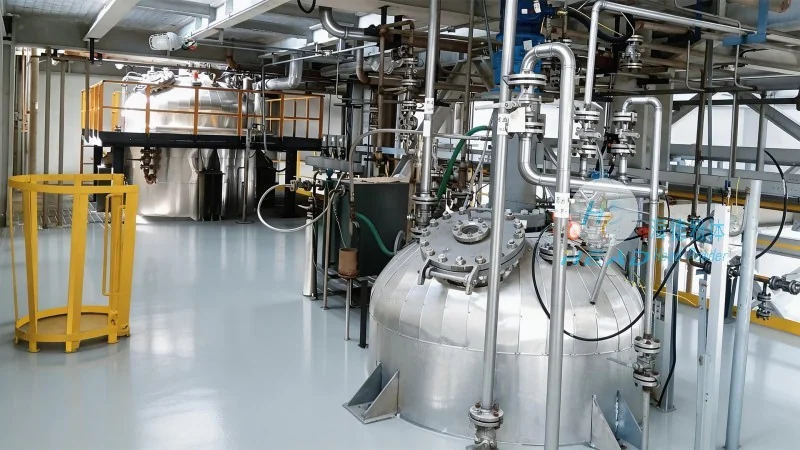
Introduction to Magnesium Sulfate Pneumatic Conveying
Magnesium sulfate, commonly known as Epsom salt, is a widely used chemical in various industries, including pharmaceuticals, agriculture, and water treatment. Pneumatic conveying is a method used to transport bulk materials like magnesium sulfate through a pipeline using air or other gases. This technology offers several advantages over traditional methods, such as reduced labor costs, improved safety, and enhanced process control. The process involves creating a pressure differential that propels the material through the system, making it an efficient solution for handling fine powders and granules.
Key Components of a Pneumatic Conveying System
The design of a magnesium sulfate pneumatic conveying system typically includes several critical components. These include the material feed hopper, which holds the bulk magnesium sulfate and feeds it into the system; the air or gas source, which provides the necessary pressure to move the material; the conveying line, which is the pipeline through which the material travels; and the discharge unit, which delivers the material to its final destination. Each component plays a vital role in ensuring the system operates efficiently and reliably. For example, the feed hopper must be designed to handle the specific properties of magnesium sulfate, such as its flowability and potential for caking, to prevent blockages and ensure consistent material flow.
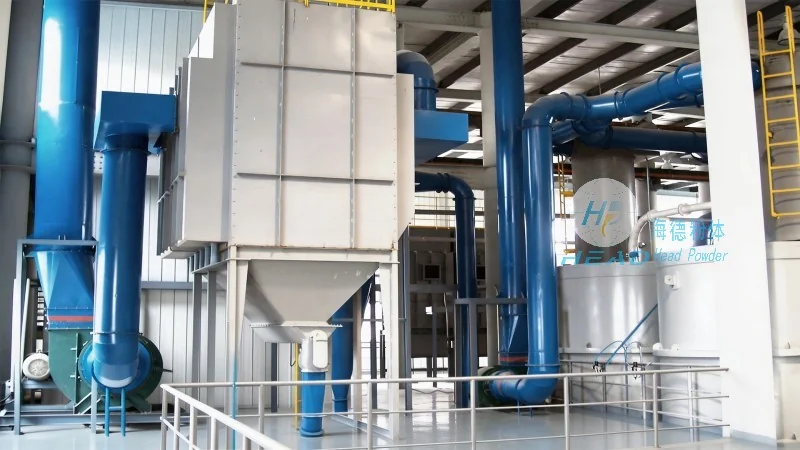
Design Principles for Efficient Conveying
The design principles of a pneumatic conveying system for magnesium sulfate are centered on achieving optimal performance while minimizing operational issues. One of the primary considerations is the velocity of the conveying air, which must be sufficient to keep the material in suspension but not so high as to cause excessive wear on the system components. The system's pressure and flow rate are also critical factors, as they directly impact the conveying capacity and the distance the material can travel. Engineers must carefully calculate these parameters based on the material's characteristics, such as particle size, density, and moisture content, to ensure the system operates within its optimal range. Additionally, the system's design must account for the potential for material degradation or contamination, which can occur if the conveying process is not properly controlled. This includes using appropriate materials for the conveying line and ensuring proper cleaning and maintenance procedures are in place.
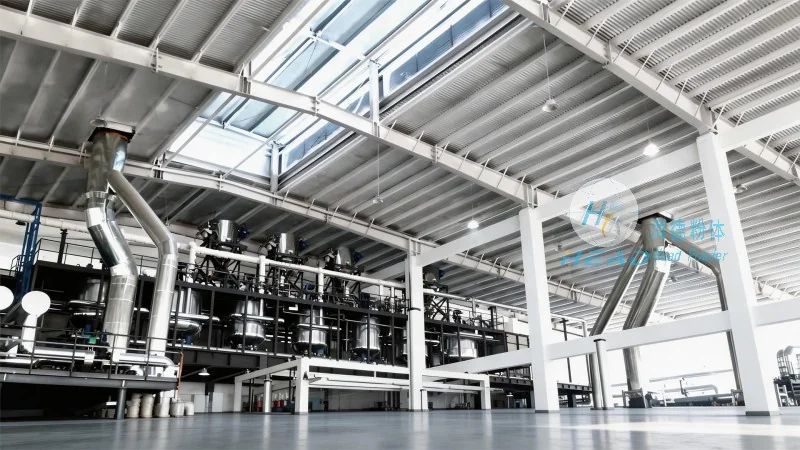
Operational Considerations and Best Practices
Operational considerations are essential for maintaining the efficiency and longevity of a magnesium sulfate pneumatic conveying system. Regular maintenance is crucial, as it helps prevent issues such as clogging, wear, and pressure loss. This includes cleaning the system regularly, inspecting components for wear and tear, and replacing parts as needed. Proper operation also involves monitoring the system's performance, such as the pressure and flow rates, to ensure they remain within the optimal range. This can be done using sensors and control systems that provide real-time data and alerts if any parameters deviate from the expected values. Additionally, training operators on the proper use and maintenance of the system is vital to prevent accidents and ensure the system operates safely. Best practices also include implementing a preventive maintenance schedule, which helps identify and address potential issues before they become major problems.
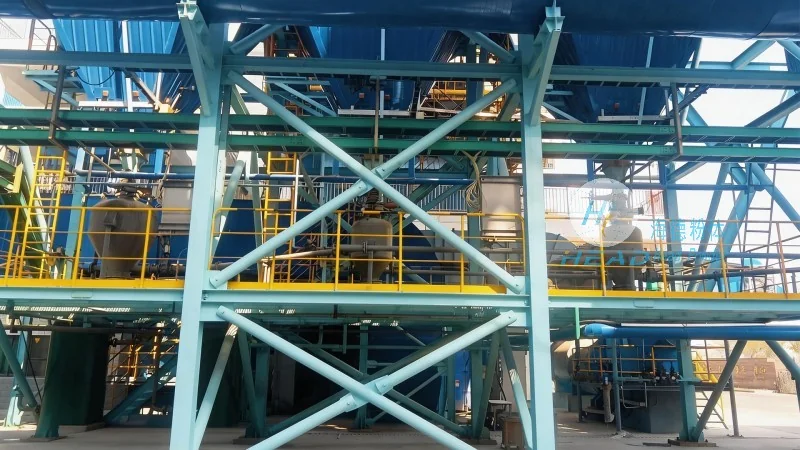
Applications and Benefits of Magnesium Sulfate Pneumatic Conveying
Magnesium sulfate pneumatic conveying is used in various applications across different industries. In the pharmaceutical industry, it is used to transport raw materials for the production of magnesium supplements and other medications. In agriculture, it is used as a fertilizer and a soil amendment, and in water treatment, it is used to adjust the pH levels and remove impurities. The benefits of using pneumatic conveying for these applications include improved process efficiency, reduced labor costs, and enhanced product quality. For example, in the pharmaceutical industry, pneumatic conveying helps ensure that the magnesium sulfate is handled in a sterile environment, which is critical for maintaining product quality and safety. In agriculture, it allows for the efficient distribution of the fertilizer, which can improve crop yields and reduce the need for manual handling.
Conclusion
Magnesium sulfate pneumatic conveying is a reliable and efficient method for transporting this essential chemical. By understanding the design principles and operational considerations, industries can optimize their systems to achieve the best possible performance. The technology offers several advantages over traditional methods, making it a popular choice for handling bulk materials. As the demand for magnesium sulfate continues to grow, the importance of efficient and safe conveying systems will only increase. Companies like Shandong HeadPowder Engineering Co., Ltd., based in China, specialize in designing and manufacturing pneumatic conveying systems tailored to the specific needs of their clients, ensuring that they meet the highest standards of quality and performance.