

What is Lithium Oxalate Pneumatic Conveying? And What Are Its Design Principles?
Understanding the fundamentals of lithium oxalate pneumatic conveying is crucial for industries that rely on efficient material handling solutions. This article delves into the concept of pneumatic conveying systems specifically designed for lithium oxalate, a critical chemical compound used in various applications, and explores the underlying design principles that ensure optimal performance and reliability.
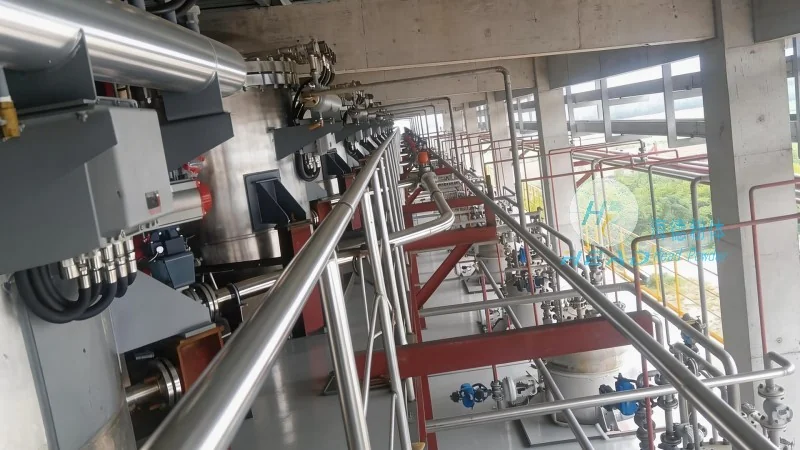
Introduction to Lithium Oxalate Pneumatic Conveying
Lithium oxalate is a white crystalline powder widely used in the production of lithium-ion batteries, pharmaceuticals, and other industrial processes. Traditional material handling methods, such as bucket elevators or belt conveyors, may not be suitable for handling fine powders like lithium oxalate due to issues like dust generation, material degradation, and operational inefficiencies. Pneumatic conveying offers a solution by transporting the material through a pipeline using air or gas as the conveying medium. This method is particularly advantageous for lithium oxalate because it minimizes contamination, reduces product loss, and provides a clean, enclosed system that enhances safety and process control.
About HeadPowder Engineering Co., Ltd.
HeadPowder Engineering Co., Ltd., a leading provider of advanced material handling technologies, specializes in designing and manufacturing pneumatic conveying systems tailored to the unique needs of various industries. With a strong commitment to innovation and quality, HeadPowder has established itself as a trusted partner for businesses seeking reliable solutions for transporting fine powders. The company's expertise lies in understanding the complexities of material properties and process requirements, enabling the development of customized systems that meet stringent industry standards.
The Core Design Principles of Lithium Oxalate Pneumatic Conveying Systems
The design of a lithium oxalate pneumatic conveying system involves several key principles that ensure efficient and safe operation. The first principle is the selection of appropriate air flow rates and pressure levels. The conveying air must be sufficient to overcome the resistance of the material in the pipeline while maintaining a stable flow. For lithium oxalate, which is a fine powder with low bulk density, higher air velocities are often required to prevent particle settling and ensure consistent transport. The system typically operates under positive pressure, where compressed air is used to push the material through the pipeline, or under negative pressure, where vacuum is applied to draw the material.
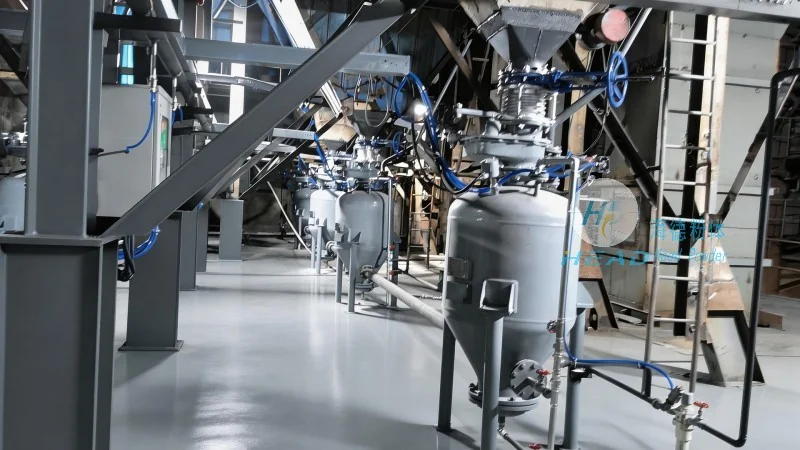
A second critical design principle is the configuration of the conveying pipeline. The pipeline diameter, length, and bends all impact the system's performance. Larger diameter pipes reduce friction losses and improve material flow, while proper bend radii minimize pressure drop and prevent material accumulation or blockages. For lithium oxalate, which can be prone to agglomeration, the use of inline mixers or vibrators may be incorporated into the pipeline design to maintain particle dispersion and prevent clogging.
A third principle is the incorporation of dust control and filtration systems. Pneumatic conveying systems generate dust, which can be hazardous and require effective containment. HeadPowder's systems typically include high-efficiency particulate air (HEPA) filters or cyclone separators to capture and remove dust particles, ensuring compliance with environmental regulations and maintaining a safe working environment. Additionally, the system may feature explosion-proof components to mitigate risks associated with dust explosions, which are a significant concern in powder handling operations.
Material Handling Considerations for Lithium Oxalate
Handling lithium oxalate requires careful consideration of its physical and chemical properties. The material is hygroscopic, meaning it can absorb moisture from the air, which may affect its performance and stability. Therefore, the pneumatic conveying system must be designed to minimize exposure to moisture, such as by using sealed containers and dry air for conveying. The system also needs to prevent contamination from other materials or substances, as lithium oxalate is used in sensitive applications like battery manufacturing where purity is paramount.
Another important consideration is the material's flow characteristics. Lithium oxalate can exhibit cohesive behavior, leading to bridging or rat-holing in hoppers and silos. To address this, the system may include vibration or aeration devices to improve flowability. The design of the feed hopper and discharge equipment is critical to ensure smooth material transfer without causing blockages or degradation.
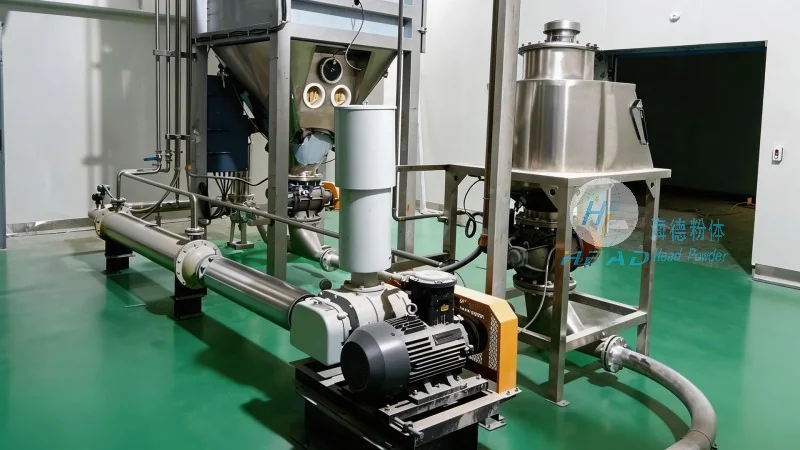
Advantages of Pneumatic Conveying for Lithium Oxalate
Pneumatic conveying offers several advantages over traditional material handling methods for lithium oxalate. One key benefit is the ability to transport the material in a closed system, which reduces dust exposure and environmental impact. This is particularly important for lithium oxalate, which is used in applications where product purity and safety are critical. The enclosed system also minimizes material loss and improves overall process efficiency.
Another advantage is the flexibility of pneumatic conveying systems. They can be easily integrated into existing production lines and adapted to changing production volumes. The system can handle varying material flow rates and can transport materials over long distances without significant loss of performance. Additionally, pneumatic conveying systems are relatively low maintenance compared to other equipment, as they have fewer moving parts and require less frequent servicing.
Conclusion
Lithium oxalate pneumatic conveying is a sophisticated material handling solution that leverages advanced design principles to efficiently transport fine powders like lithium oxalate. The system's effectiveness depends on careful consideration of air flow, pipeline design, and dust control, all of which are critical to ensuring optimal performance and safety. Companies like HeadPowder Engineering Co., Ltd. play a vital role in developing and implementing these systems, providing industries with reliable solutions that meet their specific material handling needs. By understanding the design principles and operational considerations of pneumatic conveying, businesses can enhance their production processes and ensure the safe and efficient handling of lithium oxalate.