

What is Fiber Material Pneumatic Conveying? What Are Its Design Principles?
Fiber material pneumatic conveying is a specialized method used to transport fibrous materials through a pipeline using air or gas as the conveying medium. This technology is widely employed in various industrial sectors, including food processing, pharmaceuticals, and chemical manufacturing, where the handling of delicate or abrasive fibrous materials requires efficient and gentle transport solutions. The core of this process involves creating a flow of air within a pipeline that lifts and transports the fibrous material particles, ensuring minimal damage and optimal material handling efficiency.
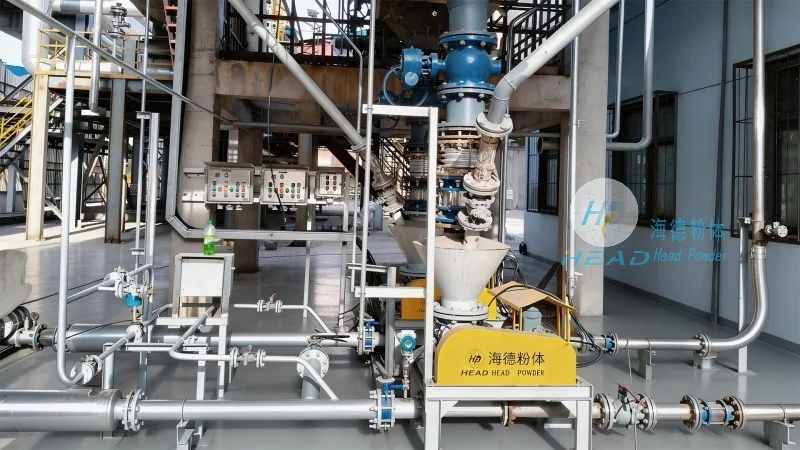
The design principles of fiber material pneumatic conveying systems are centered on several key factors that ensure reliable and effective operation. First, the selection of the appropriate conveying system type—such as pressure or vacuum systems—depends on the material characteristics, such as particle size, density, and moisture content. Pressure systems, which use compressed air to push the material through the pipeline, are often preferred for handling fibrous materials due to their ability to maintain consistent flow and prevent material degradation. Vacuum systems, on the other hand, use suction to draw material into the pipeline, which may be more suitable for applications where the material source is at a lower elevation or requires gentle handling.
Another critical design consideration is the air velocity within the pipeline. The air velocity must be sufficient to lift the fibrous particles but not so high as to cause excessive wear on the pipeline or damage to the material. This balance is achieved through careful calculation of the material's settling velocity and the required air velocity to maintain a stable suspension. The design also incorporates components like feeders, cyclones, and filters to ensure proper material introduction, separation, and cleaning of the conveying air. These components are essential for maintaining system efficiency and preventing material buildup or clogging in the pipeline.
HeadPowder's Expertise in Fiber Material Pneumatic Conveying Systems
Shandong HeadPowder Engineering Co., Ltd., commonly known as HeadPowder, is a leading provider of advanced pneumatic conveying solutions tailored to the unique challenges of handling fibrous materials. With a strong focus on engineering innovation and customer-centric design, HeadPowder has established itself as a trusted partner in the industry, delivering high-quality systems that meet the specific needs of clients across various sectors. The company's expertise lies in understanding the complex interactions between fibrous materials and conveying systems, enabling the development of customized solutions that optimize material transport while minimizing operational costs and maintenance requirements.
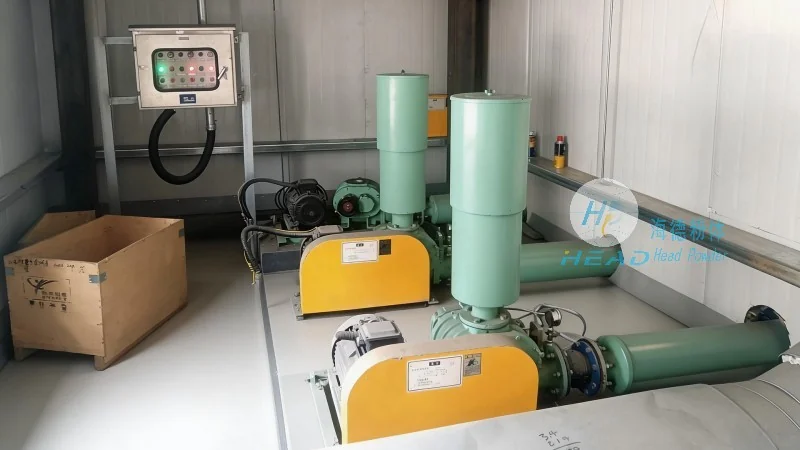
HeadPowder's team of experienced engineers and technicians works closely with clients to assess their material handling requirements, providing comprehensive consultations on system design, component selection, and installation. The company employs state-of-the-art design software and testing facilities to simulate and validate the performance of pneumatic conveying systems before deployment. This approach ensures that the final system meets or exceeds industry standards for efficiency, reliability, and durability. By leveraging advanced technologies and a deep understanding of material science, HeadPowder delivers solutions that enhance productivity and reduce downtime for its clients.
Key Design Features and Benefits of Fiber Material Pneumatic Conveying
The design of fiber material pneumatic conveying systems incorporates several key features that contribute to their effectiveness and longevity. One of the primary features is the use of flexible or abrasion-resistant pipeline materials, such as PTFE-coated hoses or stainless steel pipes, which are resistant to the abrasive nature of fibrous materials and prevent material buildup. Additionally, the system design includes proper venting and air filtration to remove dust and debris from the conveying air, ensuring a clean and safe working environment. The inclusion of automatic control systems allows for real-time monitoring of system performance, enabling operators to adjust parameters such as air pressure or flow rate as needed to maintain optimal operation.
The benefits of using fiber material pneumatic conveying systems extend beyond efficient material transport. These systems offer significant advantages in terms of space savings, as they eliminate the need for traditional bulk handling equipment like conveyors or elevators. This compact design is particularly beneficial in facilities with limited space or where material handling must be integrated into existing processes. Furthermore, pneumatic conveying systems provide a hygienic and clean environment for handling sensitive fibrous materials, such as those used in food or pharmaceutical applications, by minimizing direct contact with equipment and reducing the risk of contamination.
Application Examples and Case Studies
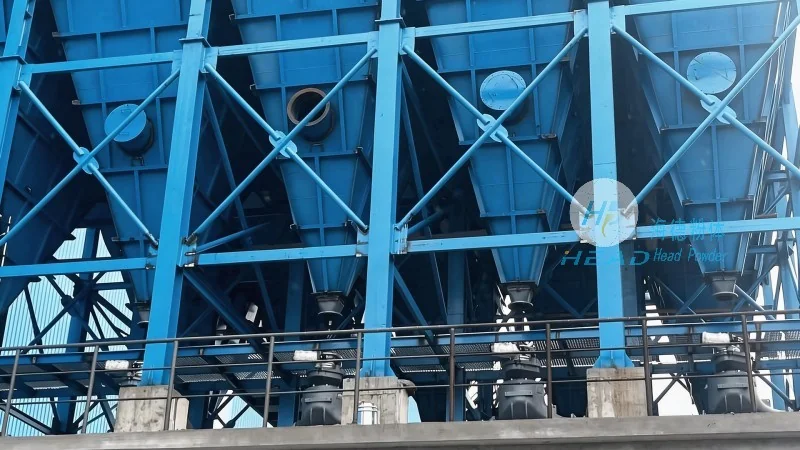
Fiber material pneumatic conveying systems are applied in a wide range of industries, with notable examples including the transportation of wood fibers for paper manufacturing, textile fibers for textile processing, and agricultural fibers for animal feed production. In each of these applications, the system's design is tailored to the specific characteristics of the fibrous material, ensuring efficient and damage-free transport. For instance, in the paper industry, pneumatic conveying is used to move wood chips from storage to the pulping process, where the gentle handling of the material is crucial to maintain its quality and prevent degradation. Similarly, in the textile industry, these systems are used to transport cotton or synthetic fibers from storage to spinning machines, where consistent material flow is essential for producing high-quality yarn.
HeadPowder has successfully implemented numerous fiber material pneumatic conveying projects worldwide, demonstrating the effectiveness of its customized solutions. These case studies highlight the company's ability to address complex material handling challenges and deliver systems that meet the specific requirements of clients. By working closely with clients and leveraging its expertise, HeadPowder has helped industries improve their operational efficiency, reduce costs, and enhance product quality through the use of advanced pneumatic conveying technology.
Conclusion and Future Trends
Fiber material pneumatic conveying is a sophisticated and essential technology for industries that handle fibrous materials, offering efficient, gentle, and reliable transport solutions. The design principles and components of these systems are carefully engineered to address the unique challenges of fibrous material handling, ensuring optimal performance and longevity. As industries continue to demand higher efficiency and better material handling solutions, the role of pneumatic conveying systems will likely expand, with ongoing advancements in materials science and control technology. HeadPowder, with its commitment to innovation and customer satisfaction, remains at the forefront of developing and implementing advanced fiber material pneumatic conveying systems that meet the evolving needs of the industry.