

What is Perlite Pneumatic Conveying? And What Are Its Design Principles?
Perlite pneumatic conveying is a specialized method used in material handling, particularly for the transport of perlite—a lightweight, volcanic glass material commonly utilized in insulation, horticulture, and other industrial applications. This technique involves using air or gas to move perlite particles through a pipeline system, offering advantages such as dust control, flexibility in layout, and the ability to handle materials in a closed environment. The design of a perlite pneumatic conveying system is critical to ensure efficient, reliable, and safe operation, as it directly impacts the system's performance and longevity.
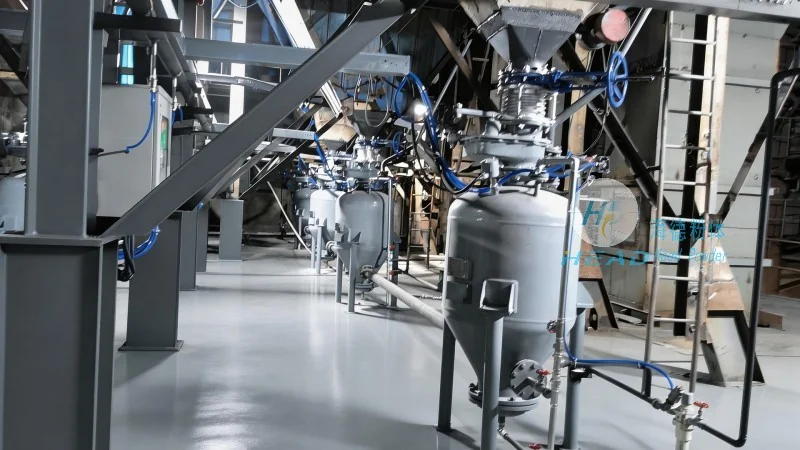
At Shandong HeadPowder Engineering Co., Ltd., we specialize in the design and implementation of such systems, leveraging our expertise to meet the unique needs of clients in various industries. Our approach to perlite pneumatic conveying design emphasizes both functionality and durability, ensuring that the system can handle the specific characteristics of perlite, including its low density and potential for dust generation.
Key Design Principles for Perlite Pneumatic Conveying Systems
The core of any successful perlite pneumatic conveying system lies in its design, which must address several critical factors to optimize performance. The first principle is the selection of the appropriate conveying method—typically, a dilute-phase system is preferred for perlite due to its low particle density and the need to minimize pressure drops and energy consumption. Dilute-phase conveying involves transporting particles in a dispersed state within the air stream, which is more efficient for lighter materials like perlite compared to dense-phase systems.
Another crucial design consideration is the pipeline layout and components. The system typically includes a hopper for material storage, a feeder to control the flow rate, a conveying line (often with bends and valves), and a receiver to collect the material at the destination. The design must account for the material's flow properties, such as its angle of repose and cohesive forces, to prevent blockages or uneven flow. For perlite, which can be prone to bridging or segregation, specialized feeders and hopper designs are often employed to ensure consistent material discharge.
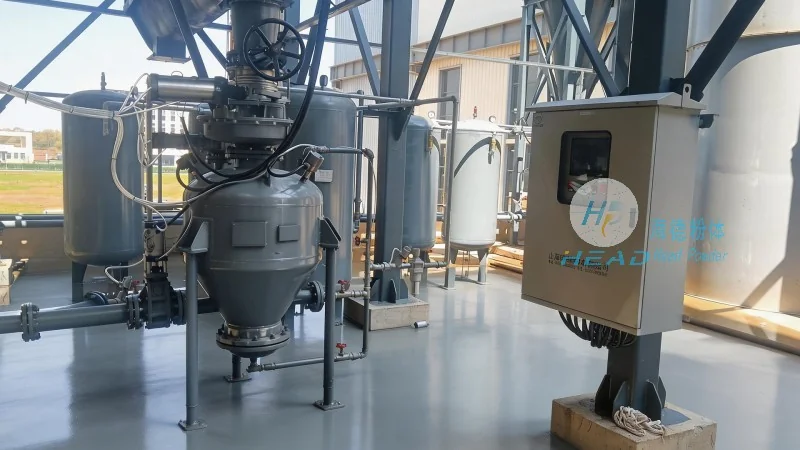
Pressure and velocity are also critical parameters in the design. The air velocity must be sufficient to keep the perlite particles suspended in the air stream but not so high as to cause excessive wear on the pipeline or increase energy costs. The system's pressure drop across the pipeline is another key factor, as it determines the required power input and the overall efficiency of the conveying process. Engineers at Shandong HeadPowder Engineering Co., Ltd. use advanced computational fluid dynamics (CFD) and empirical data to calculate optimal velocity and pressure levels for each specific application.
Material selection for the pipeline and components is equally important. Since perlite is a relatively soft material, it can cause abrasion on metal surfaces over time. Therefore, materials like stainless steel, polyethylene, or lined pipes are often used to protect the system from wear and corrosion. Additionally, the system must be designed to handle potential dust emissions, with appropriate filtration and dust collection equipment integrated into the design to comply with environmental regulations and maintain a safe working environment.
Advantages of Perlite Pneumatic Conveying Systems
Implementing a perlite pneumatic conveying system offers several advantages over traditional material handling methods. One of the most significant benefits is the ability to transport perlite in a closed system, which minimizes dust exposure and improves workplace safety. This is particularly important in industries where perlite is used in food or pharmaceutical applications, where contamination control is paramount. Additionally, the system's flexibility allows for easy integration into existing production lines, with the ability to change the conveying route or destination without major modifications.
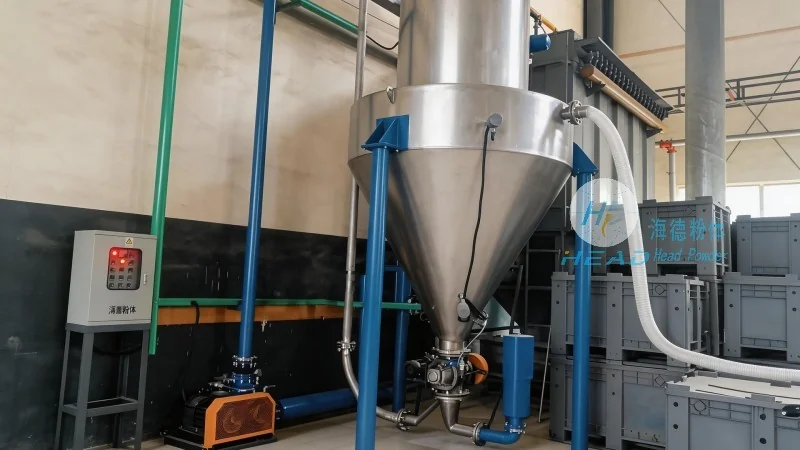
Energy efficiency is another key advantage. By using air as the conveying medium, the system can reduce the need for mechanical components like conveyors or elevators, which can be energy-intensive. The design of the system, including the selection of the right air velocity and pipeline diameter, can significantly impact energy consumption, making it a cost-effective solution for long-distance or high-volume perlite transport.
Reliability and maintenance are also enhanced with a well-designed pneumatic conveying system. Unlike mechanical systems that may experience wear and tear from moving parts, the air-driven system has fewer components that require regular maintenance. This leads to lower downtime and longer service intervals, ensuring consistent operation and reducing long-term operational costs.
Conclusion and Company Expertise
Perlite pneumatic conveying is a sophisticated solution for handling perlite, and its effectiveness depends heavily on the system's design. At Shandong HeadPowder Engineering Co., Ltd., our team of experienced engineers combines technical expertise with practical knowledge to design systems that meet the specific requirements of each project. By adhering to the key design principles outlined above, we ensure that our clients receive reliable, efficient, and cost-effective perlite conveying solutions that enhance their operational performance and safety standards.