

What is Coal Coke Particle Pneumatic Conveying? What Are the Design Principles?
Coal coke particle pneumatic conveying is a technology used to transport coal coke particles through a pipeline using air as the conveying medium. This method is widely adopted in industrial settings for its efficiency and ability to handle bulk materials without mechanical contact. The design principles of such systems are critical to ensure reliable operation, energy efficiency, and material integrity.
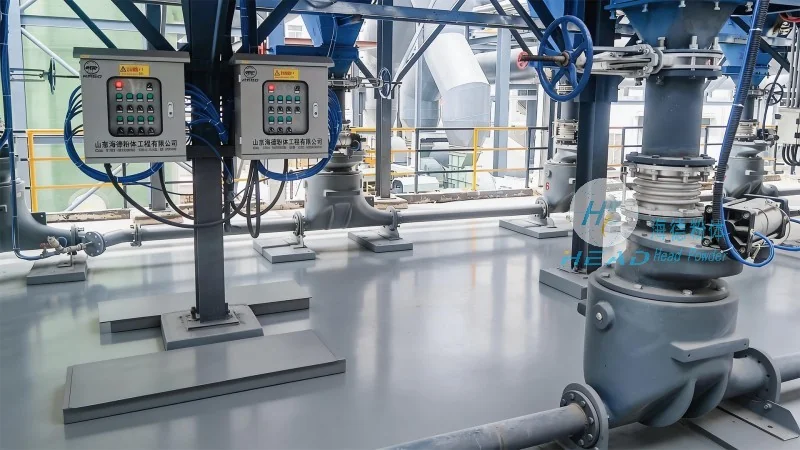
Understanding the Core Components of Pneumatic Conveying Systems
A typical coal coke particle pneumatic conveying system consists of several key components. The primary elements include a material feeder, a conveying pipeline, a gas source (usually a blower or compressor), a separation unit (like a cyclone or filter), and a discharge device. Each component plays a vital role in the overall operation. The material feeder ensures a consistent flow of coal coke particles into the system, while the gas source provides the necessary air pressure to move the particles through the pipeline. The separation unit is crucial for separating the conveyed material from the air stream, preventing dust and material loss.
Design Principles for Efficient Coal Coke Particle Conveying
The design of a coal coke particle pneumatic conveying system involves several critical principles. First, the selection of the conveying velocity is essential. The velocity must be high enough to prevent particle deposition but low enough to minimize wear on the pipeline and reduce energy consumption. Engineers typically use the "minimum conveying velocity" concept, which is the minimum air velocity required to keep particles suspended and moving through the pipeline. For coal coke particles, this velocity often ranges from 15 to 25 meters per second, depending on particle size, density, and shape.
Second, the system design must consider the particle characteristics. Coal coke particles vary in size, density, and moisture content, which affect the conveying behavior. Larger or denser particles may require higher air velocities or larger pipeline diameters to ensure smooth transport. Moisture content can also impact the system, as it may affect particle flow and increase the risk of clogging. Therefore, the design must account for these variations to maintain system performance.
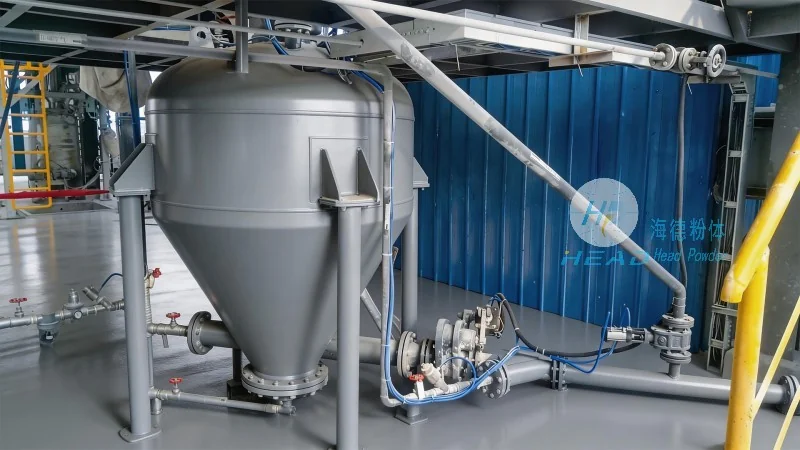
HeadPowder's Expertise in Coal Coke Pneumatic Conveying Solutions
Shandong HeadPowder Engineering Co., Ltd., commonly known as HeadPowder, is a leading provider of pneumatic conveying solutions for industrial applications. With years of experience in the field, HeadPowder specializes in designing and manufacturing systems tailored to the unique needs of coal coke handling. The company's engineers leverage advanced engineering principles and industry best practices to develop customized solutions that optimize material transport efficiency and reliability.
HeadPowder's approach to system design emphasizes energy efficiency and durability. By carefully selecting components and optimizing system parameters, the company ensures that its pneumatic conveying systems operate at peak performance while minimizing operational costs. The company's expertise extends to the entire process, from initial system design and installation to ongoing maintenance and support. This comprehensive service model helps clients achieve long-term operational success and maximize the return on their investment.
Key Considerations in System Integration and Maintenance
Integrating a coal coke particle pneumatic conveying system into an existing industrial setup requires careful planning. The system must be compatible with the existing infrastructure, including pipeline networks, material handling equipment, and air supply systems. HeadPowder's engineers work closely with clients to assess their specific requirements and develop a seamless integration plan. This includes evaluating the existing layout, identifying potential bottlenecks, and recommending modifications to ensure smooth operation.
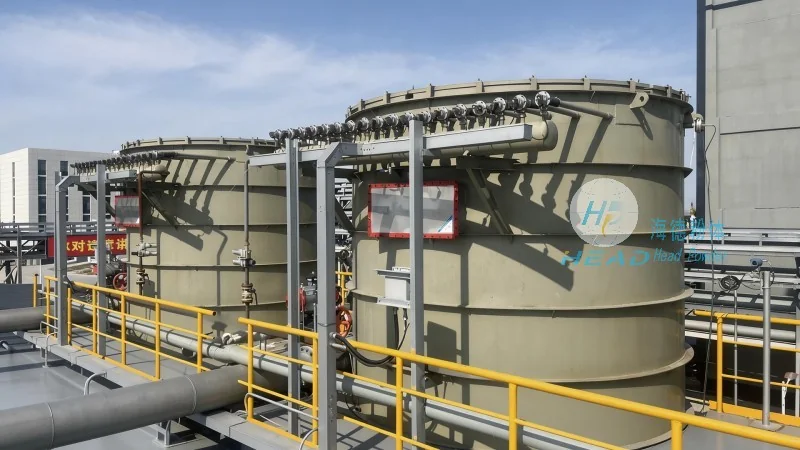
Maintenance is another critical aspect of system performance. Regular maintenance is essential to prevent system failures and ensure consistent material transport. HeadPowder provides comprehensive maintenance services, including routine inspections, component replacement, and troubleshooting. By maintaining the system in optimal condition, clients can extend the lifespan of their equipment and avoid costly downtime.
Conclusion: The Advantages of Coal Coke Particle Pneumatic Conveying
Coal coke particle pneumatic conveying offers significant advantages over traditional mechanical conveying methods. It eliminates the need for moving parts in contact with the material, reducing wear and maintenance costs. The system also provides better material containment, minimizing dust and environmental impact. Additionally, pneumatic conveying can handle a wide range of particle sizes and shapes, making it suitable for various industrial applications.
With its expertise in system design and engineering, Shandong HeadPowder Engineering Co., Ltd. provides reliable and efficient solutions for coal coke particle pneumatic conveying. By adhering to sound design principles and leveraging advanced technology, HeadPowder helps clients achieve optimal material transport performance, ensuring long-term operational success and cost savings.