

High-Temperature Fine Powder Pneumatic Conveying: What It Is and Its Design Principles
High-temperature fine powder pneumatic conveying is a specialized technology used to transport fine powders at elevated temperatures. This method is crucial in industries such as chemical processing, pharmaceuticals, and food production, where materials like cement, coal ash, or metal powders are handled under high-temperature conditions. The design of such systems requires careful consideration of thermal dynamics, material properties, and operational efficiency to ensure safe and effective material transport. Shandong HeadPowder Engineering Co., Ltd., a leading provider of engineering solutions in this field, specializes in designing and implementing high-temperature pneumatic conveying systems tailored to the unique needs of various industries.
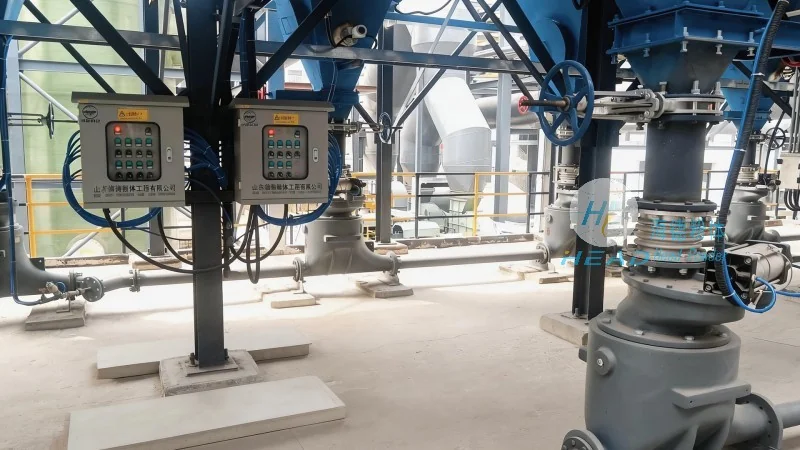
Understanding High-Temperature Fine Powder Pneumatic Conveying
At its core, high-temperature fine powder pneumatic conveying involves the use of air or other gases to move fine particulate materials through a pipeline system. Unlike traditional bulk material handling methods, this technique relies on the kinetic energy of the gas stream to entrain and transport the powder. The process is particularly relevant when dealing with materials that are sensitive to temperature changes or require precise temperature control during transport.
Key Components of a High-Temperature Pneumatic Conveying System
A typical high-temperature fine powder pneumatic conveying system consists of several critical components, each designed to handle the unique challenges of transporting hot powders. The main components include a high-temperature air compressor or blower, a hopper or feeder to introduce the powder into the system, a pipeline network that transports the material, and a receiver or discharge unit where the material is collected. Additionally, the system may incorporate temperature control mechanisms, such as heat exchangers or insulation, to maintain the desired temperature of the powder and the conveying air.
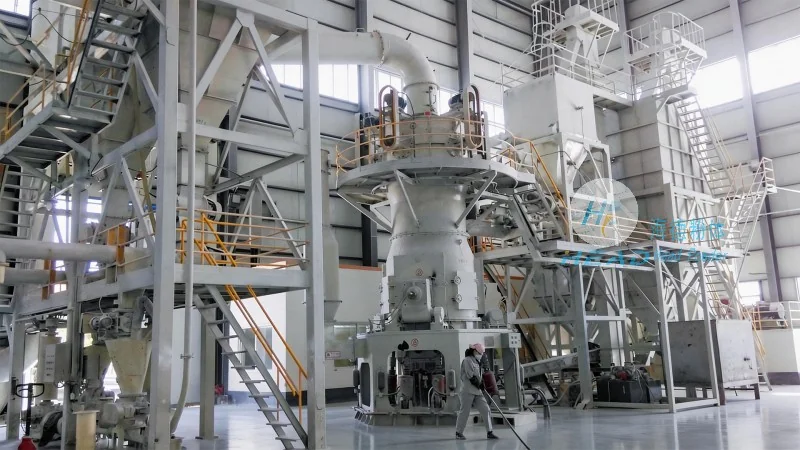
Design Principles for High-Temperature Pneumatic Conveying
The design of a high-temperature fine powder pneumatic conveying system is governed by several key principles aimed at optimizing performance, safety, and durability. One of the primary considerations is the selection of appropriate materials for the system components. Since the system operates at elevated temperatures, components such as pipelines, valves, and hoppers must be made from heat-resistant materials like stainless steel or special alloys to prevent degradation or failure. Another critical design principle is the calculation of the air velocity and pressure required to effectively convey the powder. This involves determining the material's bulk density, particle size distribution, and flow characteristics to ensure that the gas stream can adequately entrain and transport the particles without causing excessive wear or blockages.
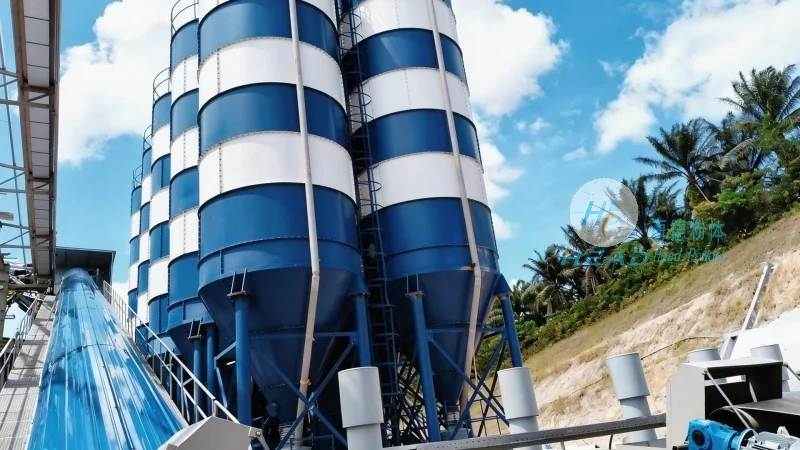
Thermal Management in High-Temperature Conveying Systems
Thermal management is a critical aspect of high-temperature fine powder pneumatic conveying, as maintaining the correct temperature of both the powder and the conveying air is essential for process efficiency and material integrity. The system may incorporate heat exchangers to preheat the conveying air before it enters the pipeline, ensuring that the powder remains at a stable temperature throughout the transport process. Additionally, insulation is often applied to the pipeline and other components to minimize heat loss and prevent external temperature fluctuations from affecting the system's performance. Proper thermal management also helps in reducing energy consumption by optimizing the temperature of the air used for conveying, thereby improving the overall efficiency of the process.
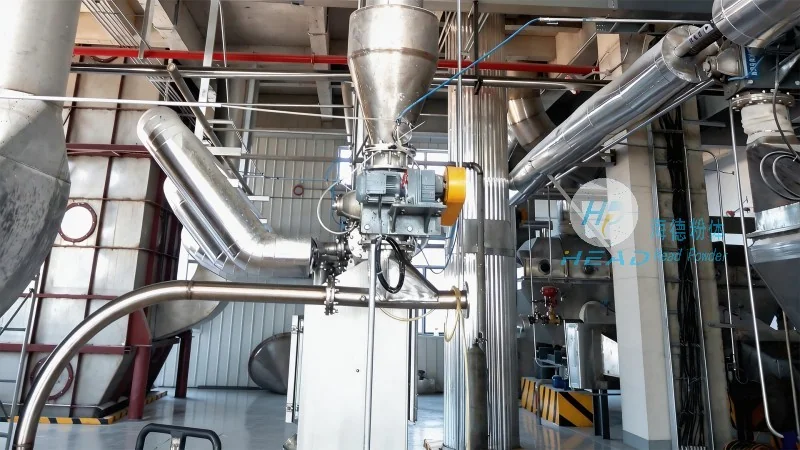
Material Handling Challenges and Solutions
Handling high-temperature fine powders presents several challenges that must be addressed in the design of the conveying system. One of the main challenges is the potential for material degradation due to prolonged exposure to high temperatures. To mitigate this, the system may include cooling sections or temperature-controlled zones where the powder is temporarily stored or processed. Another challenge is the risk of caking or agglomeration of the powder, which can lead to blockages in the pipeline. This can be prevented by maintaining the correct air velocity and temperature, as well as by incorporating vibration or agitation devices in the system to keep the powder in a free-flowing state. Additionally, the system may include filters or cyclones to separate any fine particles from the conveying air, ensuring that the material is delivered to the receiver in a clean and consistent manner.
Applications and Industries
High-temperature fine powder pneumatic conveying is widely used in various industries where the transport of hot powders is essential. In the chemical industry, it is used to convey materials such as cement, coal ash, and metal powders from processing units to storage or further processing facilities. In the pharmaceutical industry, it is employed to transport active pharmaceutical ingredients (APIs) and other fine powders with strict temperature and purity requirements. The food industry also utilizes this technology to handle ingredients like sugar, flour, and spices that need to be transported at controlled temperatures to maintain their quality and freshness. The versatility of high-temperature pneumatic conveying makes it a preferred choice in these and other sectors where traditional bulk handling methods are not suitable.